Last updated November 18, 2026


Free written scope consultation - allowances, timeline, and change-order rules on paper before a single trade is scheduled
DIY vs Professional Construction: The Henderson Homeowner’s Decision Guide
Nevada lets you pull your own permits as an owner-builder. That’s the part most homeowners hear. The part they don’t hear: if you sell your home within one year of completing owner-builder work, state law requires you to disclose it, and plenty of buyers and lenders read that disclosure as a defect flag no matter how clean the work looks. In Henderson, where block-and-stucco construction and hard desert sun punish shortcuts, that disclosure can cost more than hiring the job out. This guide covers what owner-builder law actually requires, which desert-specific projects fail most often in amateur hands, the real cost comparison including permits and waste, and where skilled DIY still makes sense.
Quick Answer
In Henderson, DIY makes sense for cosmetic work – painting, cabinet hardware, minor tile repair – and rarely makes sense for anything that touches structure, electrical, plumbing, or HVAC. The deciding factors aren’t skill. They’re legal exposure under Nevada owner-builder law, desert-specific technical requirements, and the insurance gaps that appear when unpermitted work causes damage. For structural, mechanical, and exterior envelope work, professional execution is usually the only defensible choice.
Styles & brands we work with
- Kitchen remodeling
- Bathroom remodeling
- Home additions & ADU
- Roofing
- Windows & doors
- Driveway & pavers
- Fence
Table of Contents
- What Nevada Owner-Builder Law Actually Says
- Desert-Specific Projects Where DIY Fails Most Often
- The Real Cost of DIY vs Hiring in Henderson
- The Insurance Gap Nobody Talks About
- The Decision Matrix: What’s DIY-Safe, What Isn’t
- Permit Fees, Inspections, and What They Protect
- Common Mistakes to Avoid
- When to Call a Professional
What Nevada Owner-Builder Law Actually Says
Nevada allows a homeowner to act as their own contractor on a home they own and occupy. That’s the legal right. What gets lost in the shorthand is the liability that comes attached. When you pull an owner-builder permit in Henderson, you become the responsible party for everything performed under that permit, including work you hire subcontractors to do. If the framing passes inspection but the stucco begins failing two summers later, that’s on you. If a plumbing rough-in under your permit leaks into the slab, that’s on you too.
What you can legally build yourself
Owner-builder permits are generally available for improvements to your primary residence. Common examples in Henderson include room additions, patio covers, interior remodels, and pool construction. Trade work performed by unlicensed helpers under your permit is where owners get into real trouble. Nevada requires licensed contractors for most trades; if a tradesman is unlicensed and works under your permit, the homeowner assumes the liability that would normally fall on the contractor.
The one-year resale disclosure trigger
If you sell your home within one year of completing owner-builder work, Nevada law requires that disclosure to the buyer. That detail is what trips up most Henderson homeowners. Buyers, and by extension their lenders, tend to read “owner-builder work completed within the last year” as an unknown risk. Appraisers sometimes flag it. Some lenders ask for additional documentation before clearing a loan. Even well-built work can complicate a sale, and the buyer’s negotiating leverage grows when they see it.
The liability you assume
Owner-builder permits put you in the contractor’s chair for legal purposes. If a future buyer discovers a defect tied to work you permitted, you carry that exposure. There’s no workmanship warranty from a licensed entity behind the work, no bond, and no state licensing board to file against. In our experience, most Henderson homeowners who pull an owner-builder permit never stop to consider what happens if the work fails two or three years down the line.
Desert-Specific Projects Where DIY Fails Most Often
Henderson sits at the edge of the Mojave, and the construction details that work in mild climates fail here. Three project types trip up do-it-yourselfers in our market more than any others: stucco patching over block, large-format tile, and exterior caulk selection. Each one has specific technical requirements that YouTube tutorials routinely skip.
Stucco patching over block
Good stucco patching isn’t a matter of slapping mud on a hole. Over concrete block, the stucco needs the right bonding agent for the substrate, the correct scratch-and-brown coat sequence, and cure conditions that don’t bake the material dry. Henderson’s low humidity and direct sun in summer can dry fresh stucco too fast, causing hairline cracking within months. Patch jobs that skip the bonding agent or the scratch coat fail at the seam within one or two seasons. The failure shows up as a visible crack line and eventually water intrusion into the block.
Large-format tile
Large-format tile – anything over 15 inches typically – requires movement joints at specific intervals. Skip them, and the tile cracks. The break usually shows up within one summer of a Henderson install, because the temperature swing across the slab during a 110-degree day causes enough expansion to stress the tile field. The substrate also matters: most Henderson homes sit on slab, and slab cracks will telegraph through the tile field unless the installer uses the right uncoupling membrane. That membrane is invisible once the tile is down, so a failed install often looks fine at the six-month mark.
Exterior caulk selection
Not all exterior caulk survives sustained UV load. Many consumer-grade products that perform fine in cooler parts of the country dry, crack, and detach from stucco and block within a year or two in Henderson. The right product is a high-performance elastomeric or polyurethane caulk rated for UV exposure and designed to stay flexible across extreme temperature swings. Homeowners who grab the cheapest tube from a big-box store usually get a re-caulk call within 18 months, and each cycle lets water in behind the stucco.
The Real Cost of DIY vs Hiring in Henderson
The DIY math looks simple until you tally the hidden items. Permits, tool rental, material waste, the value of contractor supplier pricing, and your own time all shift the comparison. In most Henderson projects the gap between DIY and professional cost is narrower than homeowners expect – sometimes only 20 to 30 percent.
What gets left out of the DIY estimate
- Permit fees and inspection costs – typically $200 to $800 for a Henderson residential project depending on scope, added on top of the DIY material cost.
- Tool rental – a wet saw, tile snips, scaffolding, and demolition tools can run $250 to $700 for a project of any real scope.
- Material waste – DIY waste rates run 15 to 25 percent on tile, stucco, and trim, compared to roughly 5 to 10 percent with a professional because of more accurate takeoffs and better material handling.
- The supplier discount gap – contractors buy at trade pricing that runs 10 to 25 percent below retail on cabinetry, surfaces, fixtures, and roofing materials. That’s a real number a homeowner won’t see at a big-box store.
- Your own hours – a Henderson bathroom remodel is roughly 150 to 250 hours of work. Weigh that against what an additional weekend of your time is worth.
A real-world comparison
Take a Henderson hall bath. DIY tile replacement and fixture swap, materials at retail, plus permits and tool rental, generally lands around $3,800 to $5,500 with the homeowner’s labor counted as zero. A professional bathroom remodel in Henderson that touches tile, fixtures, and vanity typically runs $9,000 to $16,000. The visible price gap is real, but the professional install comes with a warranty, inspections, and no resale disclosure issue. The gap narrows considerably once you price the DIY hours at anything realistic.
The Insurance Gap Nobody Talks About
Here’s the scenario most Henderson homeowners don’t think about until it happens. Water damage spreads from a shower you tiled yourself two years ago. You file a claim with your homeowner’s policy. The adjuster investigates and finds the work was owner-performed and never permitted, or permitted but never inspected properly. That’s when things get uncomfortable.
Most homeowner policies cover sudden and accidental damage. But if the underlying cause traces to unpermitted or substandard work, the carrier can deny the claim or limit coverage. Some policies exclude damage caused by faulty workmanship outright. The homeowner is left holding the cost of repairs, and if the water spread into adjacent rooms, the total can run into the tens of thousands.
Permitted, inspected work from a licensed contractor changes the picture. The work has a paper trail. The inspections are recorded. The workmanship warranty sits with the contractor, and the contractor’s liability insurance is in place if something goes wrong. Mason Remodeling’s written guarantee covers every completed project for 365 days from the completion date, and if a repair or installation fails in that window, a second visit happens at no charge. That’s the kind of coverage that keeps a homeowner out of the insurance gap.
The Decision Matrix: What’s DIY-Safe, What Isn’t
Not every project needs a contractor. Skilled Henderson homeowners handle plenty of work themselves, and that’s fine. The line to hold is clear: tasks that don’t touch structure, mechanical systems, or the exterior envelope are usually safe. Tasks that do are not.
Where skilled DIY is reasonable
- Interior painting and trim work
- Cabinet hardware swaps (knobs, pulls, soft-close hinges)
- Minor tile repair on a single cracked floor or wall tile
- Caulking interior seams – kitchen backsplash, tub edge
- Landscaping and desert plant installation (non-structural)
- Replacing vanity tops or light fixtures that swap 1-to-1 with existing wiring
- Closet shelving, hanging systems, and similar non-structural installs
Where professional execution is the only defensible choice
- Any structural work – load-bearing walls, framing, room additions
- Electrical panel work, new circuits, or anything beyond a fixture swap
- Plumbing rough-in, water heater replacement, gas line work
- HVAC replacement, duct changes, or refrigerant work
- Roofing, stucco repair over block, or any exterior envelope work
- Shower pans, waterproofing, and wet-area tile
- Permit-required projects of any kind
For more on how a licensed contractor handles the covered end of this list, see General Contractor in Henderson.
Permit Fees, Inspections, and What They Protect
A permit isn’t bureaucracy. It’s the record that the work exists and that an inspector verified it. In Henderson, the permit and inspection trail matters in three ways: it protects you against the resale disclosure problem, it keeps your insurance claim on solid ground, and it makes the work verifiable when a buyer or appraiser asks.
Step-by-step: how permitted work actually runs
- Scope and drawings. The project gets defined in writing, including the materials and the sequence. A written price is attached before any work begins.
- Permit application. The permit is filed with the city. Fees are paid. Depending on scope, plan review takes 1 to 4 weeks.
- Rough-in inspections. Framing, electrical, plumbing, and mechanical rough-ins are inspected before walls close.
- Insulation and drywall sign-off. A separate inspection stage confirms the cavity work is complete.
- Final inspection. The finished work is inspected and the permit is closed.
Every step is documented. That documentation is what carries through a sale, an insurance claim, or a future remodel. It’s also why we deliver a written price before any work starts – not as an upgrade but as standard practice on every project.
Common Mistakes to Avoid
- Pulling an owner-builder permit to save money, then selling within a year. The disclosure requirement trips up the sale, and buyers negotiate harder when they see it. The math almost never works in the homeowner’s favor.
- Skipping the permit because “it’s just cosmetic.” Henderson inspectors don’t agree that a shower valve swap or a new circuit is cosmetic. Unpermitted work surfaces in a sale disclosure and in insurance claims.
- Buying cheap exterior caulk for stucco seams. Consumer-grade caulk fails under Henderson’s UV load within a year or two, and each failure lets water behind the stucco. Pay for a UV-rated elastomeric or polyurethane product.
- Installing large-format tile without movement joints. The tile may look fine for six months. It usually cracks the first summer as the slab expands. The repair cost is the full install again.
- Assuming contractor pricing is retail. Trade pricing on cabinetry, surfaces, and roofing runs well below retail. A homeowner paying retail for the same KraftMaid or Wellborn cabinet is paying 10 to 25 percent more for the same product.
- Reusing old material to save a trip to the store. Repurposing drywall, underlayment, or fasteners from an old project often fails code and fails inspection. Cost of the call-back exceeds the material savings.
- Hiring the lowest bid without checking the guarantee in writing. A quote without a written workmanship guarantee and a stated coverage period is a hope, not a contract. Ask what’s covered, what’s excluded, and for how long.
When to Call a Professional
Call a professional in Henderson when the project touches structure, electrical, plumbing, HVAC, roofing, stucco over block, wet-area tile, or anything that needs a permit. Also call when you’re selling within a year, when your homeowner’s insurance carrier has questions, or when the work needs to be verifiable for a lender. And call when a “small” repair starts revealing something bigger underneath – water damage behind a wall, a soft subfloor, cracked block. Those situations escalate fast, and the cost of a proper diagnosis is far less than the cost of a guess. Mason Remodeling Co Henderson offers free estimates in Henderson – call (888) 325-9386 to schedule yours. Every project starts with a written price, and the crew that shows up is verified by name and photo before the visit.
See the difference
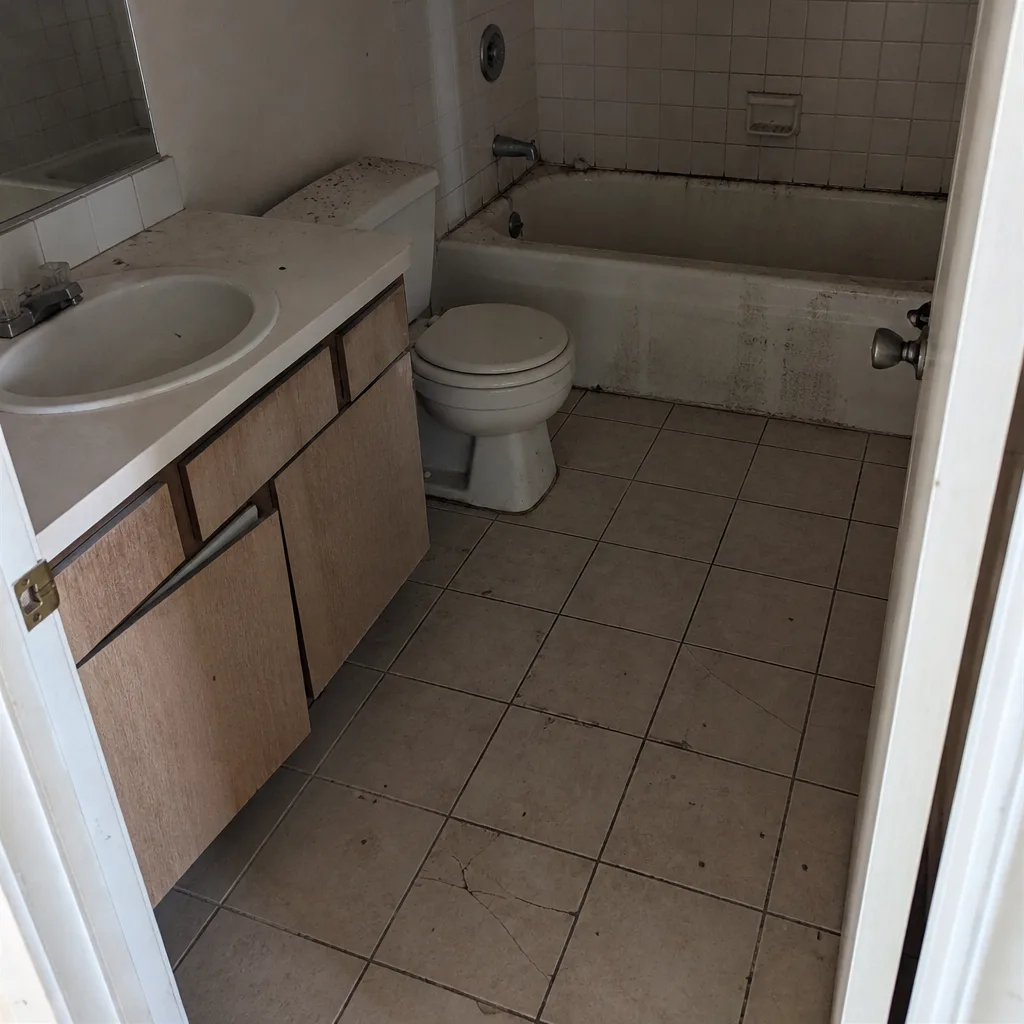 Before
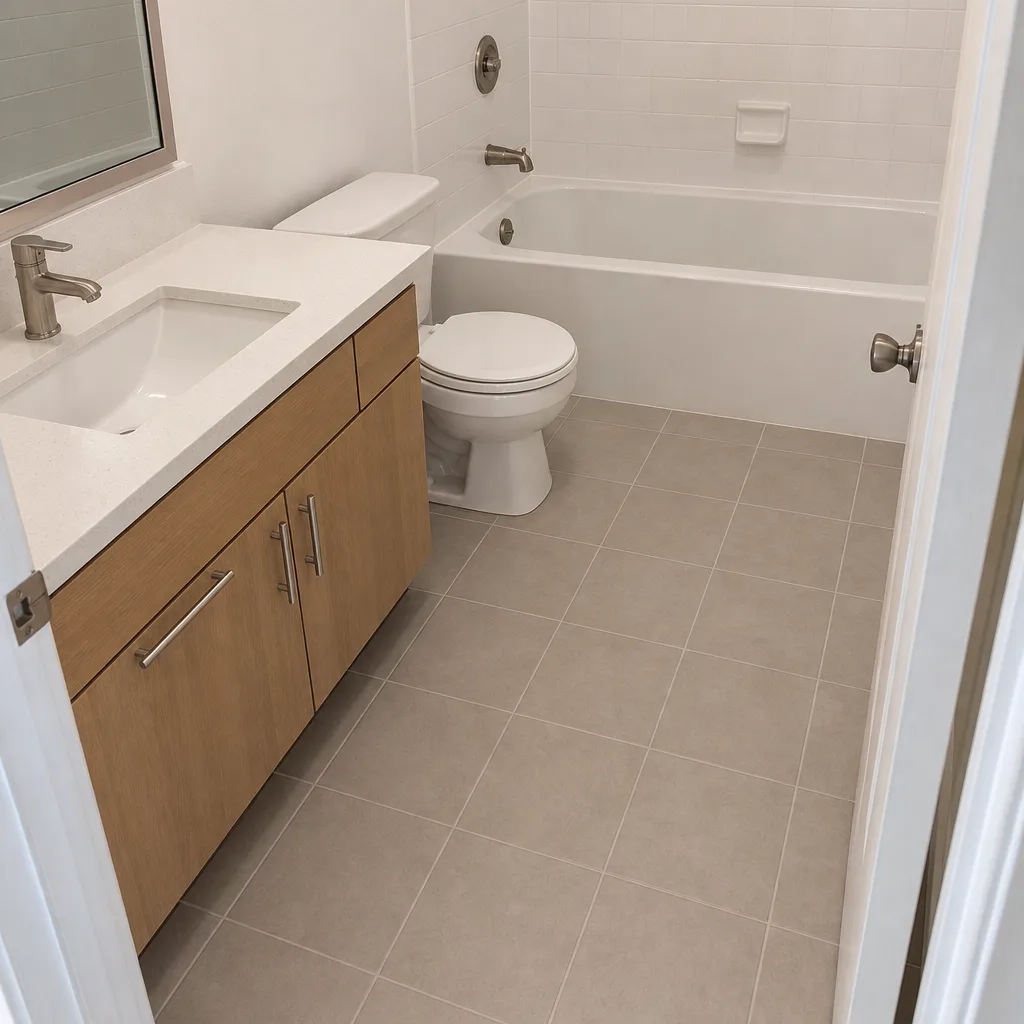 After
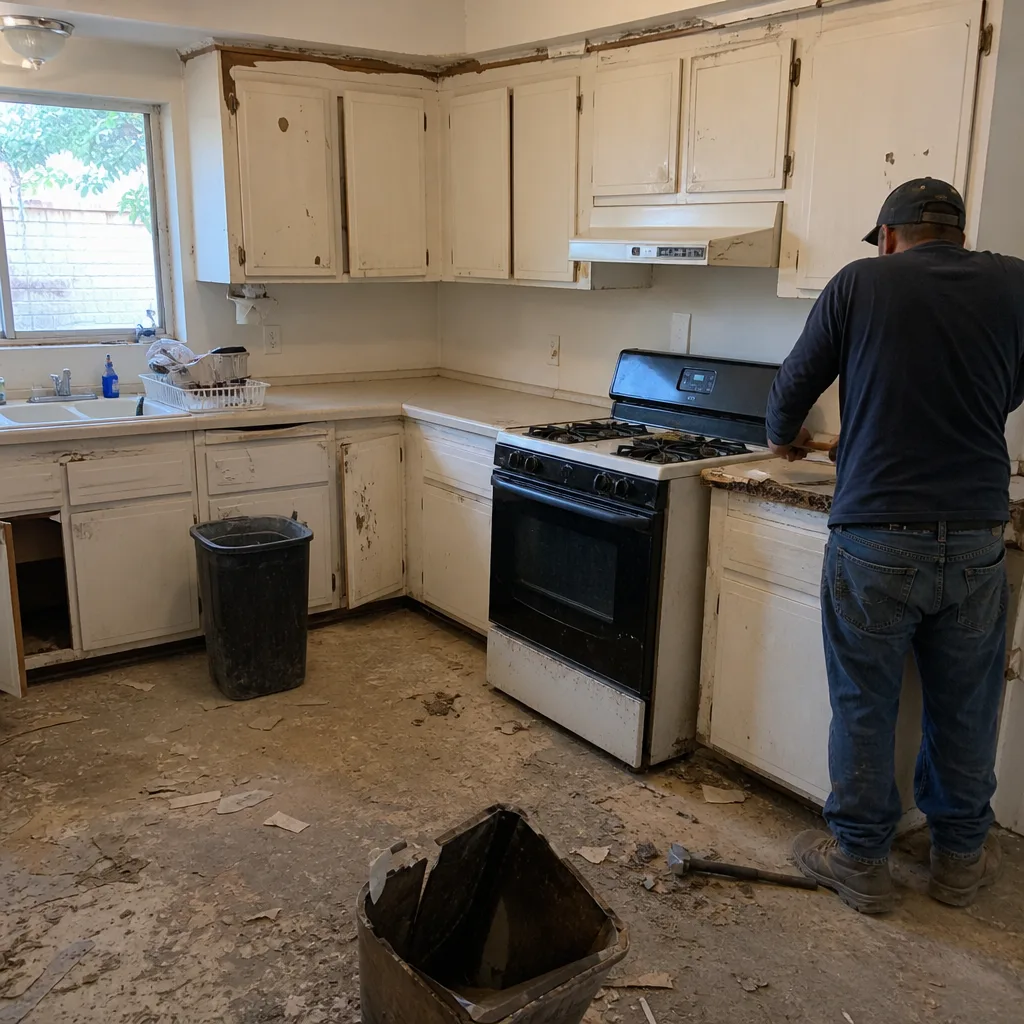 Before
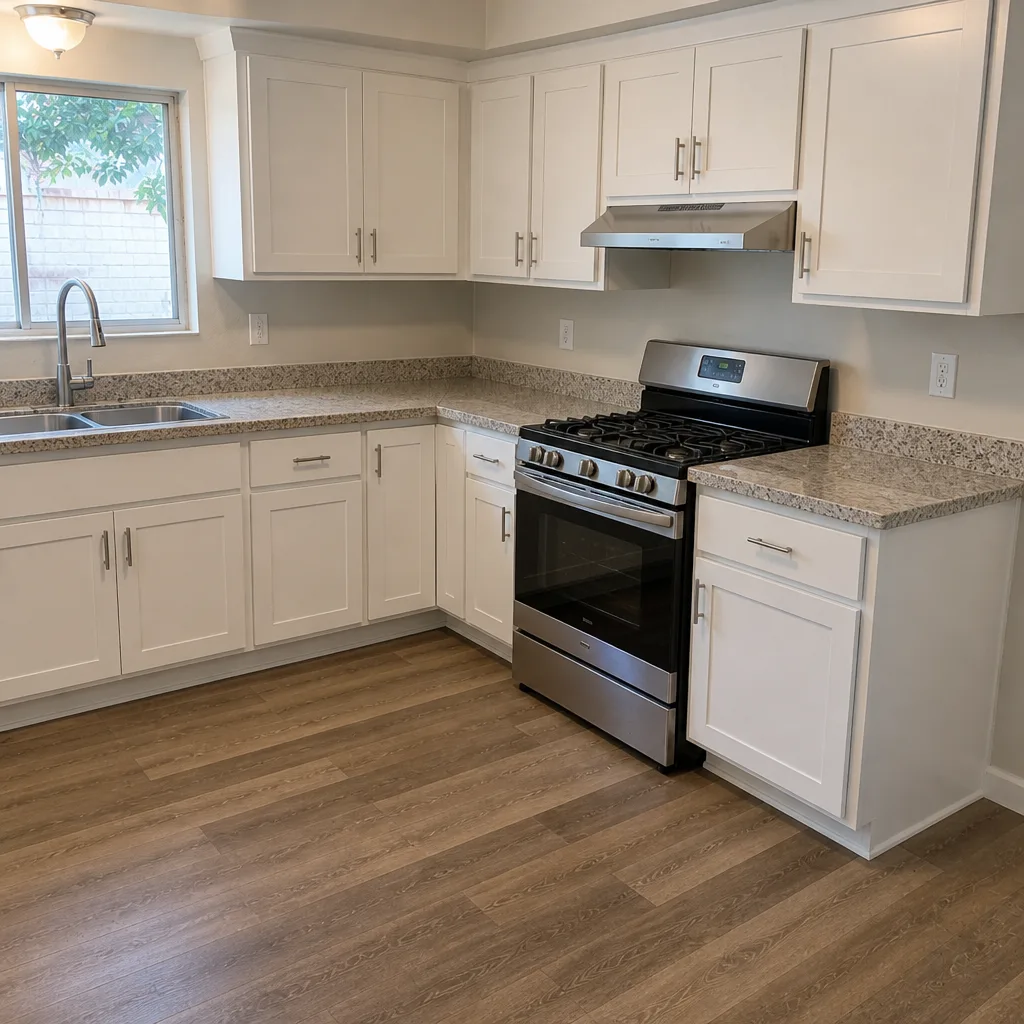 After
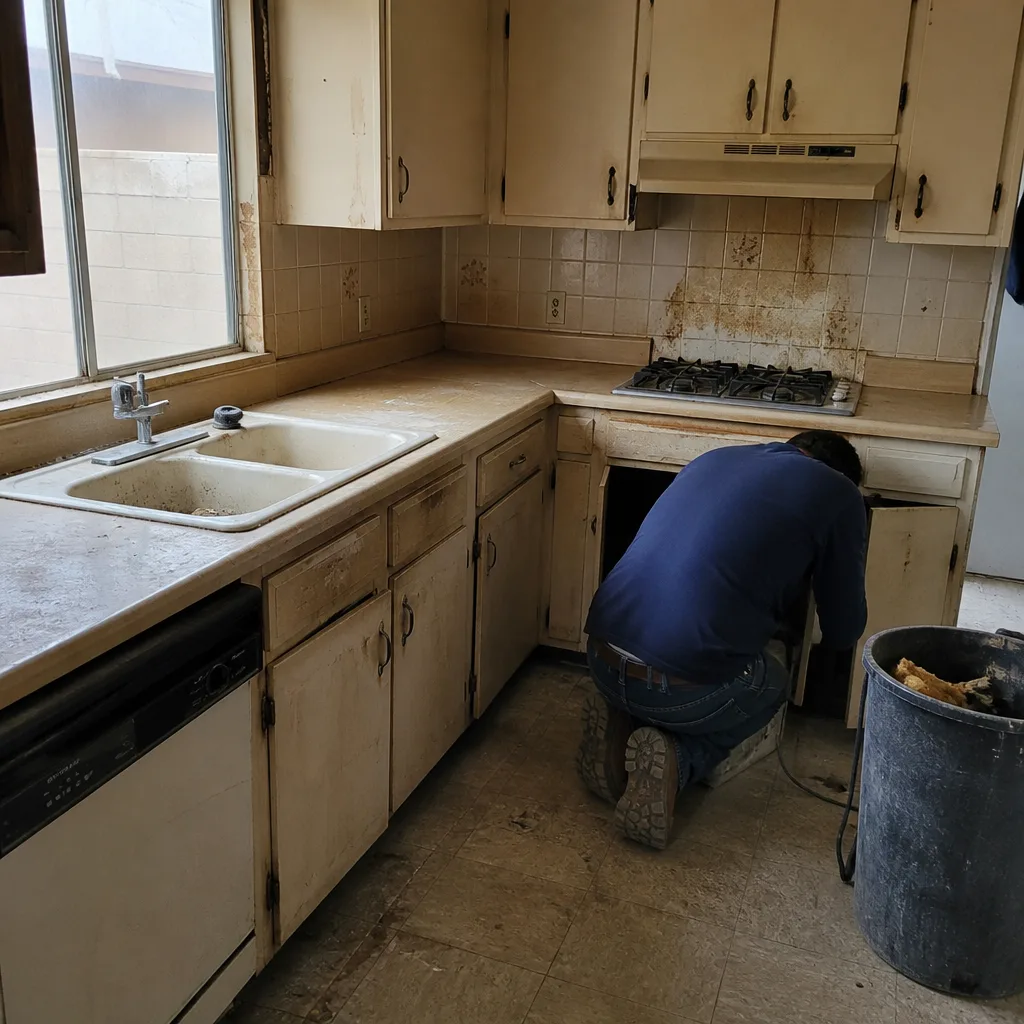 Before
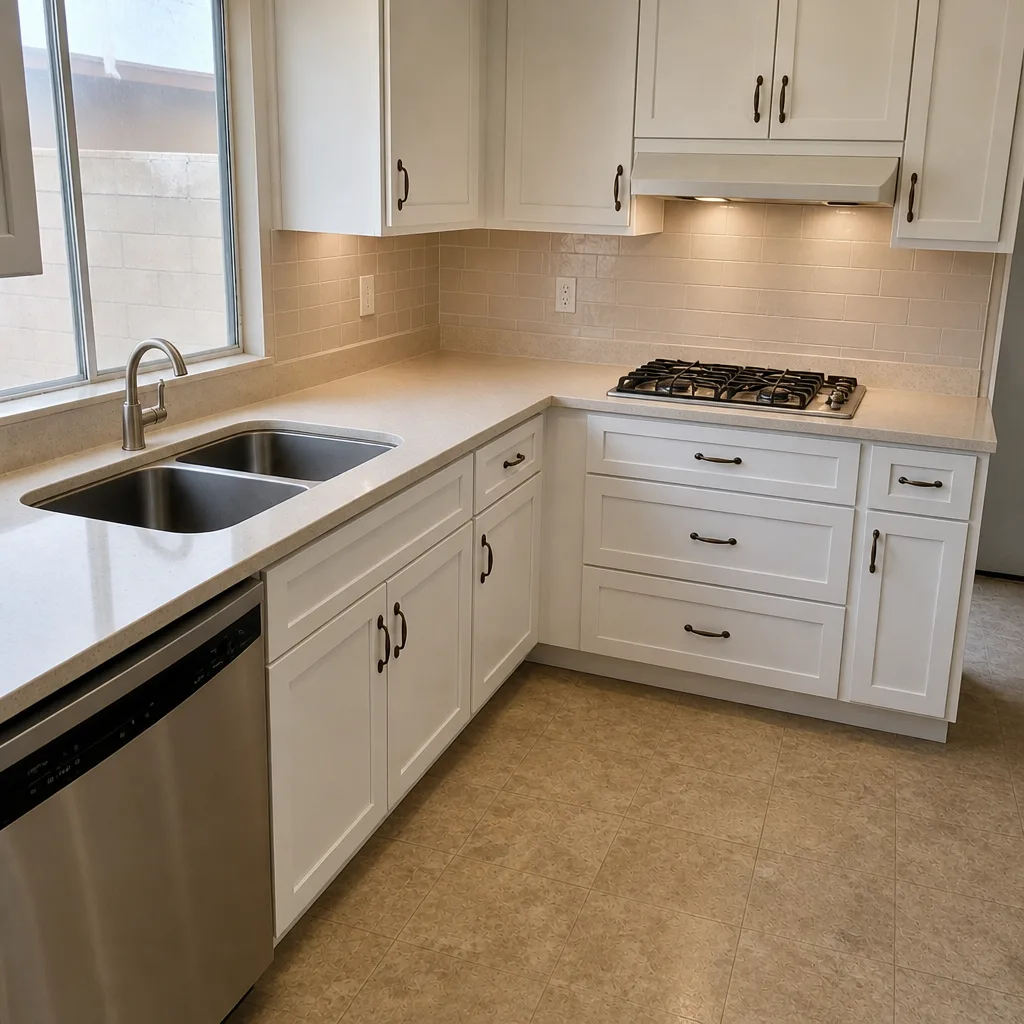 After
Frequently Asked Questions
Yes. Nevada allows owner-builder permits for improvements to a primary residence you own and occupy. The catch is the liability: when you pull the permit, you become the responsible party for every trade performed under it, including work done by unlicensed helpers. If you sell within one year of completion, Nevada law requires you to disclose the owner-builder work to the buyer. Call (888) 325-9386 for a free estimate if you’re weighing whether to permit a project yourself or hire out.
A DIY tile replacement in a Henderson hall bath typically runs $3,800 to $5,500 in materials, permits, and tool rental, before any labor value on your own time. A professional bathroom remodel touching the same scope typically runs $9,000 to $16,000, with a warranty and inspections included. For an exact quote on your project, call (888) 325-9386 – estimates are free.
Often not. Most homeowner policies cover sudden damage but exclude or limit claims tied to unpermitted or faulty workmanship. If a leak traces back to owner-performed tile or plumbing without a permit, the carrier can deny the claim, leaving the homeowner with the full repair cost. Permitted, inspected work with a written workmanship guarantee keeps the claim on solid footing. Call (888) 325-9386 to talk through a specific situation.
Movement joints. Large-format tile needs them at specific intervals, and amateur installs frequently skip them. Henderson’s slab temperature swing across a 110-degree summer day causes enough expansion to stress the tile field, and without movement joints, the tile cracks. The fix is a full reinstall, not a spot repair. Call (888) 325-9386 for a free estimate on doing it right the first time.
Less than most homeowners assume. Permit fees, tool rental, material waste rates of 15 to 25 percent, and retail material pricing versus trade pricing close most of the gap. On a mid-size project, the real DIY savings often land at 20 to 30 percent, before accounting for your time. A written price takes ten minutes to get – call (888) 325-9386 to see the actual number for your project.
No, when the price is delivered in writing before any work begins. Mason Remodeling provides a written price on every project as standard practice, not as an upgrade, and no surprise invoices show up on the final bill. If you’re comparing quotes on a Henderson kitchen or bath, ask each contractor whether the price is written and fixed. To schedule a free estimate, call (888) 325-9386.
The Bottom Line
The DIY-versus-hire decision in Henderson isn’t really about skill. It’s about legal exposure, desert-specific technical requirements, and the cost of getting them wrong two summers later. Owner-builder permits come with a one-year resale disclosure and full liability for every trade under the permit. Stucco over block, large-format tile, and exterior caulk fail in amateur hands more often here than in milder climates, and the insurance gap means damage from unpermitted work can fall entirely on the homeowner. Skilled DIY makes sense for painting, hardware, and minor repairs. Structural, electrical, plumbing, and envelope work doesn’t. If you want a written price and a crew verified by name and photo before they reach your door, we’re glad to talk. To go deeper on a specific project type, see our Mason Remodeling Co Henderson home page, our Kitchen Remodeling in Henderson page, or our Bathroom Remodeling in Henderson page for the scope and pricing on common Henderson builds.
Ready to put a real number on the project? Call Mason Remodeling Co Henderson at (888) 325-9386 to schedule your free estimate. A live person answers around the clock, every day, including weekends and holidays, and every project gets a written price before any work begins.
Written by the team at Mason Remodeling Co Henderson.