Last updated November 18, 2026


Free written scope consultation - allowances, timeline, and change-order rules on paper before a single trade is scheduled
DIY vs Professional Home Remodeling: What’s Safe to Do Yourself
Here’s a detail most remodeling guides skip: Nevada home inspectors are required to flag unpermitted work, and that flag lands in a report a buyer’s lender will read. The tile backsplash you installed yourself can legally delay or kill a home sale years later, long after you’ve forgotten which weekend you did it. In Henderson, where resale values hinge on clean disclosure and a fast close, that risk is real and it’s measurable. This guide draws a hard line between what’s genuinely safe to self-perform and what unpermitted DIY will cost you at closing. We’ll cover the Nevada license statute, the Henderson permit threshold, and why finishing over amateur rough-in is the most expensive mistake we see.
Quick Answer
Cosmetic work like painting, tiling over sound substrate, and swapping fixtures is generally safe to do yourself in Henderson. Anything that touches the mechanical systems (plumbing supply, drain lines, gas, electrical circuits) or the structural frame requires a licensed contractor and a city permit. DIY is safe up to the finish layer. Below the surface, it’s a resale liability.
Styles & brands we work with
- Kitchen remodeling
- Bathroom remodeling
- Home additions & ADU
- Roofing
- Windows & doors
- Driveway & pavers
- Fence
Table of Contents
- What Nevada law actually requires of DIY work
- The Henderson permit threshold, explained
- Three categories of work: cosmetic, mechanical, structural
- What rough-in looks like to an inspector
- How unpermitted work affects your insurance
- What unpermitted DIY costs at resale
- A step-by-step way to decide before you start
- Common mistakes to avoid
What Does Nevada Law Actually Require of DIY Work?
Nevada contractor licensing law is specific about which work requires a licensed contractor, and it doesn’t leave much gray area. Under NRS 624, contractors must be licensed to perform work valued at $1,000 or more in labor and materials on any project, with separate classifications for general building, plumbing, electrical, and mechanical work. That $1,000 trigger is the number most Henderson homeowners don’t know. It means the “small” job you’re planning may cross into licensed territory faster than you’d guess.
The statute carves out a clear owner-occupant exemption: you can perform work on your own primary residence. But the exemption has limits. It doesn’t transfer to a property you rent out, flip, or sell within a year. And some work is off-limits to owner-builders entirely: gas lines, electrical service panels, and anything requiring a specialty classification (plumbing, electrical, air conditioning). For those, the license is the law, not a preference.
Our technicians have up to 22 years of experience, and in that time we’ve learned that the sharpest DIY homeowners in Henderson are the ones who call us to ask whether a project crosses the line before they buy materials, not after.
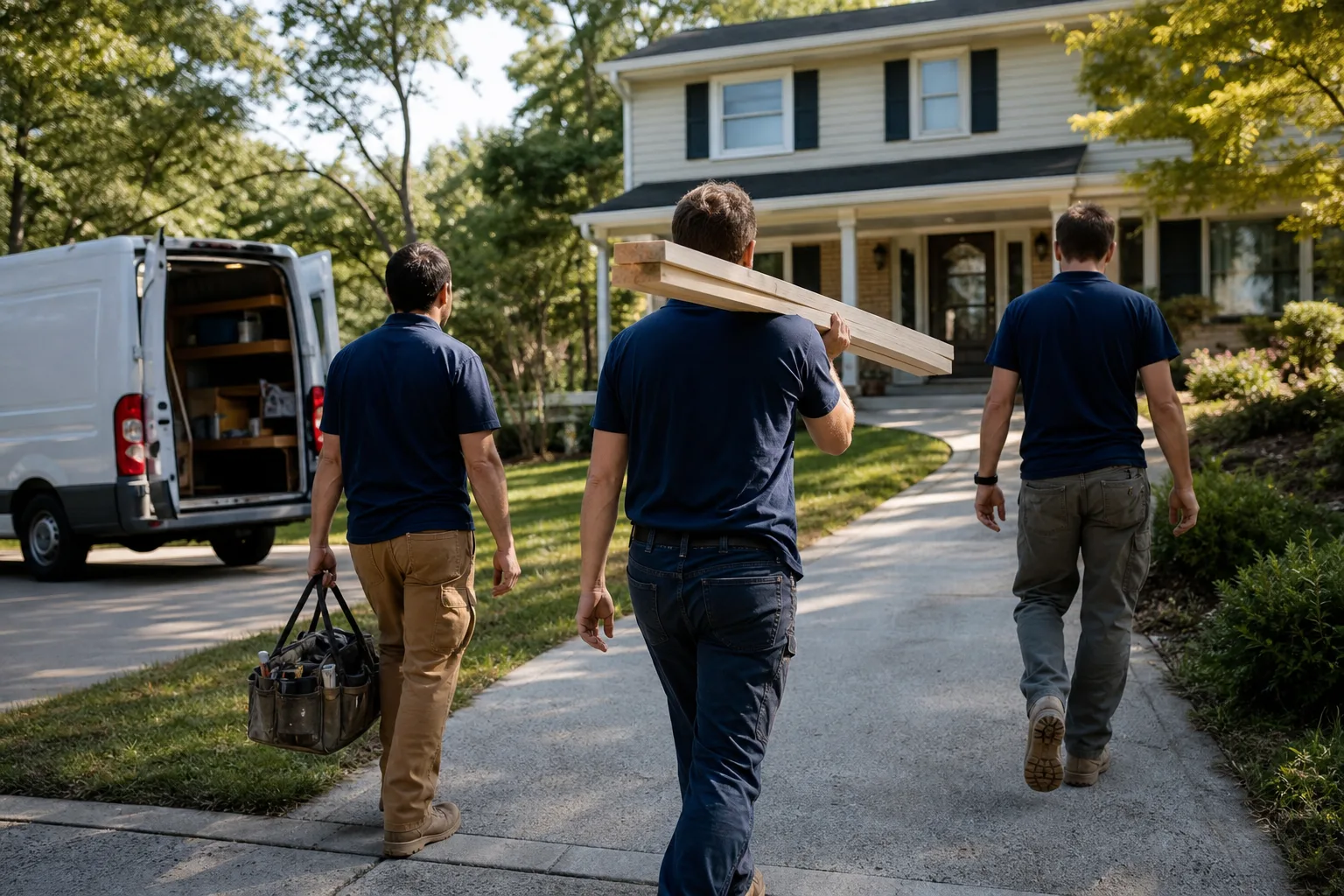
For larger projects, a licensed general contractor in Henderson pulls the permits, manages the inspections, and carries the liability. That’s the clean way to stay legal.
What Is the Henderson Permit Threshold?
Henderson’s building department ties permits to project scope, not just dollar value, but the value threshold matters for how the work is classified. In practice, the city requires a permit for:
- Any structural work, including moving or removing walls, cutting headers, or altering the framing
- Any new or relocated electrical circuit, panel work, or outlet added at a wet location
- Any plumbing rough-in, drain relocation, or fixture addition that touches supply or waste lines
- Water heater, HVAC, and furnace replacements (mechanical permits, always needed)
- Fences over six feet, detached structures, and any addition that expands the footprint
- Roofing replacements (a permit and final inspection are required, even though the job is not “inside”)
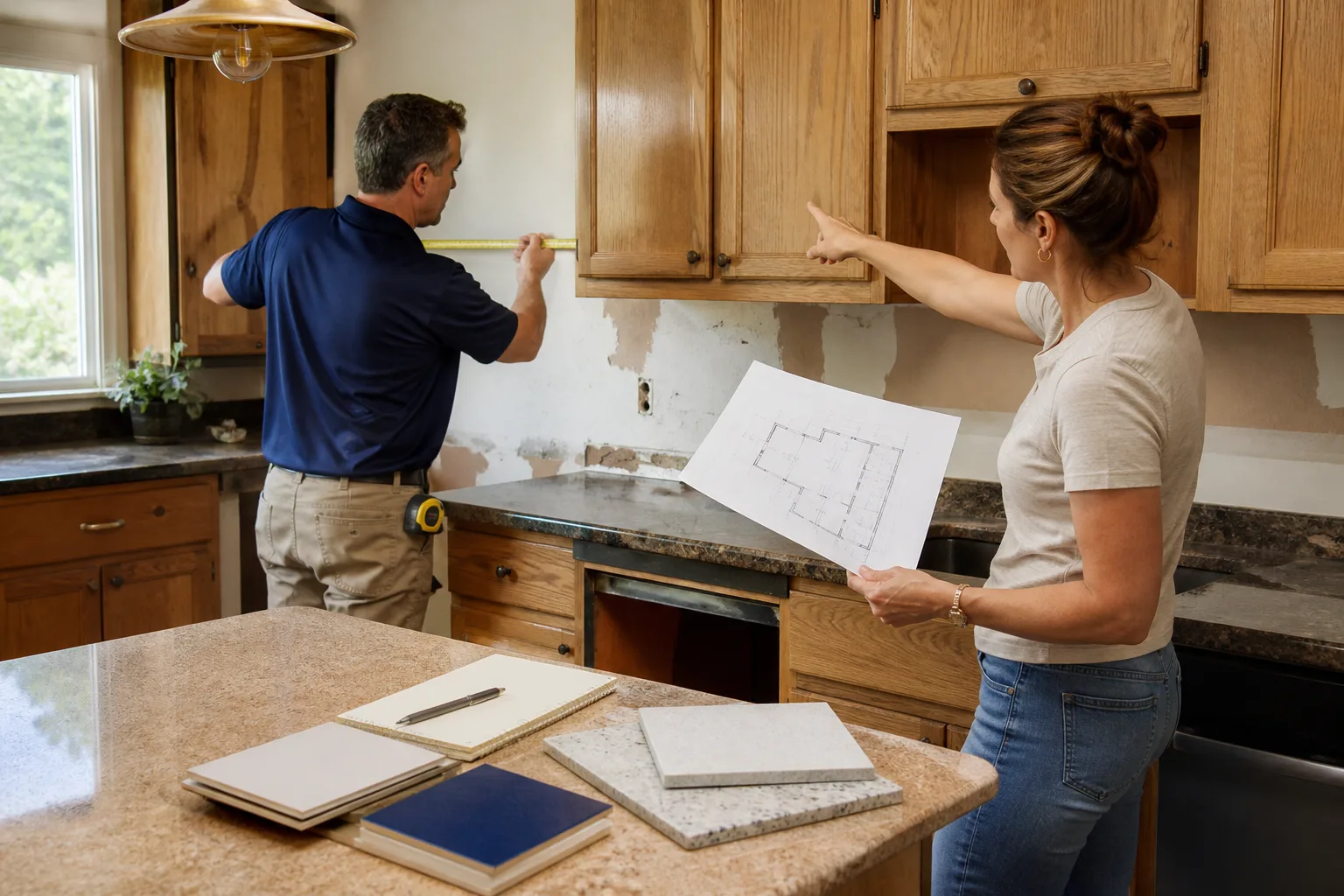
What typically doesn’t require a permit: paint, cabinet refacing, replacing a light fixture with a matching one, swapping a faucet, laying new flooring over sound subfloor, and tiling the finish layer on an existing wall or floor. Notice that the exempt work is all surface work. The permit threshold in Henderson tracks the same line we’ll draw through this whole guide: finish yes, system no.
Permit fees run a few hundred dollars for small work and scale up with project value. A final inspection closes the permit, and that closed permit is what shows up clean in the resale history. If you’re planning a kitchen or bath and want to know which scope needs a permit, call (888) 325-9386 to schedule a free estimate. We’ll tell you in writing which parts of the job the city will want to see.
Cosmetic, Mechanical, Structural: Where DIY Risk Actually Lives
Three categories, three very different risk profiles.
Cosmetic work changes what you see, not what holds the house together. Paint, wallpaper, cabinet hardware, light fixture swaps, tiling the finish layer, and trim installation all fall here. DIY risk: low. Cost of a mistake: cosmetic. This is where hobby-level skill goes a long way in Henderson, and where a careful homeowner can save real money.
Mechanical work is anything that moves water, gas, air, or electricity. This is where the danger and the money both climb. A small electrical mistake can start a fire inside a wall you’ll never see. A slow plumbing leak under a shower pan rots the subfloor before you notice the smell. Gas lines can kill. There is no DIY-safe version of a gas line or a panel change, and we don’t recommend attempting either.
Structural work includes load-bearing walls, headers, beams, joists, and anything that redistributes the weight of the home. Every wall that runs the long direction of the house in Henderson’s older central neighborhoods may be load-bearing; you can’t tell by looking. Cutting into one without engineering is how ceilings sag and cracks open. This category gets an engineer, a permit, and an inspector. No exceptions.
If you’re uncertain which category your project falls into, it’s almost always the more serious one. That’s true more often than homeowners expect, and it’s why we’d rather look at a project on paper than catch the problem mid-demolition.
What Does Rough-In Look Like to a Licensed Inspector?
Rough-in is the work that goes inside the wall before drywall closes it up: water supply lines, drain and vent pipes, electrical wire in conduit, boxes, straps, and nail plates. To a licensed inspector, rough-in is not invisible. It is required to be inspected before the wall closes, and inspectors know exactly what they’re looking at when they see it open.
Finishing over amateur rough-in is the single most expensive DIY mistake we’ve seen in Henderson. Here’s why. The rough-in inspection happens before drywall, so the work is visible. If it fails, the wall gets opened again, the plumbing or wire is corrected, the drywall is re-hung, tiled over, and repainted. You pay for the whole job twice, plus the demolition, plus the inspector’s return visit. Finishing over bad rough-in also means the failure is hidden for years, so insurance, resale, and even a routine maintenance call can surface it later, with interest.
What inspectors check:
- Drain slope (the quarter-inch-per-foot rule, and the right fall direction)
- Vent configuration, so the drain doesn’t gurgle or trap sewer gas
- Electrical box fill, grounding, and GFCI protection in wet locations
- Nail plates over wire and pipe where screws can reach them
- Waterline pressure-testing before drywall closes
If you’re doing a kitchen remodeling in Henderson or a bath, that inspection list runs before a single tile goes up. Which is exactly the sequence we plan around so nothing gets re-opened later.
How Does Unpermitted DIY Affect Your Insurance?
Homeowner’s insurance policies generally cover the home as permitted and built. When an insurer inspects a loss and finds unpermitted work was the cause, the claim can be denied or the payout reduced. A slow leak from unpermitted plumbing, a fire traced to an unpermitted outlet, or a damaged joist from an unpermitted wall removal can all end with the adjuster writing a much smaller check than the homeowner expected.
In Henderson, this risk is compounded by the desert climate. Bathroom moisture in a dry-climate home often dries on the surface while the damage below continues, and it can take years for the moisture from an unpermitted shower valve or drain pan to show up as a soft spot in the subfloor. By the time it’s visible, the insurance question is whether the cause was covered construction, and the fact that the work was never permitted complicates every step of the claim. Call us to talk through a project before you start it; the estimate is free and we’ll tell you what the permit story looks like.
What Does Unpermitted Work Cost at Resale?
In a Henderson sale, the buyer’s inspector flags what the seller discloses and what they can see. Unpermitted work that has a visible signature (a bump-out with no footing, a bathroom with no vent, a switch where the box doesn’t sit flush) will show up. And in a competitive listing, buyers already have options. They use an unpermitted remodel as leverage to negotiate down the price or to walk away.
The real costs compound:
- Price reduction: buyers commonly discount for unpermitted work, often by more than the cost of the original job
- Delayed closing: lender underwriters can require the work be permitted and inspected before the loan funds
- Retroactive permit: the new owner has to open a permit for already-completed work and hope the inspector signs off
- Demo: if the work can’t be brought into compliance, it comes out
The 365-Day Done Right Promise is our way of putting this risk where it belongs: with the professional. For a full year after completion, if the work isn’t right, we make it right at no cost to you. That’s the kind of guarantee that shows up cleanly in a resale disclosure, and we’ve seen a written guarantee actually close a sale that unpermitted DIY had stalled.
A Step-by-Step Way to Decide Before You Start
Before you swing a hammer in Henderson, run these steps:
- Write the project scope down in a sentence. If the sentence contains the words “move,” “remove,” “add,” or “replace,” look closer.
- Identify the category from the three above. If you’re not sure, assume mechanical or structural and get a professional opinion.
- Check the permit requirement against the Henderson list. Power, water, gas, and structure need a permit; finish does not.
- Confirm the Nevada license threshold. If labor and materials cross $1,000, licensed work applies, and the owner-occupant exemption is narrow.
- Consider the resale timeline. If you’ll sell within five years, assume the buyer’s inspector will flag every shortcut.
- Check the insurance exposure. If the answer to any failure scenario starts with “and then I file a claim,” weigh whether the DIY savings justify that risk.
- Call (888) 325-9386 for a free estimate if any step above is unclear. We’ll help you decide what’s genuinely safe to self-perform and what shouldn’t be touched without a license.
Look at Mason Remodeling’s own project pages. When we quote a bathroom remodeling in Henderson, the written price comes before any work starts. That’s the standard, and it’s the reason our quotes are not “estimates” you have to compare to a final invoice. A written guarantee with stated terms of 365 days accompanies the price. For a homeowner planning a larger project, that gives you a direct comparison point for your DIY plan.
Common Mistakes to Avoid
- Finishing over rough-in that was never inspected. The wall hides the failure, and when it surfaces it surfaces as a bigger repair. Get the rough-in inspected first, especially in a kitchen or bath.
- Removing a wall without a structural assessment. In Henderson’s older neighborhoods, the central load-bearing wall may be the one you want gone. We’ve seen removals that turned out to be bearing walls only after the ceiling started to crack.
- Skipping the permit “because it’s just a repair.” A water heater swap, a panel repair, or a roof replacement may look minor and still need a permit and final inspection. The inspection is what makes the work legal at resale.
- Running out the owner-occupant exemption on a rental or flip. The exemption is for your own residence and doesn’t travel with the property when it changes use. Check the statute before you buy materials for a property you intend to rent or sell.
- Not factoring the resale inspection into the timeline. If you’ll sell within a few years, plan the project as if a licensed inspector will flag everything visible. That’s the safest assumption in the Henderson market.
- Using the cheapest fixtures for a job that won’t be re-opened. A $40 shower valve under a tiled wall is not a bargain when it fails and the wall has to come down. Specification-grade fixture brands like Kohler and Moen exist for a reason: they’re engineered to stay closed and sealed.
- Assuming your insurer will cover the failure without asking. Call your insurer before a project that touches a system. The answer you get on the phone is worth more than the money you saved doing the work yourself.
If you’re hiring for a roofing or exterior project instead of a remodel, the same logic holds. Material choice is part of the resale story, and specification-grade brands like Tamko and Boral give you a product that proves its spec at inspection. We take the same approach on interior work, pairing cabinet and surface choices from KraftMaid, Cambria, and Caesarstone so a finished room looks finished at the buyer’s walk-through. Whether that’s a project you take on yourself or one we quote from the Mason Remodeling Co Henderson home, the choice is yours to make with the right information in hand.
See the difference
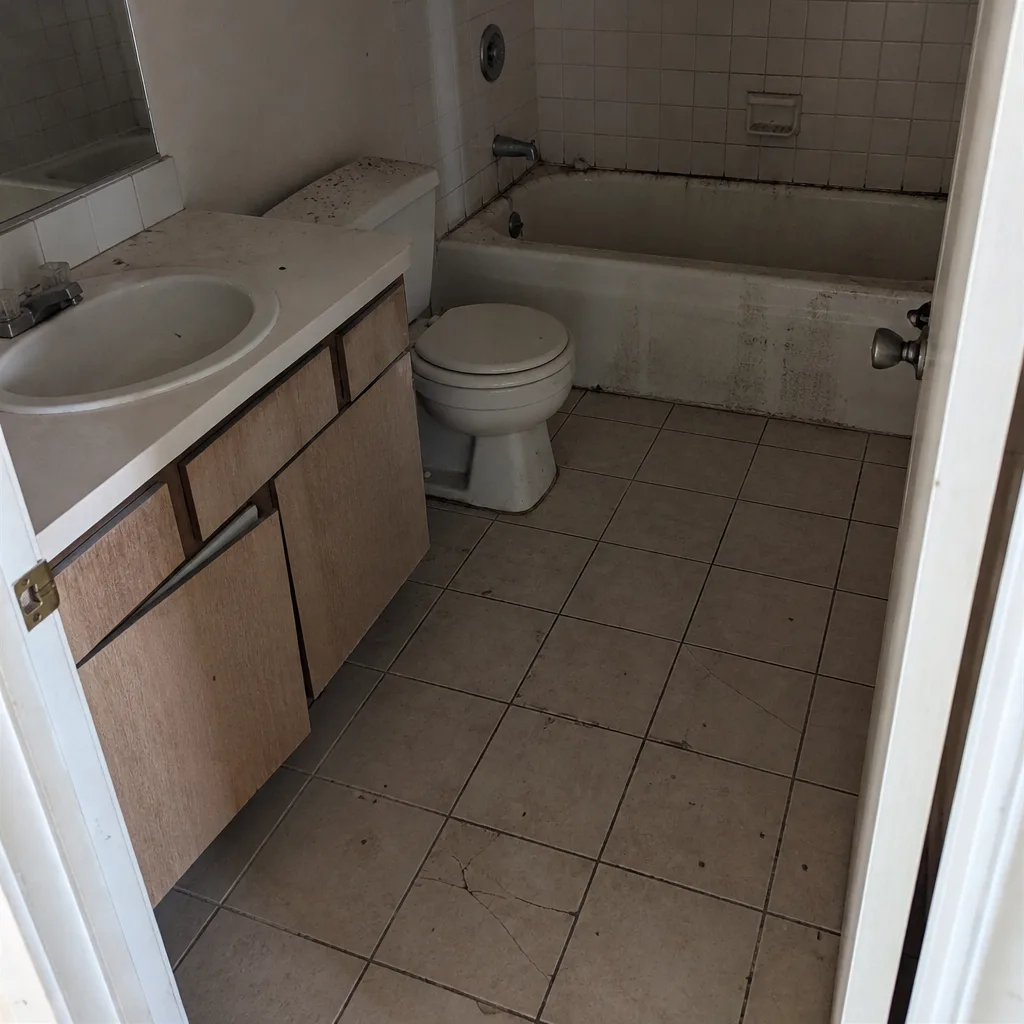 Before
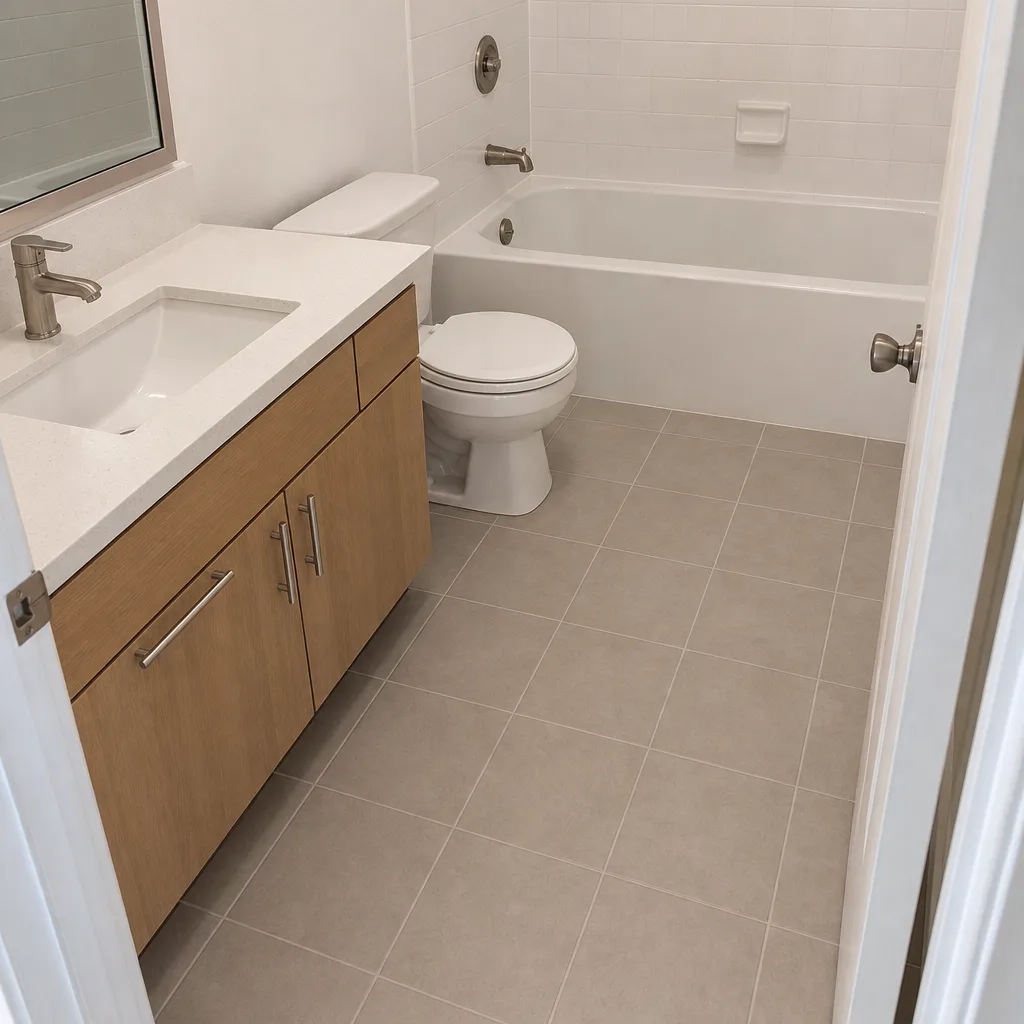 After
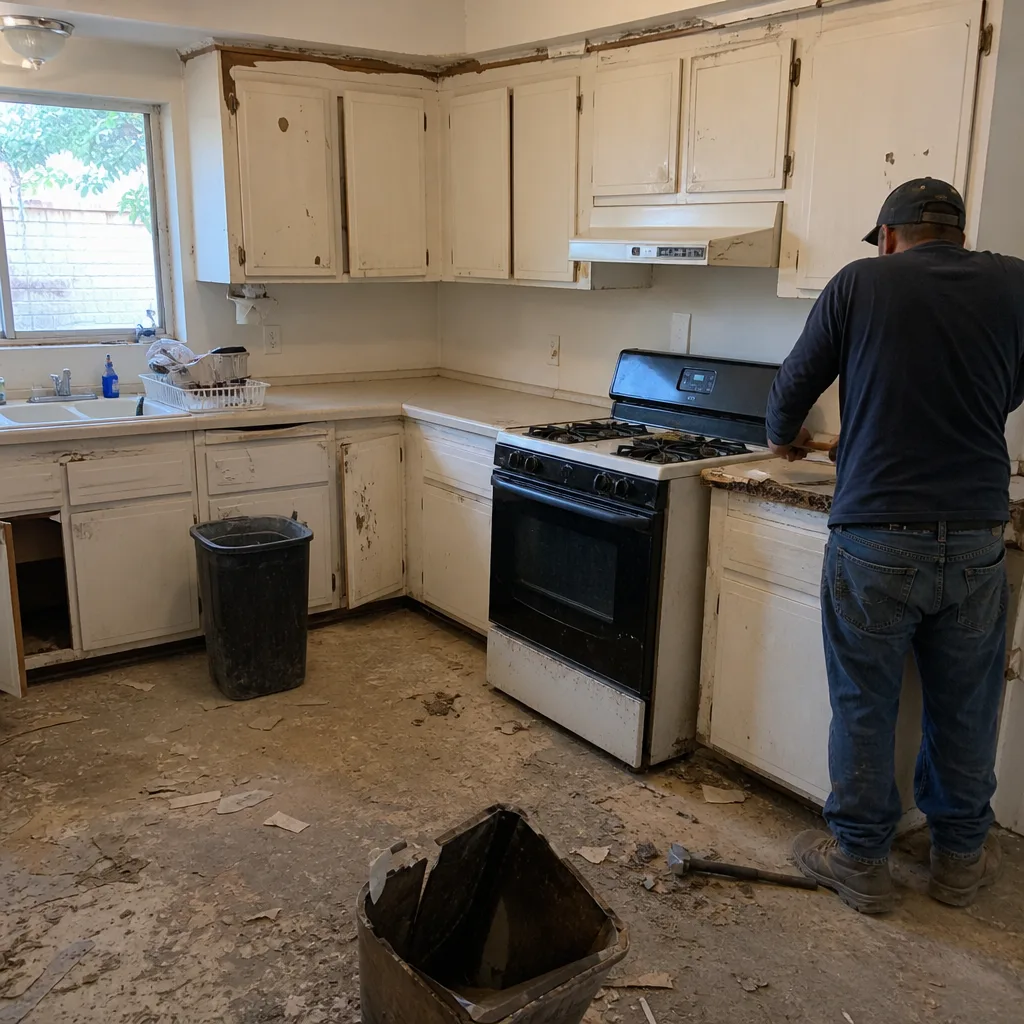 Before
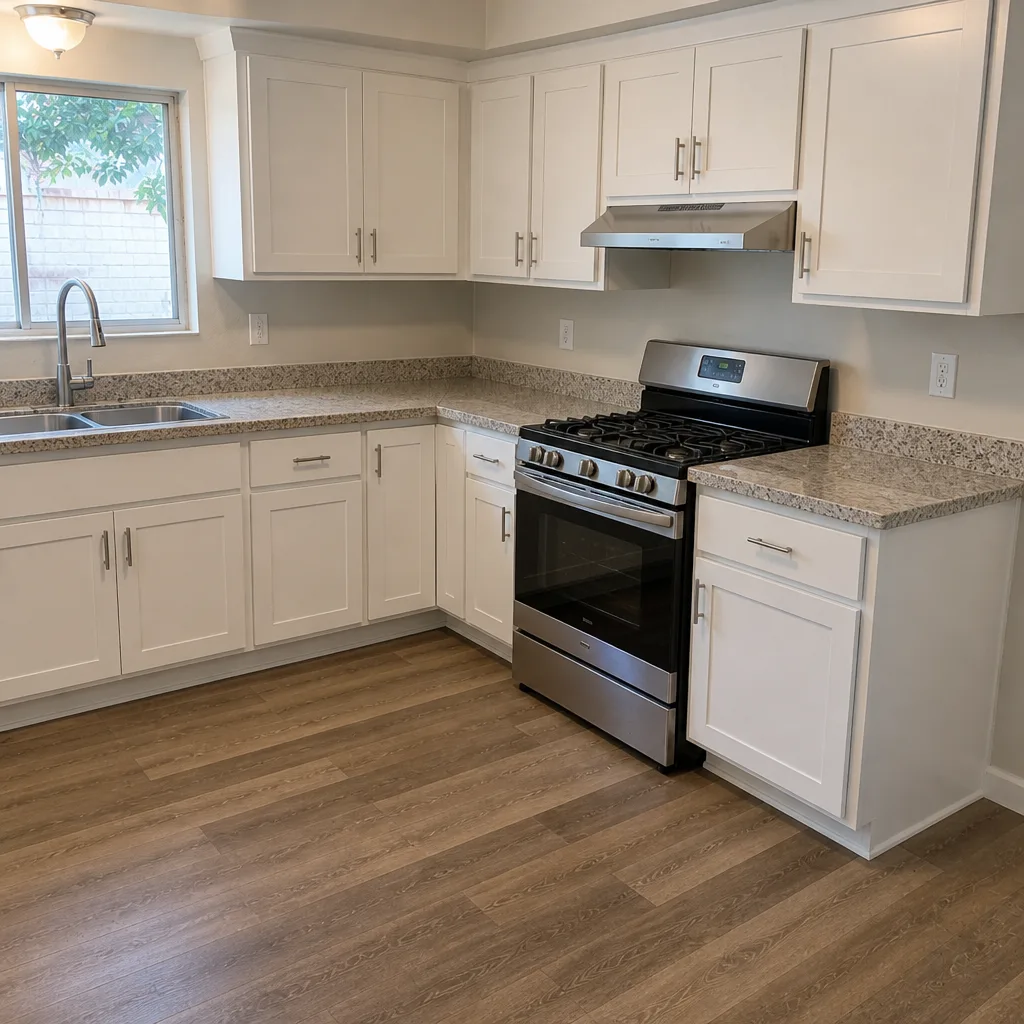 After
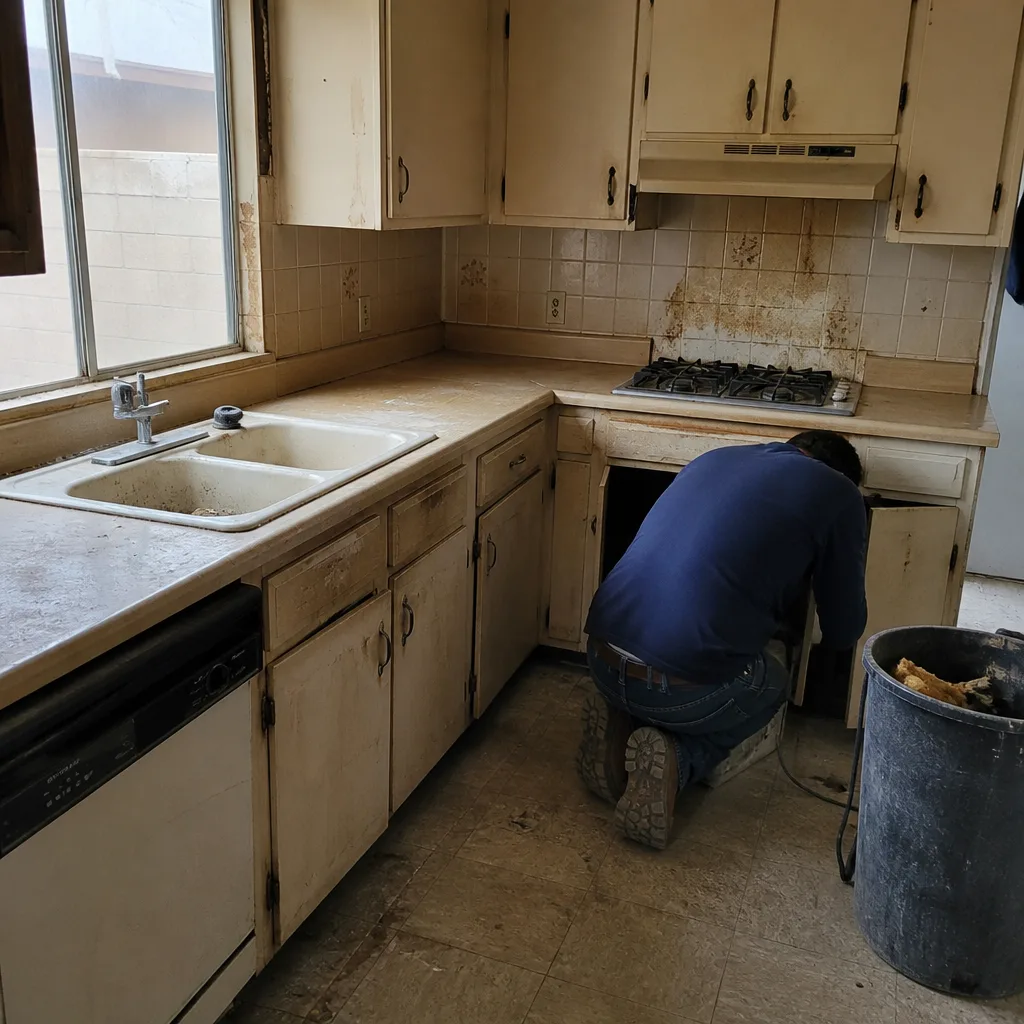 Before
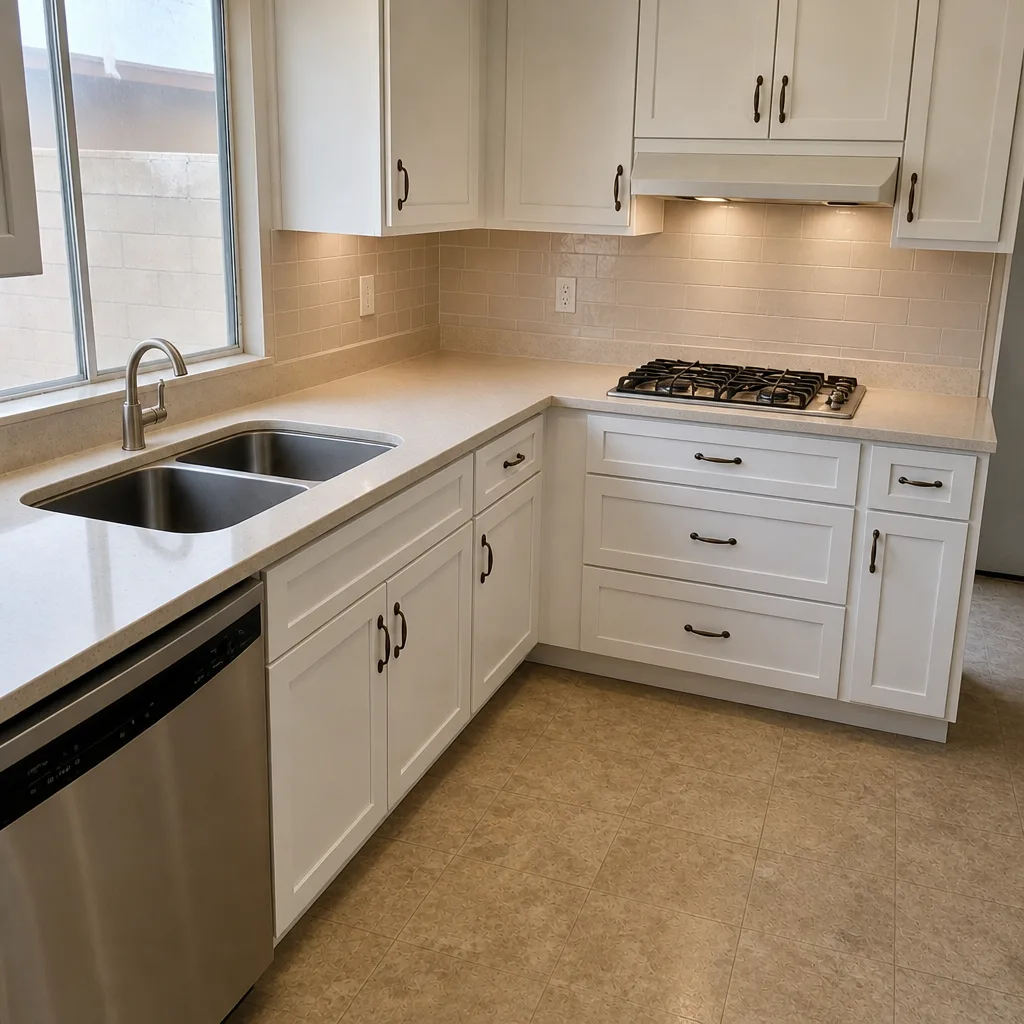 After
When to Call a Professional
Call a licensed professional when the work touches any mechanical system, any structural element, or any project value that crosses the Nevada license threshold. Call when you’re planning to sell within a few years, when the home will be a rental, or when the scope includes gas lines, panel work, or moving a load-bearing wall. Call when the work is behind a wall it won’t be re-opened, and when a failure would mean an insurance claim. In Henderson, Mason Remodeling Co Henderson offers free estimates with a written price before any work starts, on every project. Call (888) 325-9386 to schedule your free estimate and get a clear answer on which parts of your project are safe to self-perform. A live person answers every call, 24 hours a day, seven days a week.
Frequently Asked Questions
Yes, in most cases. A bathroom remodel in Henderson needs a permit if it touches plumbing supply or drain lines, electrical circuits, or the shower pan and waterproofing. Finish work like tile, paint, and fixture swaps that don’t move the plumbing typically doesn’t need a permit. If you’re not sure, call (888) 325-9386 and we’ll tell you what the city will expect.
The threshold is $1,000 in labor and materials for a project requiring a licensed contractor under NRS 624. An owner-occupant exemption exists for work on your own primary residence, but it doesn’t extend to rental or resale properties, and it doesn’t cover gas line, panel, or other specialty-classified work. Call (888) 325-9386 to confirm what applies to your project.
Yes, and this is one of the safest DIY projects in a Henderson home. The backsplash sits over sound drywall or substrate, and the work doesn’t touch water supply or electrical circuits. The risks are aesthetic (uneven grout lines) rather than structural. If the backsplash is going over a wall where you’re also moving a receptacle or a waterline, that portion needs a licensed electrician or plumber.
Unpermitted work typically gets flagged by the buyer’s inspector and has to be disclosed. In a Henderson sale, the buyer can use it to negotiate a price reduction, delay closing until it’s permitted and inspected, or walk away. The cost often exceeds what the original DIY job saved. To avoid that scenario, get a written estimate and a permit before work starts; call (888) 325-9386 and we’ll walk you through it.
Usually not fully, and sometimes not at all. An insurer can deny or reduce a claim if the loss traces to unpermitted work, because the policy covers the home as permitted and built. The failure scenario is the one that matters, which is why we recommend calling both your insurer and a licensed contractor before starting a job that touches a system. For a free estimate that includes the permit scope, call (888) 325-9386.
Pricing depends entirely on the scope, the materials, and the permit work involved, which is why we put every price in writing before work starts rather than quoting a number over the phone. A written estimate gives you a real figure to compare against your DIY plan, including the permit fees and the labor you’d be taking on yourself. Call (888) 325-9386 to schedule your free estimate.
The Bottom Line

The safe line for DIY in Henderson is the finish layer. Paint, tile, trim, fixture swaps: yours to do and worth doing. Anything below that line (rough-in, panels, gas lines, load-bearing walls) belongs to a licensed contractor, a permit, and an inspection. The reason isn’t skill level. It’s permit exposure and resale liability, and both follow the work for years after the project is done. If you’ll sell, rent, or file a claim on the home, assume the inspector sees it. Get your project quoted in writing before any work starts, and keep the risk with the professional. Mason Remodeling Co Henderson delivers a written price before work begins and a 365-Day Done Right Promise on every completed project. Call (888) 325-9386 for a free estimate, any day, any hour.
Written by the team at Mason Remodeling Co Henderson.