Last updated November 18, 2026
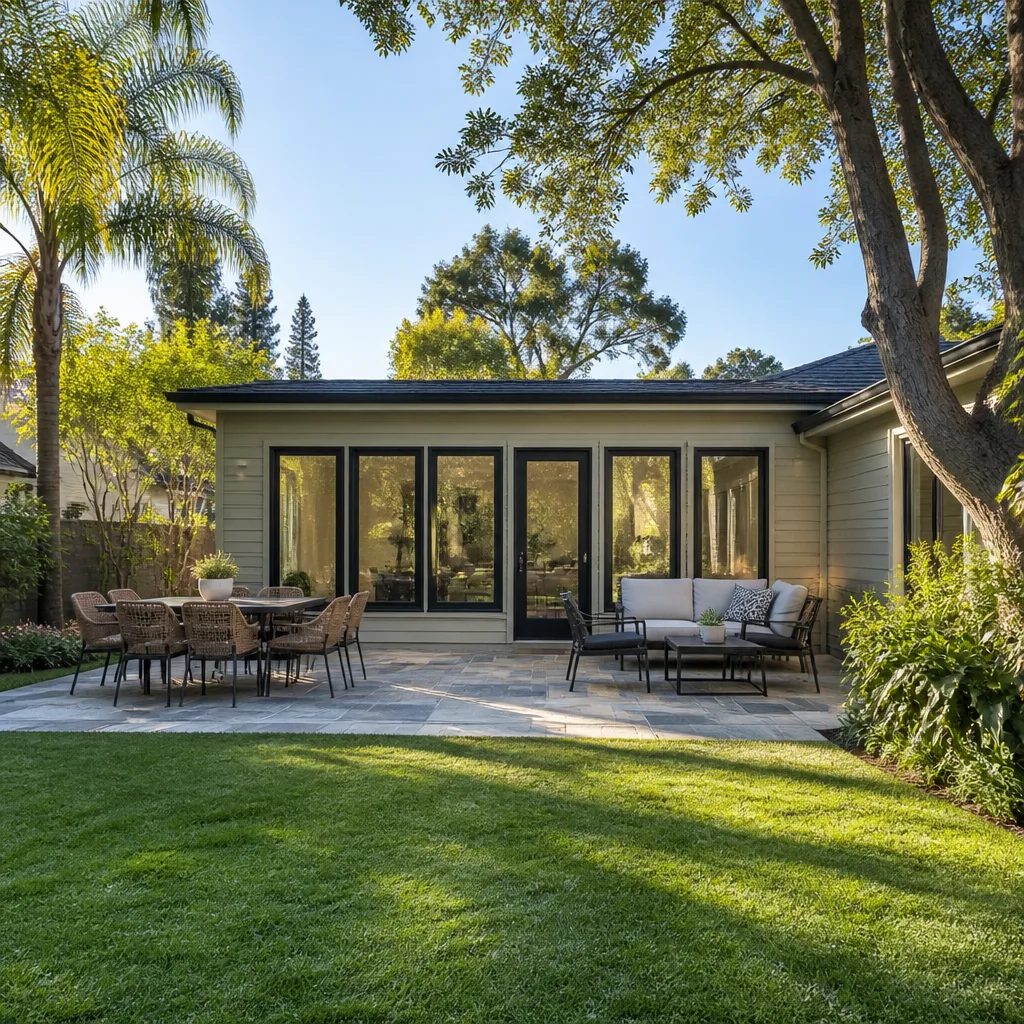


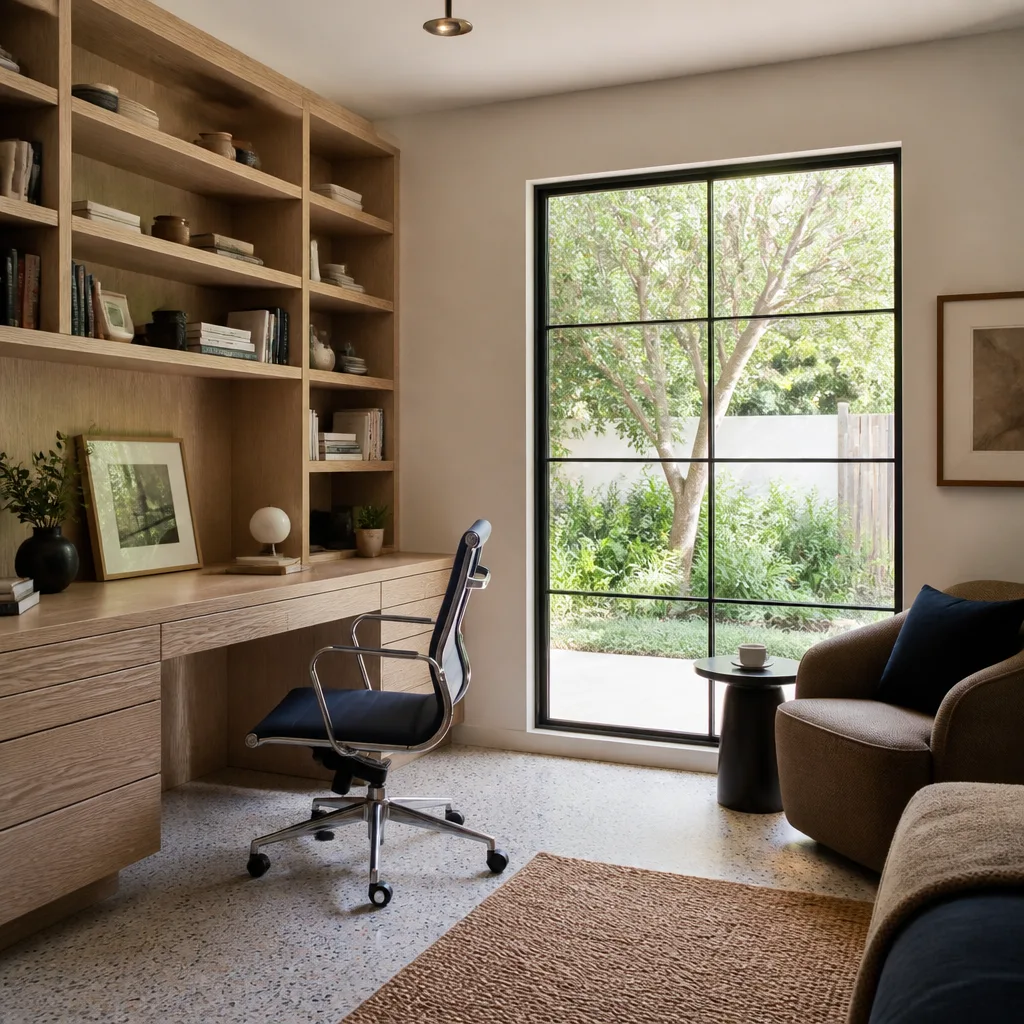


Free written scope consultation - allowances, timeline, and change-order rules on paper before a single trade is scheduled
DIY vs Professional General Contractor: What’s Safe to Do Yourself
Unpermitted work is a hidden lien on your home’s sale price. In Henderson, a remodel that skipped permits can trigger a stop-work order in the middle of escrow – freezing the sale, forcing demolition, and adding corrections nobody budgeted for. Nevada title companies have gotten stricter about asking for permit records on additions and structural changes completed in recent years, and buyers’ agents now request documentation before an offer is even written. This guide draws a practical line between what you can legally and safely do yourself and what legally needs a licensed contractor, using Nevada code, insurance rules, and resale disclosure requirements rather than guesswork.
Quick Answer
Painting, landscaping, cabinet hardware, and similar finish-level work are genuinely safe to do yourself in Henderson. Electrical, plumbing, structural changes, and anything requiring a building permit need a licensed contractor – not just because of the skill required, but because unpermitted work can void your homeowner’s insurance coverage, block a home sale, and must be disclosed to buyers under Nevada law. The dividing line isn’t confidence; it’s permits, liability, and resale.
Styles & brands we work with
- Kitchen remodeling
- Bathroom remodeling
- Home additions & ADU
- Roofing
- Windows & doors
- Driveway & pavers
- Fence
Table of Contents
- Nevada Permit Thresholds: What Legally Requires a Licensed Contractor
- What You Can Legally Self-Perform on a Contractor-Led Project
- How DIY Electrical, Plumbing, and Structural Work Affects Nevada Insurance
- Nevada Resale Disclosures and the Cost of Unpermitted Work
- Three Projects Where DIY Is Genuinely Reasonable in Henderson
- Three Projects Where DIY Routinely Creates Four-Figure Corrections
- When to Call a Professional
Nevada Permit Thresholds: What Legally Requires a Licensed Contractor
Nevada doesn’t draw the DIY line at a dollar amount the way many homeowners assume. The line is drawn by project type and by whether a permit is required at all. In Clark County, which covers Henderson, a building permit is generally required for structural changes, additions, new electrical circuits, new plumbing lines, gas line work, and most projects above minor repair thresholds. Once a permit is required, the work legally needs to be done by or under the supervision of a licensed contractor in most cases – a homeowner can pull an owner-builder permit for their primary residence, but that carries real restrictions and risk.
Here’s what that looks like in practice:
- Structural changes – removing or modifying a load-bearing wall, adding a room, changing a roofline: permit required, licensed contractor required.
- Electrical beyond like-for-like fixture swaps – new circuits, panel upgrades, added outlets, or anything requiring a permit: licensed electrician required.
- Plumbing line changes – moving a drain, adding a bathroom, rerouting supply lines: permit and licensed plumber required.
- Gas line work – any modification at all: permit and licensed contractor required. No DIY, full stop.
- Finish work – painting, flooring over existing subfloor, cabinet hardware, landscaping: generally no permit, and legally fine to self-perform.
The owner-builder exception is where homeowners get into trouble. Nevada allows a homeowner to pull permits on their own primary residence in some cases, but the exemption doesn’t transfer to a buyer, doesn’t erase insurance exposure, and often triggers extra scrutiny at resale. If you’re planning a permit-level project in Henderson, the cleanest path is a licensed contractor who pulls the permit, schedules the inspections, and stands behind the work. Our technicians have up to 22 years of experience reading Clark County permit requirements, and we’d rather walk you through what actually needs one than see a project turn into a correction.
What You Can Legally Self-Perform on a Contractor-Led Project
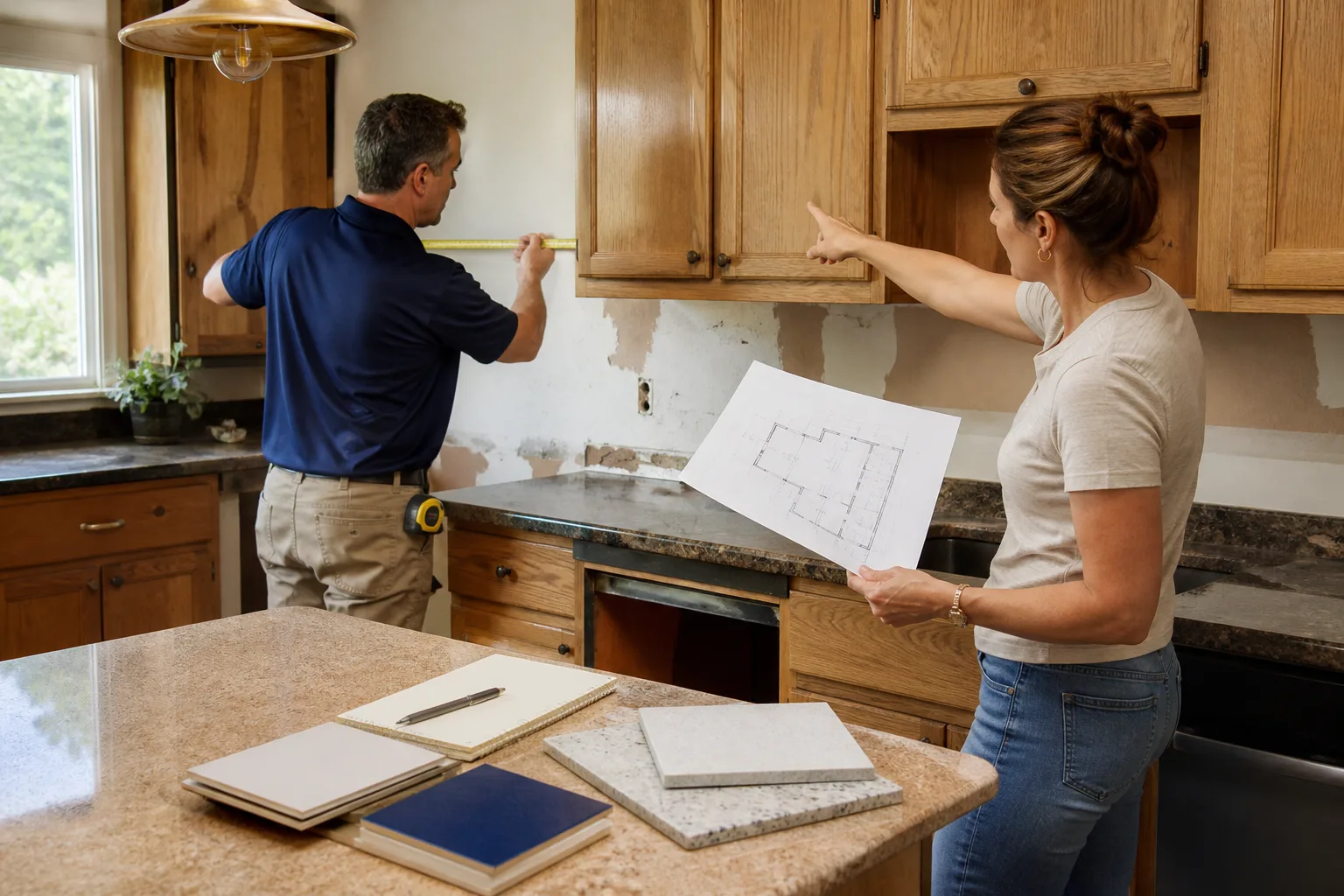
Here’s the part most guides skip: on a professional remodel, there’s a legitimate middle path. You can hire a licensed General Contractor in Henderson to run the permit-level scope and self-perform the finish work yourself to cut cost – as long as you understand what does and doesn’t affect the contractor’s liability coverage. The key rule: anything that touches the permitted scope stays with the licensed crew. Anything that’s decorative or non-structural is fair game, with the contractor’s written agreement.
Tasks homeowners commonly and legally self-perform within a GC-led project:
- Interior painting after the crew finishes drywall and trim – no permit, no liability shift.
- Cabinet hardware installation – pulls, knobs, and hinges on already-installed cabinetry.
- Closet and storage systems – shelving, rods, and organizers anchored into finished walls.
- Landscaping and hardscape finishing – planting, mulch, and non-structural garden walls under local height limits.
- Appliance delivery coordination and hookup of plug-in units – the refrigerator and microwave, not the range hood that ties into ductwork or the gas range.
- Final touch-up and caulking on non-wet-area trim, once the crew has signed off on the substrate.
What’s off-limits even on a contractor-led job: anything inside the permitted scope, anything touching electrical, plumbing, or gas, and anything the contractor’s insurance explicitly excludes. Get the agreement in writing before you pick up a brush. The written price your contractor delivers should state exactly which scope items are excluded for self-performance – that protects both of you if a question comes up later.
How DIY Electrical, Plumbing, and Structural Work Affects Nevada Insurance
Nevada homeowner’s insurance policies routinely exclude damage caused by unpermitted or non-code-compliant work. That means if a DIY electrical modification causes a fire, or a self-installed water heater fails and floods the house, the insurer can deny the claim – not because the work was bad, but because it wasn’t permitted or inspected. This is the part of the DIY decision that catches homeowners off guard, and it’s why we treat insurance exposure as seriously as the work itself.
What insurers actually check after a loss:
- Permit records – Clark County’s online permit history is the first thing an adjuster pulls on structural, electrical, or plumbing claims.
- Contractor licensing – who performed the work, and whether they were licensed at the time.
- Inspection sign-offs – whether the work passed the required inspections.
- Disclosure history – whether unpermitted work was disclosed to the insurer at policy inception or renewal.
Some carriers also raise premiums or decline renewal after discovering unpermitted work, even without a claim. The exposure isn’t theoretical. In Henderson, we’ve seen claims denied on water damage traced to a homeowner-installed supply line that was never permitted or inspected – a repair that would have cost a few hundred dollars through a licensed plumber turning into a five-figure loss out of pocket. The insurance math alone settles most DIY debates on electrical, plumbing, and structural work before skill ever enters the conversation.
Nevada Resale Disclosures and the Cost of Unpermitted Work
Nevada’s seller’s disclosure requirements are strict, and they force the issue at the worst possible moment: closing. Sellers must disclose known material defects and any known unpermitted work, and buyers’ agents in the Henderson market increasingly ask for permit documentation on any addition completed after 2018. If the work isn’t permitted and wasn’t disclosed, the seller carries the liability – and the buyer can pursue remedies after closing if a problem surfaces. This is where DIY structural and electrical work becomes a resale liability, not just a safety question.
The cost implications, in order of how often we see them:
- Mandatory stop-work order during escrow – a buyer’s inspector flags the work, the city issues a stop-work, and the sale freezes until the work is either permitted retroactively or demolished. Timeline: weeks to months.
- Retroactive permitting – the buyer or seller has to open the walls for inspection, correct the work to code, and pay for re-inspection – often 2 – 3x the original project cost.
- Price reduction or deal collapse – buyers price in the risk, often aggressively, or walk entirely.
- Post-closing litigation – if unpermitted work wasn’t disclosed, the seller’s exposure continues after the keys change hands.
The pattern is consistent: a few thousand dollars saved on the front end turning into a five-figure headache at resale. For Henderson homeowners planning a project they may sell within a decade, the permit trail is worth more than the DIY savings – and a Bathroom Remodeling in Henderson project, which touches plumbing and electrical almost every time, is the single most common place we see unpermitted work surface in a sale.
Three Projects Where DIY Is Genuinely Reasonable in Henderson
Plenty of work around a Henderson home is honestly safe to do yourself. These three categories share one trait: none of them touch the permit line, the insurance exposure, or the resale disclosure. They’re finish work, and finish work is where your labor actually saves money without adding risk.
1. Interior painting. Walls, ceilings, trim, and doors are all fair game. The one caveat: lead paint testing on homes built before 1978, and proper ventilation during Henderson’s summer – interior paint in an air-conditioned house in July is fine, but exterior paint during a 110°F afternoon will fail before it cures. Save exterior painting for October through April and you’ll get a finish that lasts.
2. Landscaping and non-structural hardscape. Planting, mulch, drip-line adjustments on existing systems, and garden walls under the local height limit don’t need permits. Where DIY landscaping pays off biggest in Henderson is in the transition zone – the shaded patio edges and planter beds where our high-desert sun scorches everything not under irrigation. If you’re adding a fence, note that fence height and setback rules vary by neighborhood; a quality Ameristar or Bufftech fence installed to the local setback avoids a correction later.
3. Cabinet hardware and storage systems. Knobs, pulls, drawer organizers, closet shelving, and garage wall systems. None of it touches a permit or an insurance claim, and all of it adds resale value if it’s installed cleanly. The only caution is drilling: measure twice, and template your holes so the run stays level. A crooked hardware line is one of the first things a buyer’s eye catches.
What all three have in common: they’re reversible, non-structural, and don’t hide anything behind a wall. That’s the test to apply to any DIY project you’re considering.
Three Projects Where DIY Routinely Creates Four-Figure Corrections
These are the calls we get most often after a homeowner has tried the work themselves. In every case, the correction costs more than the original job would have – and in two of the three, the homeowner’s insurance exposure is real.
1. Electrical work beyond a fixture swap. Adding an outlet, moving a switch, upgrading a panel, or wiring a new circuit all require a permit and a licensed electrician. The most common correction we see in Henderson: a homeowner adds a circuit for a garage freezer or hot tub, skips the permit, and the work fails inspection at resale – opening the wall, re-pulling the wire, and re-inspecting often runs $1,500 – $4,000 on top of the original job. Higher stakes: an electrical fire that your carrier declines to cover because the work was unpermitted.
2. Plumbing line changes. Moving a drain, adding a bathroom, replacing a water heater, or rerouting supply lines requires a permit and a licensed plumber. The typical failure mode in Henderson: a self-installed water heater without a permit or proper expansion tank, which fails within a couple of years and floods the garage. The water damage claim gets denied, and the corrected install runs $2,000 – $4,500 once you factor in drywall repair and re-inspection.
3. Structural changes. Removing a wall, opening a load path, or modifying a roofline requires an engineer or licensed contractor, a permit, and inspection. This is where the stakes are highest – a misidentified load-bearing wall is a genuine safety issue, not just a permit problem. We’ve seen Henderson homeowners pay $8,000 – $15,000 to correct a DIY wall removal once the sagging was caught, and higher if the fix needed a structural engineer.
All three share a warning sign: if the work needs a permit, DIY is the wrong choice. Full stop. That’s the line Nevada code draws, and it holds up in every correction we’ve handled.
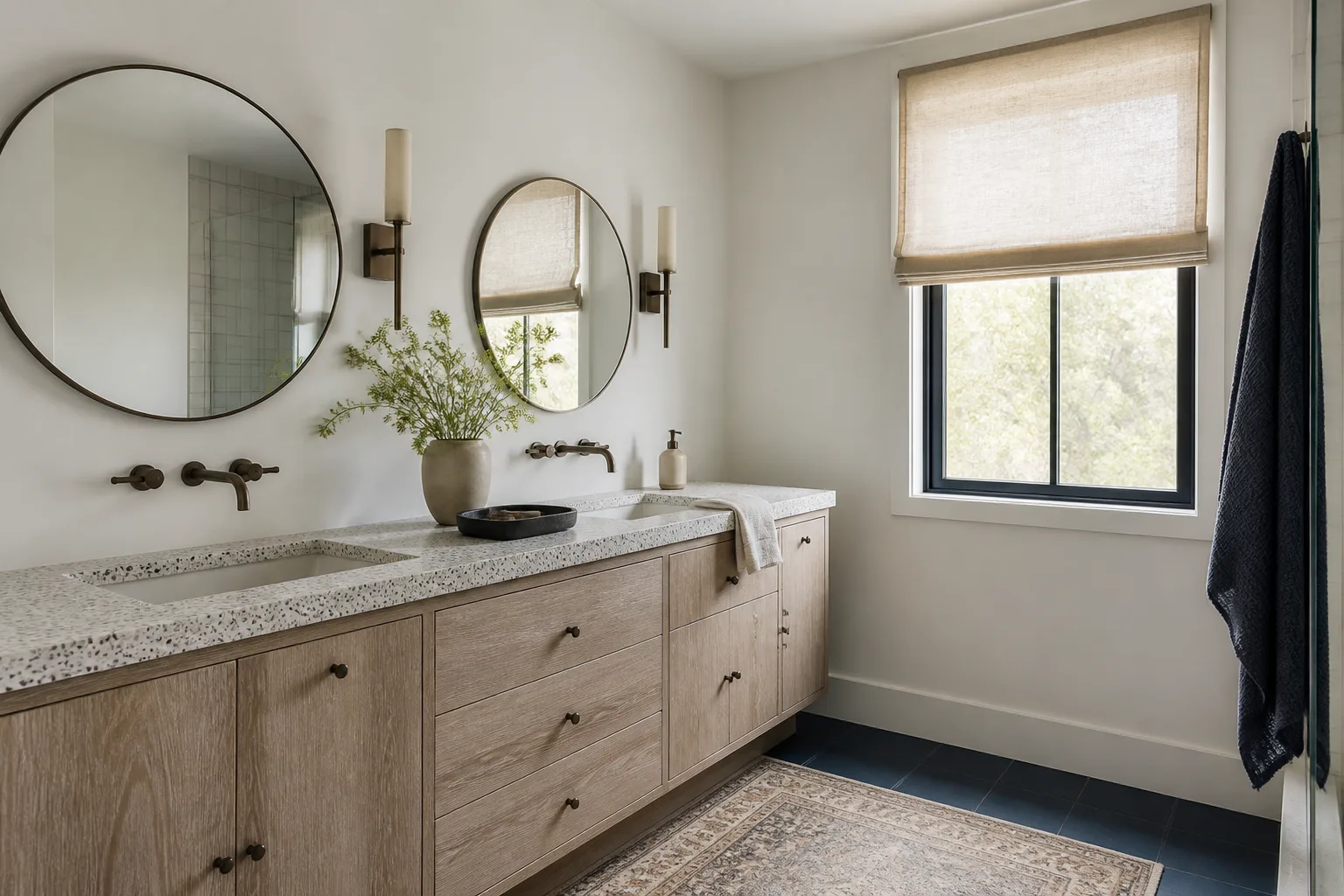
See the difference
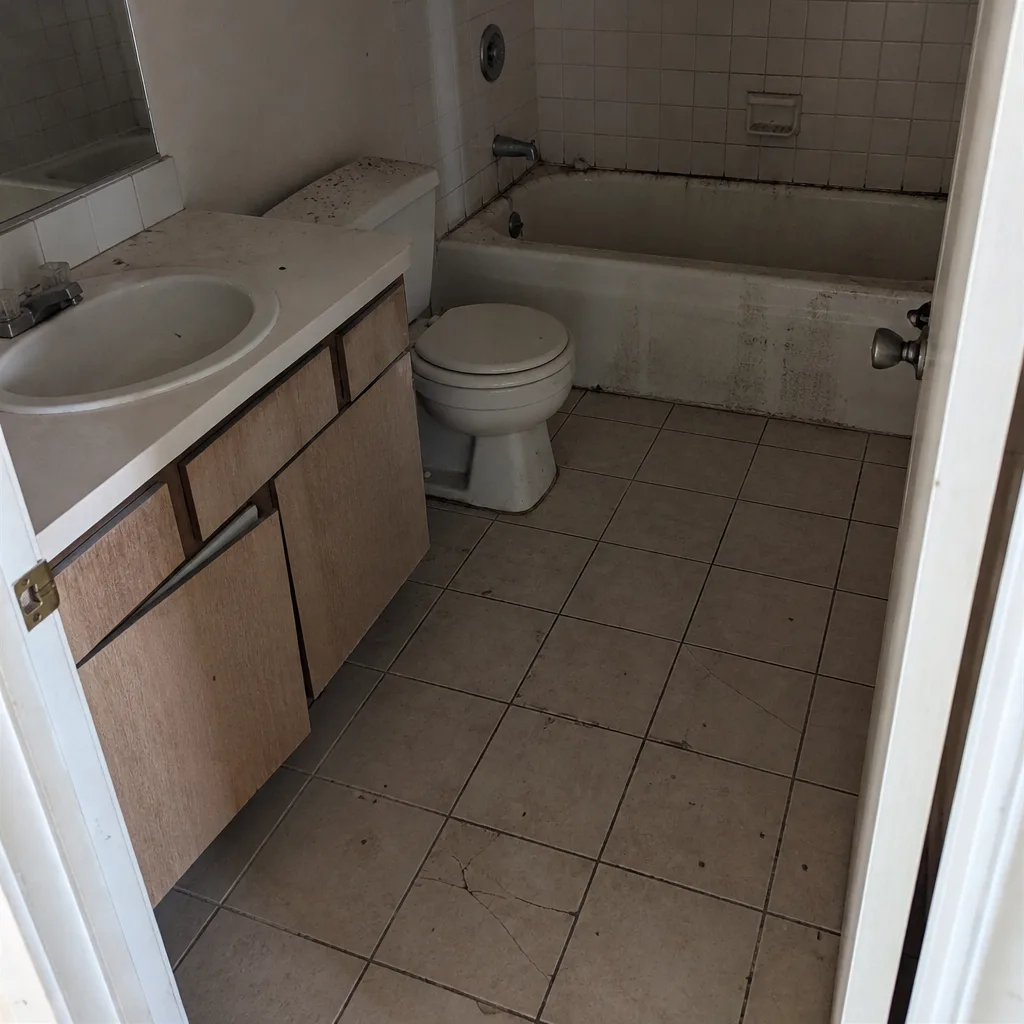 Before
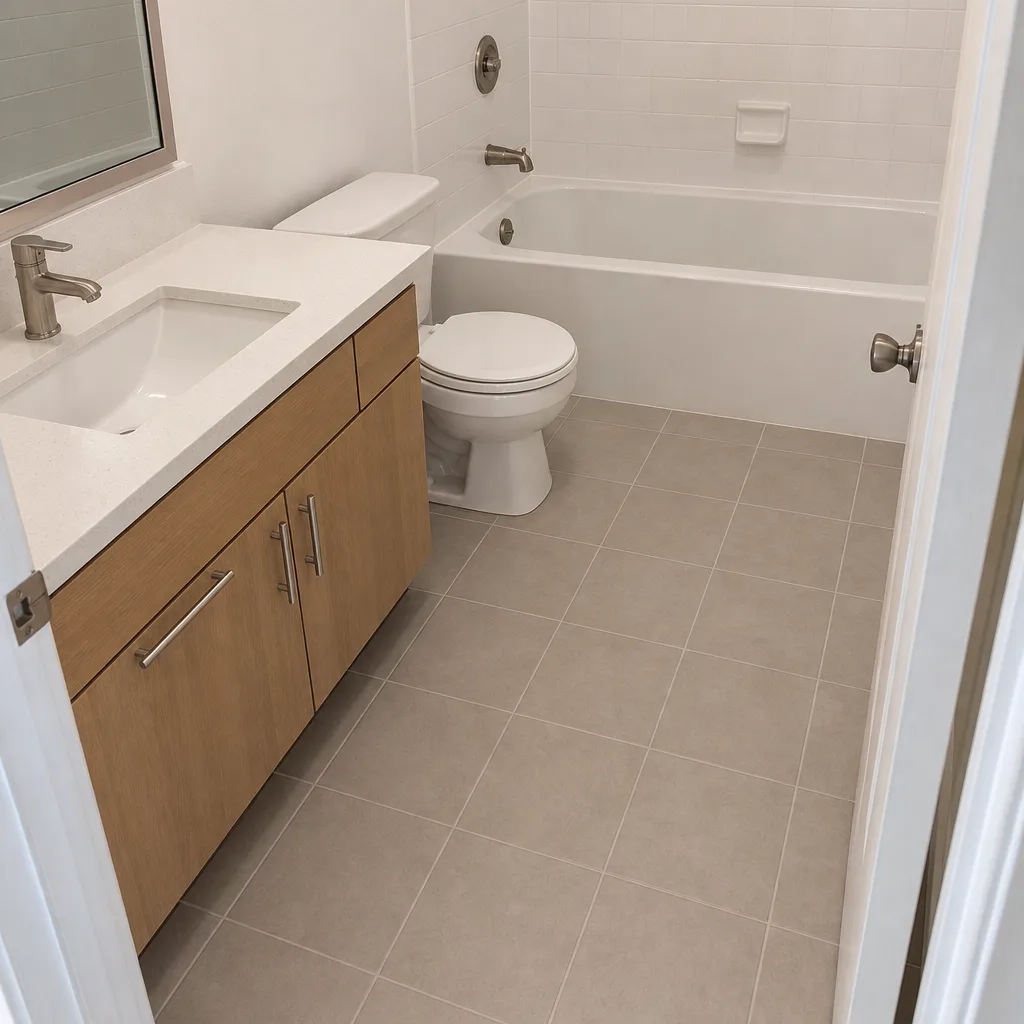 After
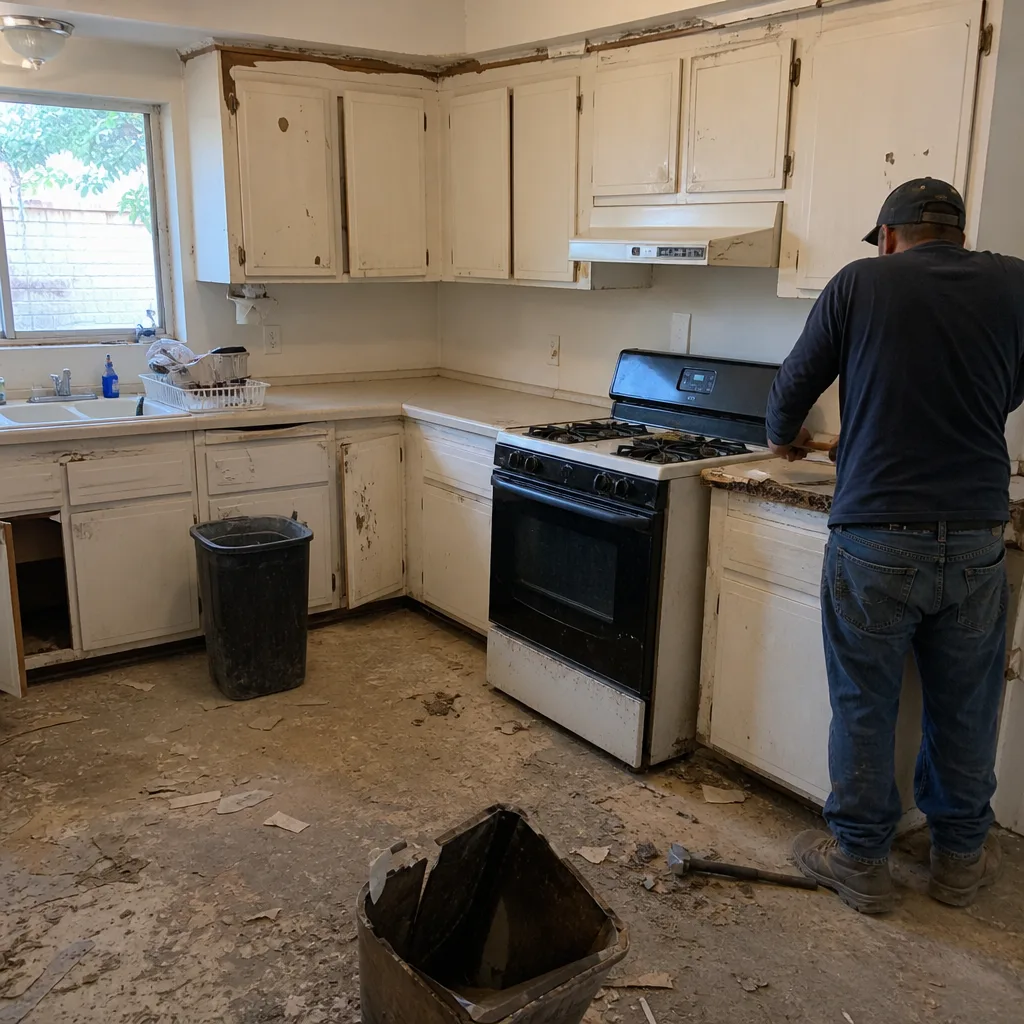 Before
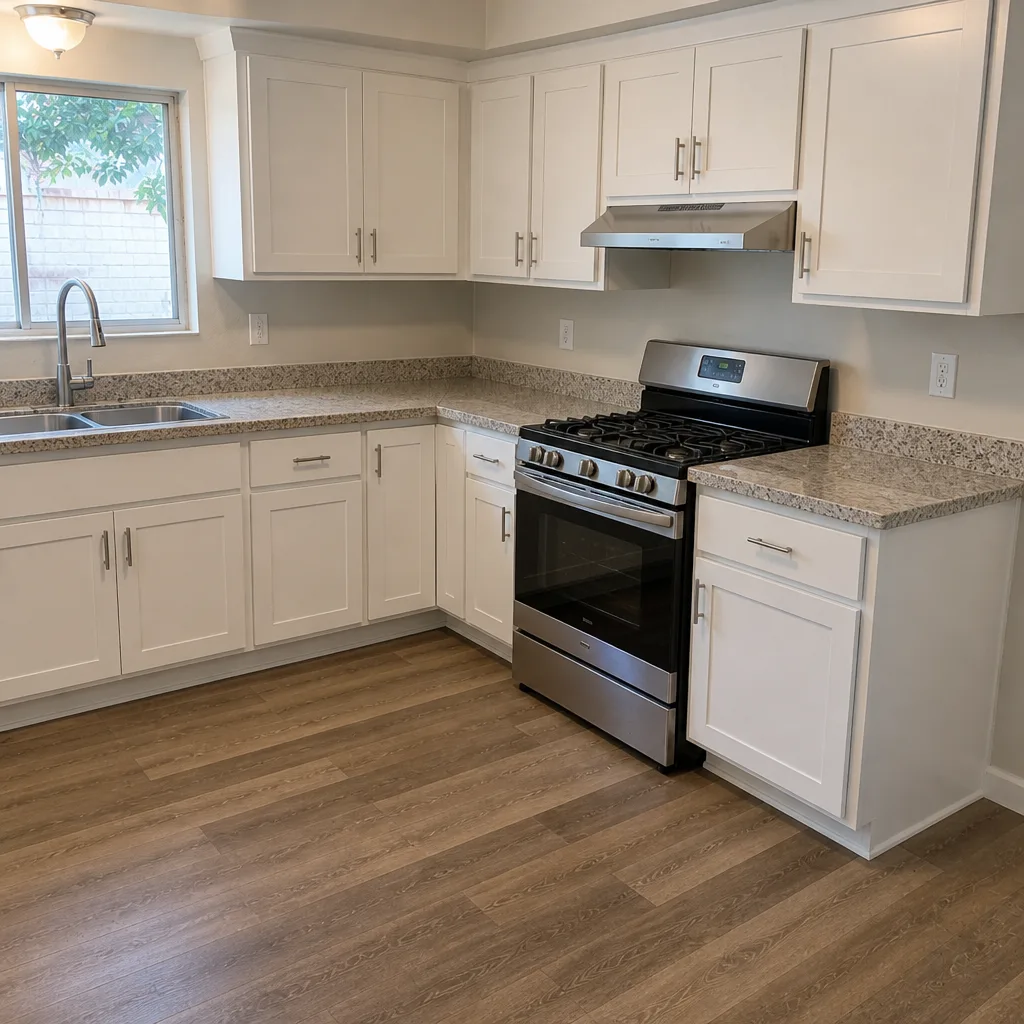 After
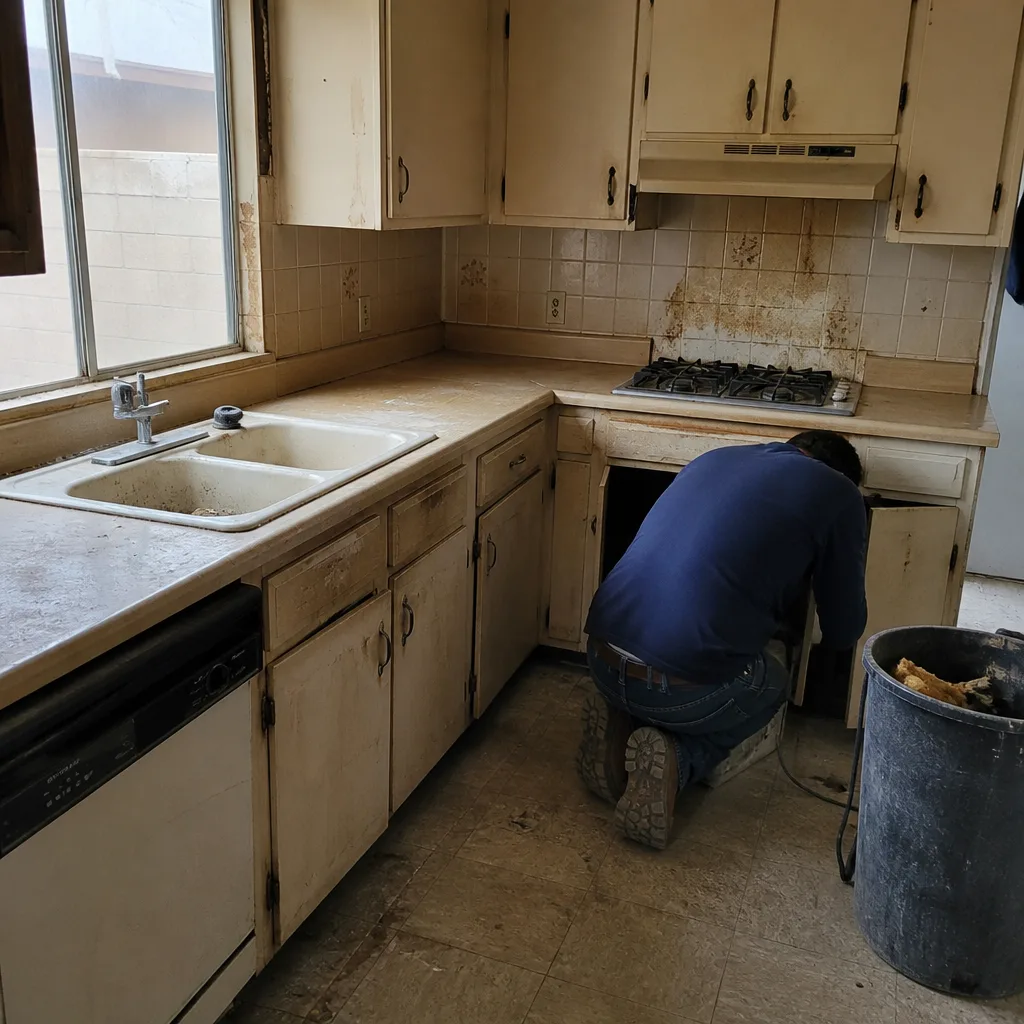 Before
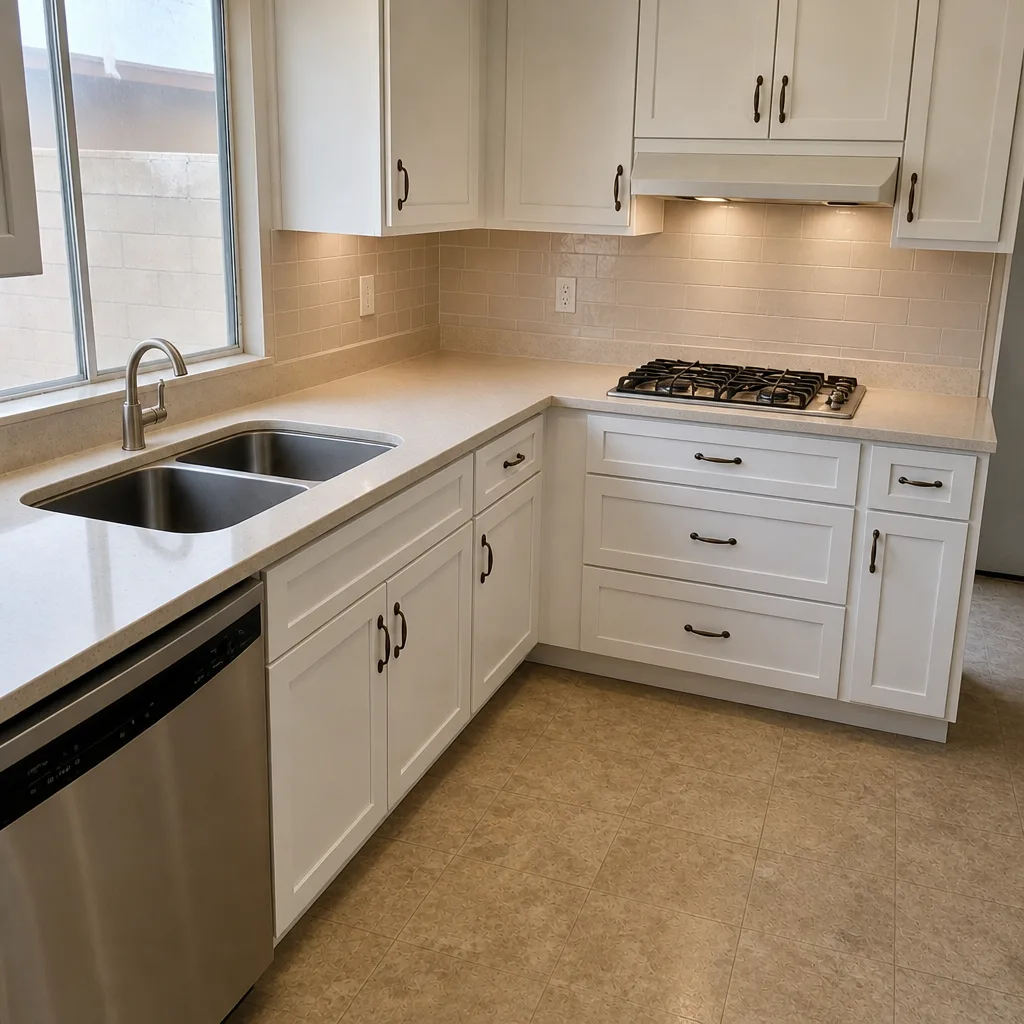 After
Common Mistakes to Avoid
- Assuming a small project doesn’t need a permit. Dollar amount isn’t the trigger in Clark County – project type is. A $400 electrical addition can require a permit; a $4,000 paint job doesn’t.
- Pulling an owner-builder permit and then selling within a year. The exemption is for your primary residence and creates disclosure friction at resale. Buyers’ agents in Henderson check.
- Skipping the written scope on a contractor-led job. If you’re self-performing finish work, get the split in writing before work starts – a verbal “sure, you can paint that” won’t protect you if the contractor’s insurance asks.
- Not telling your insurer about completed work. Major remodels should be reported to your carrier. Unreported work can affect coverage on a future claim even when the work was permitted and inspected.
- DIY electrical in a Henderson summer. Attic and garage work in July and August is a heat-illness risk on top of the permit exposure. If the work needs the attic, it needs a professional.
- Buying materials before the permit is pulled. Specification-grade materials (KraftMaid cabinetry, Cambria surfaces, Kohler fixtures) are often ordered to permit-approved dimensions. Buying first and permitting second leads to returns and rework.
- Treating “it passed when we sold the last house” as a rule. Permit requirements and disclosure rules tighten over time. What was fine in 2016 may flag a sale in Henderson today.
When to Call a Professional
Call a licensed contractor the moment a project touches a permit, a structural element, electrical beyond a like-for-like fixture swap, plumbing lines, or gas. That covers most kitchens and bathrooms, every addition, and any project where the work will be inspected. Call us sooner if you’re planning to sell within a few years – a licensed contractor who pulls the permit and passes inspection gives you a documentation trail your buyer’s agent will ask for. Call us immediately if you’ve already started work that needed a permit; retroactive permitting is far easier to manage before the walls close up than after escrow opens. Mason Remodeling Co Henderson offers free estimates in Henderson, and every estimate comes with a written price before any work starts – call (888) 325-9386.
Frequently Asked Questions
You can legally self-perform finish work with no permit requirement: painting, cabinet hardware, landscaping, closet systems, and non-structural hardscape. Anything that requires a building permit in Clark County – structural changes, new electrical circuits, plumbing line changes, gas work, additions – legally needs a licensed contractor in most cases. The permit requirement, not your skill level, is the deciding line.
Yes. Nevada homeowner’s policies routinely exclude damage caused by unpermitted or non-code-compliant work, and adjusters pull Clark County permit records as part of structural, electrical, and plumbing claims. A denied claim on a five-figure water loss is the most common insurance consequence we see from DIY plumbing in Henderson. If you’re considering permit-level work, call (888) 325-9386 for a free estimate – it’s the cheapest insurance you’ll buy.
Yes. Nevada seller’s disclosure requirements require sellers to disclose known unpermitted work, and Henderson buyers’ agents increasingly request permit documentation on additions completed after 2018. Undisclosed unpermitted work can lead to a stop-work order during escrow, retroactive permitting costs, a price reduction, or post-closing liability. The cleanest protection is a permitted project from the start.
Yes, within limits. Painting, cabinet hardware, storage systems, and landscaping finishing are commonly self-performed on a contractor-led project without affecting the contractor’s liability coverage – as long as the split is agreed in writing before work starts. Anything inside the permitted scope must stay with the licensed crew. Get the exclusion list in writing; it protects both sides.
Corrections typically run 2 – 3x the original project cost once you add retroactive permitting, opening walls for inspection, code corrections, and re-inspection. A DIY electrical circuit correction commonly runs $1,500 – $4,000; a self-installed water heater correction with water damage runs $2,000 – $4,500; a corrected DIY wall removal runs $8,000 – $15,000. Call (888) 325-9386 for an exact quote on permitted work – estimates are free, and the price is in writing before any tool is unpacked.
No, beyond a like-for-like fixture swap. Electrical work in Nevada requires a permit and a licensed electrician, both for safety and to keep your insurance coverage intact. A home’s electrical system carries real injury risk – a trained professional should handle anything involving a new circuit, a panel, a switch move, or wiring inside a wall. For the finish work around it, like painting and cabinet hardware, DIY is genuinely reasonable; for the wiring itself, call a licensed electrician.
The Bottom Line

The DIY-versus-hire line in Henderson isn’t about skill – it’s about permits, insurance, and resale. Paint, landscape, install cabinet hardware, and finish the storage systems yourself; those are safe, legal, and genuinely cost-saving. Leave electrical, plumbing, gas, and structural work to a licensed contractor who pulls the permit and passes inspection, because the correction cost on unpermitted work runs 2 – 3x the original job and the resale consequence follows the house. Every project we take on comes with a written price before work starts, background-checked and identity-verified technicians introduced by name and photo, and a 365-Day Done Right Promise – if the work isn’t right within a year of completion, we make it right at no cost. For a Kitchen Remodeling in Henderson or any permit-level project, call (888) 325-9386 for a free estimate, and start from Mason Remodeling Co Henderson home if you’d like to see how we run a project end to end.
Written by the team at Mason Remodeling Co Henderson.