Last updated November 18, 2026



Free written scope consultation - allowances, timeline, and change-order rules on paper before a single trade is scheduled
Construction Permits, Codes & Inspections in NV: What You Need to Know
If your Henderson address says “Henderson” but sits in an unincorporated Clark County pocket, your contractor may have just submitted your permit application to the wrong office, and you won’t find out until your project is already behind schedule. That’s not a scare tactic. We’ve watched it happen on remodels where the homeowner did everything right and the paperwork still went sideways. Jurisdiction in the Vegas Valley isn’t drawn along mailing-address lines. It follows parcel maps, and those maps don’t care what your mail says. This guide covers which office controls your Henderson property, how Nevada’s code adoption works, which permit types can run side by side, where mandatory inspection holds stop a job cold, and what owner-builder rules mean for your insurance and resale.
Quick Answer
In Nevada, your remodel permits come from whichever jurisdiction controls your specific parcel, not your city name. Properties inside Henderson city limits go through City of Henderson Building & Safety, while parcels in unincorporated Clark County pockets go through Clark County’s Department of Building & Fire Prevention (DCBP). Nevada has adopted the 2024 editions of the International Residential Code and International Building Code statewide, with Henderson layering local amendments on top. Pulling the wrong permit or skipping a required inspection hold can stall your project and complicate your resale.
Styles & brands we work with
- Kitchen remodeling
- Bathroom remodeling
- Home additions & ADU
- Roofing
- Windows & doors
- Driveway & pavers
- Fence
Table of Contents
- Which Office Controls Your Henderson Property?
- Nevada’s 2024 Code Adoption and Henderson Amendments
- The Permit Types Most Remodels Need
- Concurrent vs. Sequential Permits
- What Triggers a Mandatory Inspection Hold
- Owner-Builder Rules in Nevada
- Common Mistakes to Avoid
- Frequently Asked Questions
Which Office Controls Your Henderson Property?
This is the single question that trips up more remodels in the Henderson area than any other. The city and the county both have building departments, and both are competent. They simply don’t cover the same ground, and the boundary lines aren’t obvious from your street sign.
Here’s how the map breaks down in plain language:
- City of Henderson Building & Safety controls parcels inside the incorporated city limits, which covers most of the established neighborhoods: Green Valley, Anthem, Seven Hills, MacDonald Ranch, Calico Ridge, Lake Las Vegas, and the older downtown core near Water Street. If your property is inside city limits, this is your building department.
- Clark County DCBP controls unincorporated pockets that carry Henderson mailing addresses but sit outside city limits. These often appear in areas near the southern and eastern edges of the valley, along stretches of older rural roads, and in some pockets where annexation hasn’t caught up to development. A parcel can literally be across the street from a city-controlled lot and still fall under county jurisdiction.
The reason this matters is timing. If your contractor submits to the wrong office, the application sits in the queue, gets reviewed, and comes back rejected weeks later. On a kitchen or bath remodel, that rejection can push your start date by a month or more.
How to look up your parcel:
- Find your Assessor’s Parcel Number (APN) on your property tax bill or by searching the Clark County Assessor’s public records.
- Open the Clark County GIS parcel viewer and enter the APN. The viewer shows jurisdiction boundaries overlaid on the map.
- Cross-check by calling the City of Henderson Building & Safety line and asking whether the APN falls inside city limits. They’ll tell you directly.
- Write the jurisdiction on your project file and hand it to your contractor in writing before they pull anything.
In our experience, the neighborhoods where this confusion is most common are the transitional ones near the edges of the city, where older parcels and newer subdivisions meet. Our team at General Contractor in Henderson checks jurisdiction on every project before we touch the permit portal, because a ten-minute parcel lookup saves a month of delay.
Nevada’s 2024 Code Adoption and Henderson Amendments
Nevada adopted the 2024 editions of the International Residential Code (IRC) and International Building Code (IBC), along with related mechanical, electrical, and plumbing codes, effective at the state level. Local jurisdictions then layer their own amendments on top, and Henderson has done exactly that.
The 2024 IRC cycle is notable because it tightened several areas that hit remodels directly: energy efficiency requirements for envelope and fenestration, air sealing standards, and updated electrical provisions that affect panel and circuit work. If your contractor is still designing to the 2018 or 2021 cycle, your plans may get redlined on the first review.
Henderson-specific amendments we see most often in remodel reviews:
- Energy code alignment. Henderson enforces the state’s adopted energy provisions, so insulation, window ratings, and duct sealing on additions and major remodels need to be documented in the plans, not assumed.
- Wind and seismic detailing. Roof-to-wall connections and shear detailing on additions and major structural work follow local amendments that reflect the valley’s wind exposure. This rarely comes up on a bathroom remodel, but it always comes up on an addition.
- Fire and life safety for accessory structures. Detached garages, casitas, and covered patios need setbacks and egress that meet Henderson’s local amendments, which can differ from what a contractor working in unincorporated county areas is used to.
Our technicians have up to 22 years of experience reading plan sets against current local amendments. The practical advice: ask your contractor which code edition their drawings reference, and ask for that answer in writing. It’s not a trick question. It’s the first thing a plan reviewer will check.
If your project includes structural changes, roof work, or envelope upgrades, the roofing and hardscaping side of the project brings its own material decisions. We work with GAF, CertainTeed, and Owens Corning roofing systems and with Belgard and Techo-Bloc on outdoor hardscape, and each manufacturer has installation specifications that a plan reviewer will want to see matched.
The Permit Types Most Remodels Need
Residential remodels in Henderson usually touch one or more of four permit categories. Knowing which ones apply to your project keeps the review process predictable.
- Building permit. Required for structural changes, additions, wall removals, window and door changes that alter the envelope, and any work affecting egress or load paths. A cosmetic bathroom refresh may not need one; a bathroom remodel that moves plumbing fixtures or alters framing always does.
- Mechanical permit. Required for HVAC changes: new equipment, duct modifications, or relocation of a system. Mini-split installs count.
- Electrical permit. Required for new circuits, panel changes, service upgrades, and any work inside the panel. In Henderson and across Nevada, electrical work in a panel is the most dangerous part of a remodel, and it’s not a homeowner project, even for experienced DIYers. Panel work involves live conductors and arc-fault risk. Use a licensed electrician and make sure the permit is pulled before anyone opens the panel cover.
- Plumbing permit. Required for fixture relocation, new drains, water heater replacement, and gas line work. Gas line work is in the same category as panel work: dangerous, code-specific, and not appropriate for DIY. If you smell gas or suspect a leak, stop and call the gas utility, then a licensed plumber.
Many Henderson-area remodels need two or all four at once. A typical bath remodel might need a building permit, a plumbing permit, and an electrical permit. A kitchen remodel that relocates a range might need all four.
Concurrent vs. Sequential Permits
Not all permits move in parallel. Some run concurrently, and some must run in sequence. Getting the order wrong is a common source of delay.
Concurrent: Building, mechanical, electrical, and plumbing (BMEP) permits for a single project are typically submitted together and reviewed in parallel, especially on a combined residential remodel application. This is standard for Henderson remodels and for county-served parcels alike.
Sequential: Some steps must happen in order, regardless of jurisdiction:
- Plan review before permit issuance. Structural, architectural, and envelope changes go through plan review first. You can’t pull a building permit until the plans pass.
- Permit issuance before work. No demolition, framing, or electrical rough-in can start before the permit is issued and posted.
- Rough-in inspections before cover-up. Framing, electrical rough-in, and plumbing rough-in must be inspected before drywall closes the walls.
- Final inspections before occupancy. Final building, electrical, mechanical, and plumbing inspections must pass before the space is legally occupied, and before the permit can be closed.
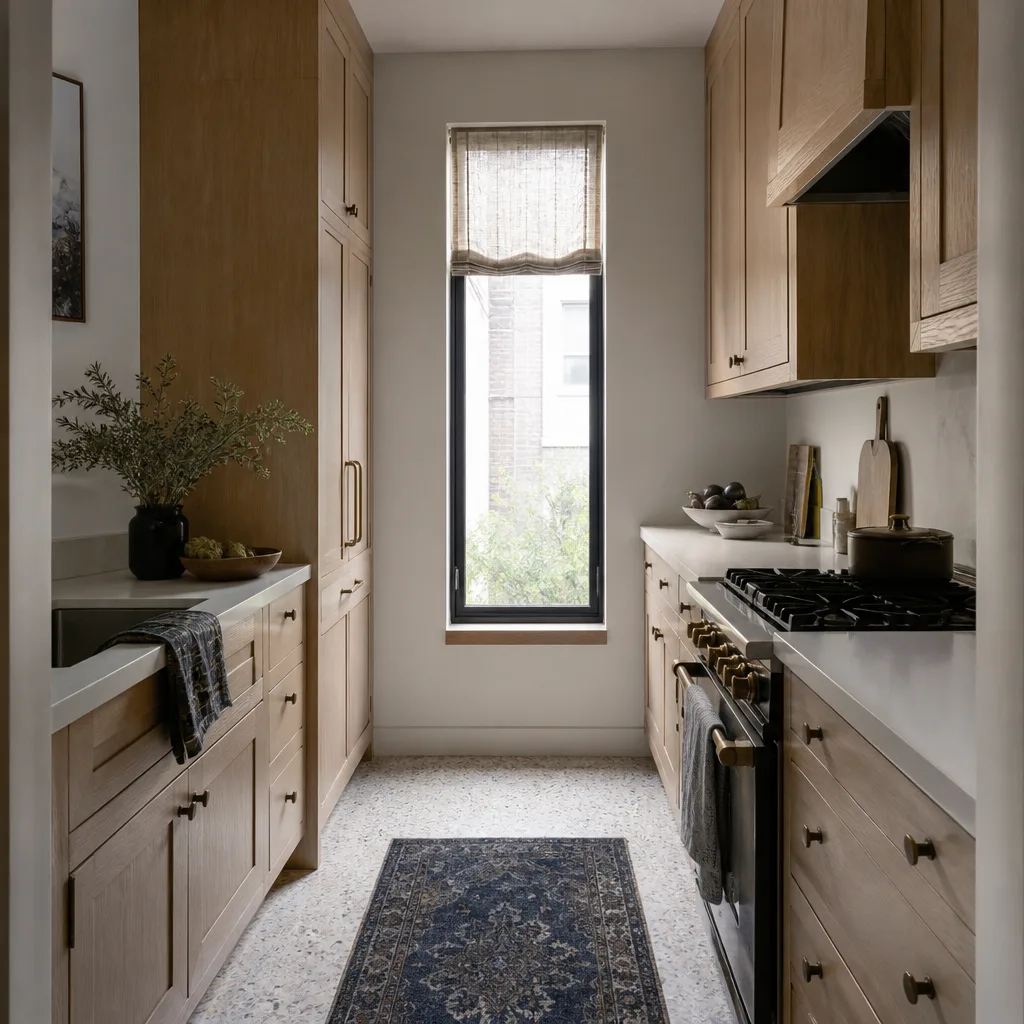
If you’re doing work that involves a room addition, the sequence extends further, with a foundation inspection and a separate framing inspection added to the front end. Our Kitchen Remodeling in Henderson projects almost always combine a building permit with a plumbing and electrical permit, and we schedule rough-in inspections as they come due rather than batching them at the end.
What Triggers a Mandatory Inspection Hold
An inspection hold is a legal stop. Work cannot proceed past that point until an inspector signs off. There are five standard holds in a Henderson residential remodel:
- Foundation hold. Before concrete is poured, the forms, rebar, and anchor bolts are inspected. Pouring concrete before a foundation inspection fails the pour, and remediation is expensive.
- Framing hold. Once framing is complete and before any insulation or drywall is installed, a framing inspector checks the structure, shear detailing, and fastening. This is the single most important hold on a structural remodel.
- Rough-in hold. Electrical, plumbing, and mechanical rough-in must be inspected before the walls close. We’ve seen projects where drywall went up before rough-in inspection, and the remedy is opening walls back up.
- Insulation and energy hold. Insulation inspection confirms the installed R-value matches the plan, which matters more in Henderson’s climate due to summer cooling loads than it does in milder parts of the country.
- Final hold. Final building, electrical, plumbing, and mechanical inspections, plus any local requirements (smoke and CO alarm verification, for example), must all pass before the permit is closed.
What happens if a hold gets skipped? Short term, the inspector can require that work be reopened or undone for inspection. Long term, the permit can’t be closed with the permit status showing open, and an open permit typically surfaces during a resale disclosure or a lender’s title search. A skipped hold can also affect a workmanship warranty, because most written guarantees and most insurance policies limit coverage to work that was inspected and permitted as installed. For a homeowner, that’s the real cost of a shortcut: not the inspection itself, but the coverage that a legal hold was designed to guarantee.
At Mason Remodeling Co Henderson, every project gets a written price before any work starts, and the inspection schedule is part of the plan, not an afterthought. Our crews treat inspection holds as mandatory stops, and every finished project is covered by the 365-Day Done Right Promise, which is our written guarantee that if the work isn’t right within a year of completion, we make it right at no cost.
Owner-Builder Rules in Nevada
Nevada allows homeowners to pull permits as an owner-builder for work on their own primary residence. That’s a real right, and some homeowners exercise it. It’s also a decision that affects insurance and resale, and the trade-offs deserve a plain look.
What you can legally pull yourself:
- Permits for work on your own residence, where you’ll occupy the finished space and you don’t plan to sell the property within a set period after completion.
- Work you will personally perform, or work you’ll supervise. Nevada restricts owner-builder status to homeowners who are not acting as a contractor for hire.
Insurance and resale consequences:
- Insurance. Some homeowner policies add limitations or exclusion for owner-builder permitted work if a claim arises from construction defects. If you’re pulling your own permits on a structural or envelope change, check with your carrier before you start.
- Resale. Lenders and title companies review permit history. An open permit, an owner-builder permit with no final sign-off, or a missing inspection record can hold up a sale, sometimes for weeks.
- Warranty. A written workmanship guarantee from a licensed contractor typically doesn’t transfer to owner-builder work. You keep the risk on your own balance sheet.
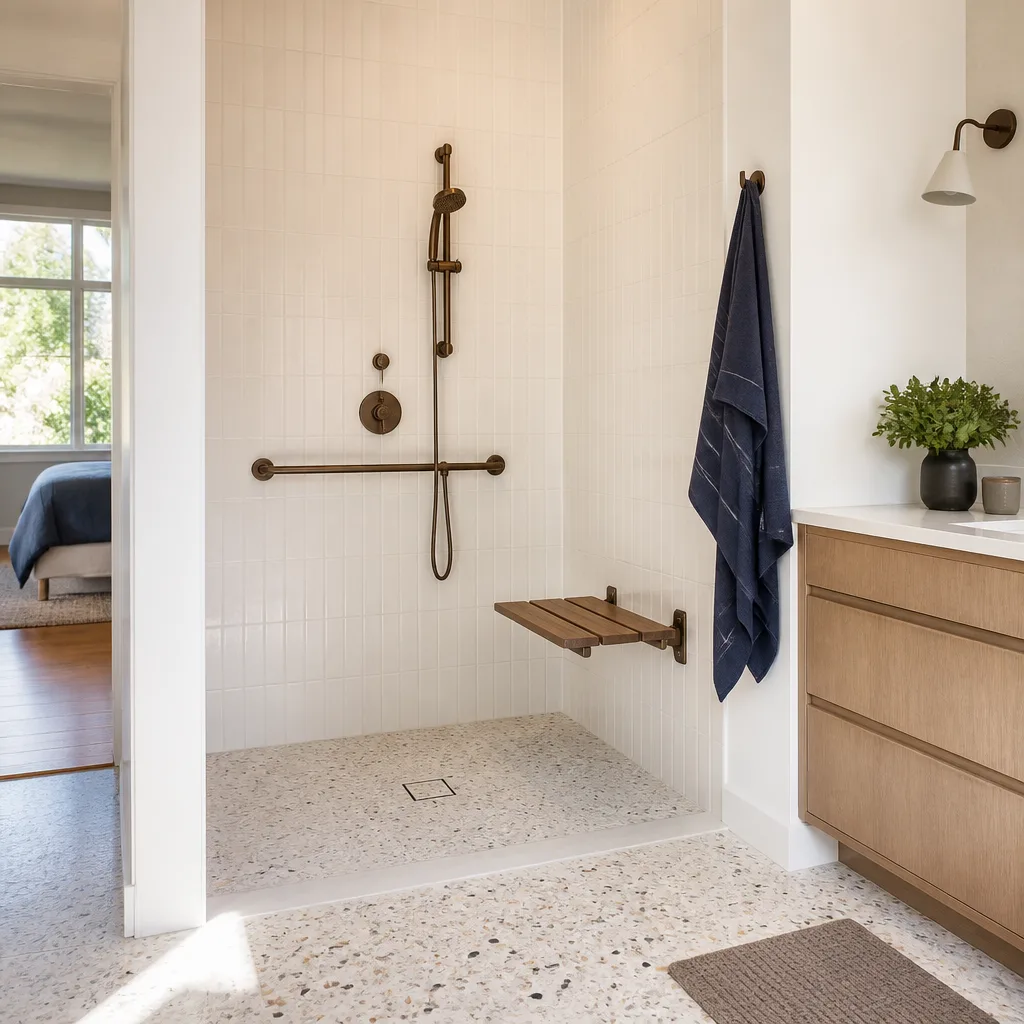
There’s also a practical caution. Even a capable homeowner with a well-stocked garage shouldn’t self-perform panel changes, gas line work, or high-tension garage door spring replacement. Those involve arc-fault risk, gas safety, or stored mechanical energy. Do the design and finish work if you have skill for it, and hire a licensed trade for the dangerous parts. Our Bathroom Remodeling in Henderson projects always involve electricians and plumbers who understand the code and the inspection process.
Common Mistakes to Avoid
- Assuming your mailing address equals your jurisdiction. A parcel lookup takes ten minutes, and it’s the single most common source of Henderson-area project delay. Have your APN in hand before your contractor pulls anything.
- Skipping plan review for “small” structural changes. Removing a wall that looks non-load-bearing without a plan review can turn into a full redraw if a header or beam turns out to be required. Get the review, even when the change feels minor.
- Assuming a 2018 or 2021 code cycle. Nevada adopted the 2024 IRC and IBC. Plans that reference older editions get redlined, and re-review takes time.
- Closing walls before rough-in inspections. The most common resequencing error we see. Opening drywall back up is expensive, and it delays the schedule far more than a scheduled inspection would have.
- Overestimating owner-builder savings. The permit fee you save is small compared to the resale and insurance friction if a final sign-off is missing. Run the numbers with your carrier before you decide.
- Waiting until resale to close out open permits. A title company will find an open permit eventually. Closing it during a sale is harder than closing it during construction.
- Assuming your contractor knows every boundary. A contractor fluent in city jurisdiction may be unfamiliar with county rules three miles away. The parcel lookup protects both of you.
Our team follows The Threshold Standard on every project, which means every crew member is background-checked, identity-verified, arrives in a clean marked uniform, and shows a photo ID badge at the door. You’ll know who’s coming, by name and photo, before any work begins. On a project that involves inspections, that level of accountability matters, because the person on the other side of the inspection is the person working on your home. Learn more at Mason Remodeling Co Henderson home.
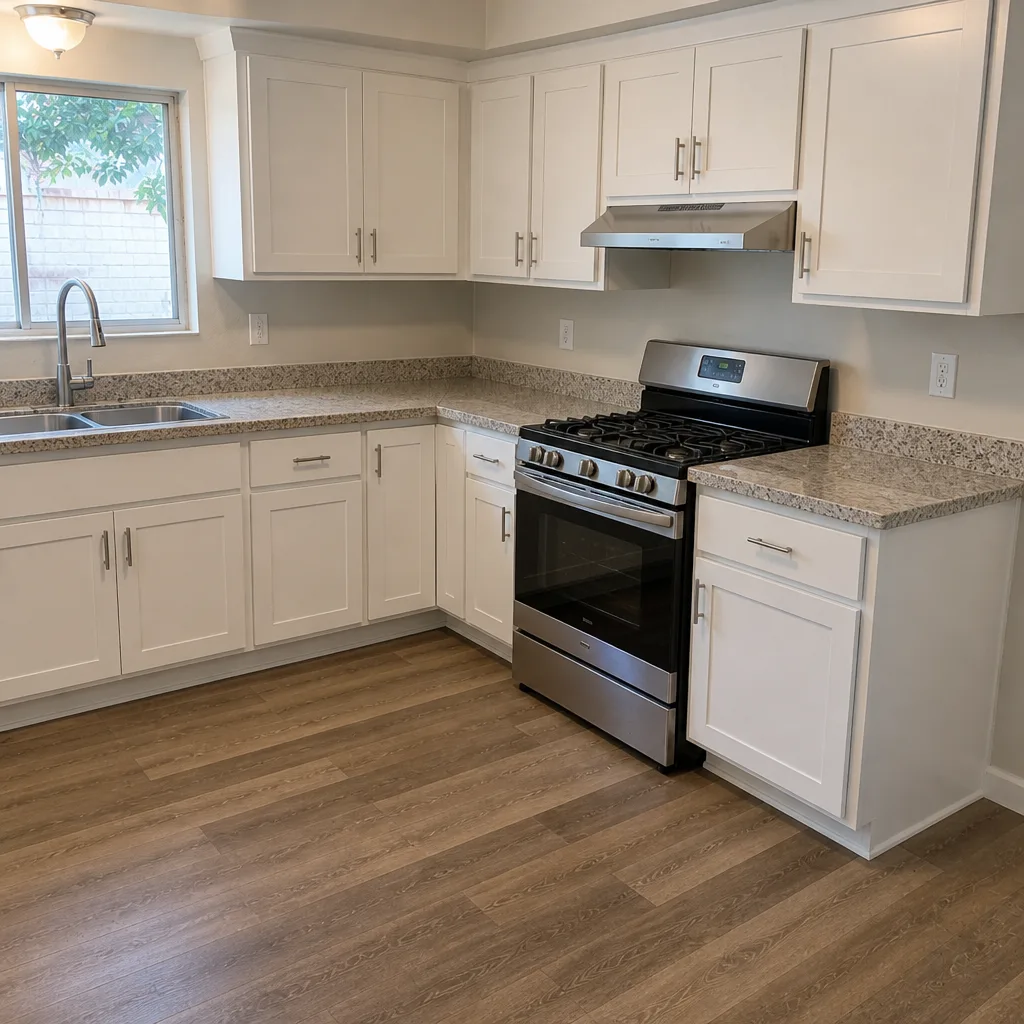
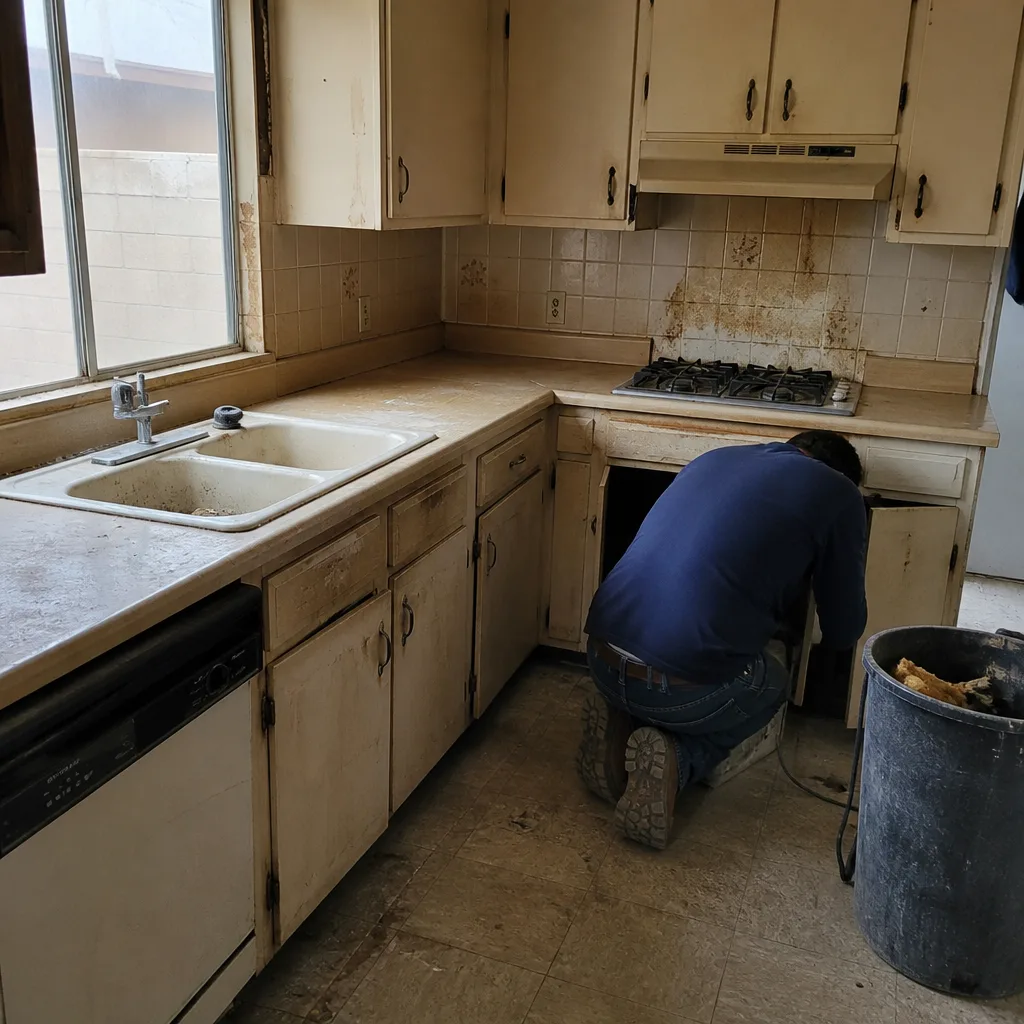
See the difference
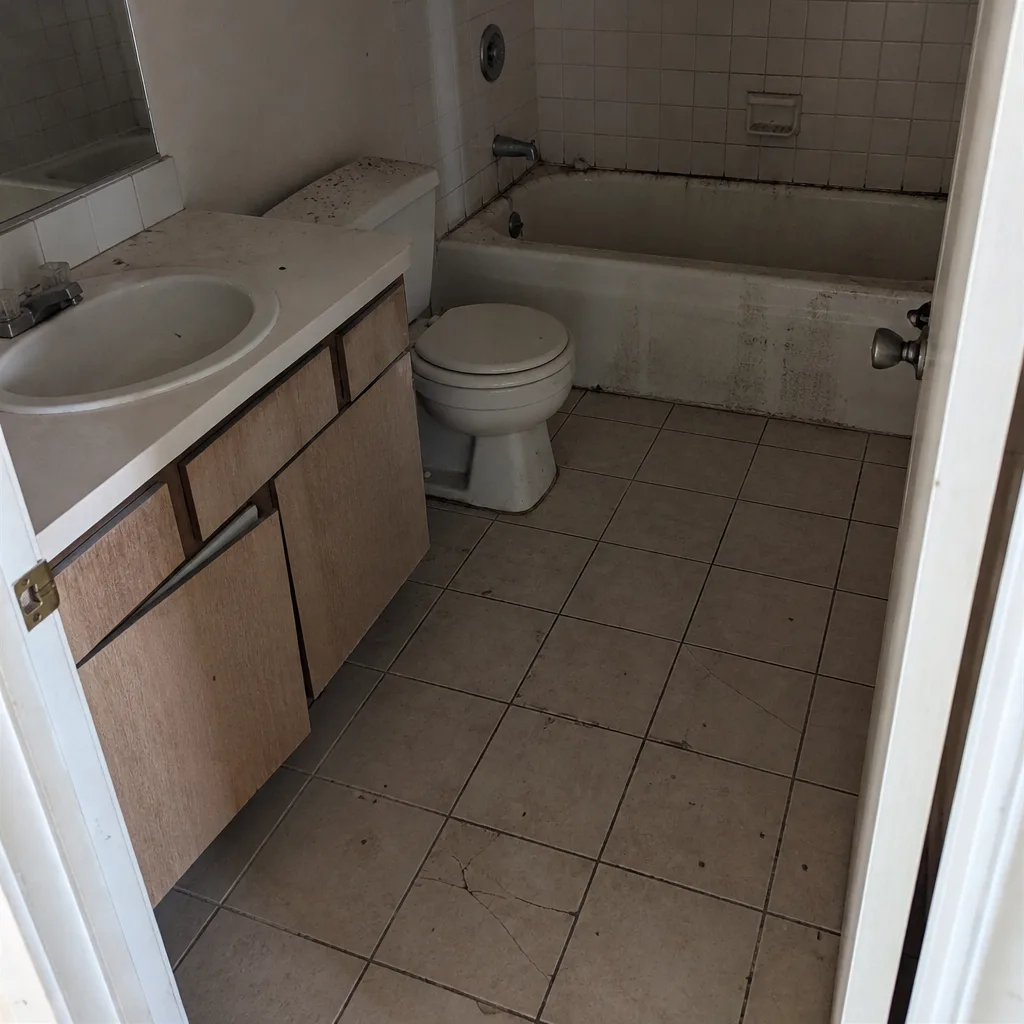 Before
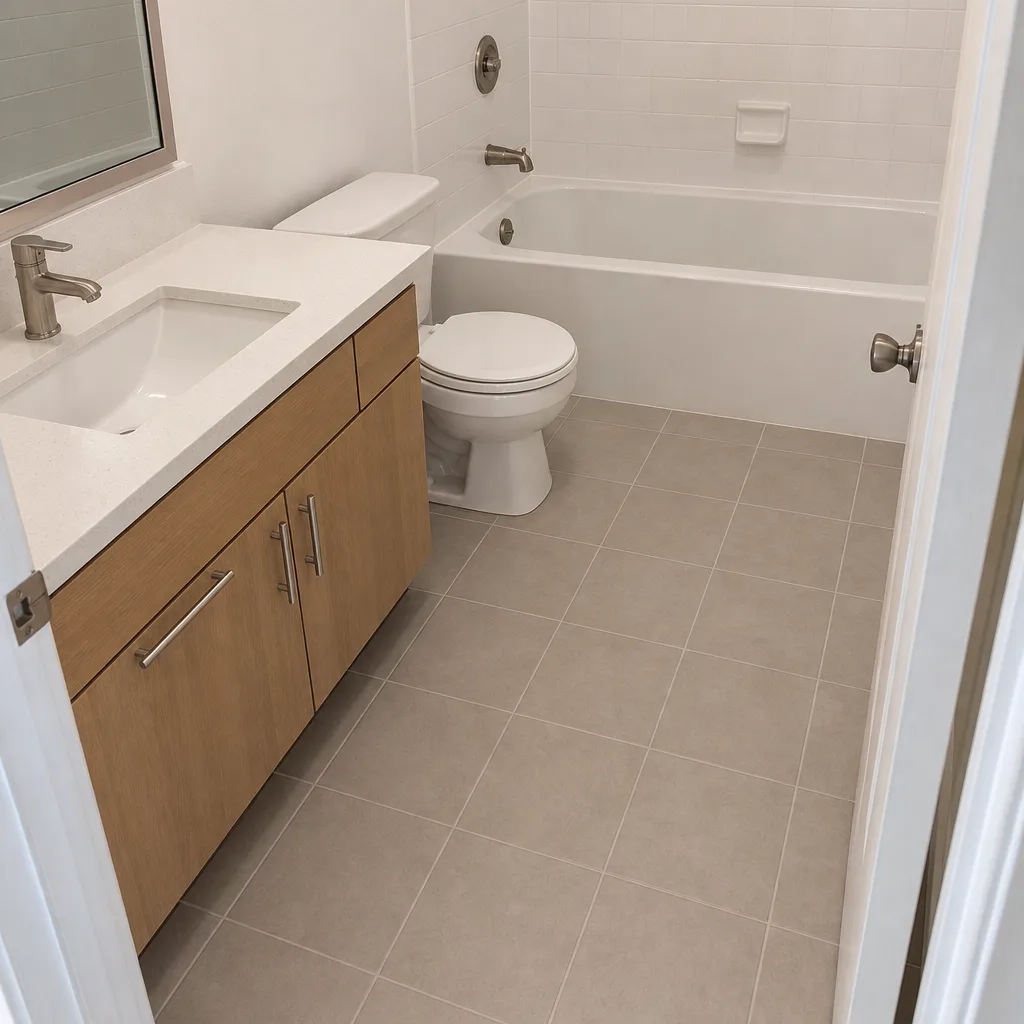 After
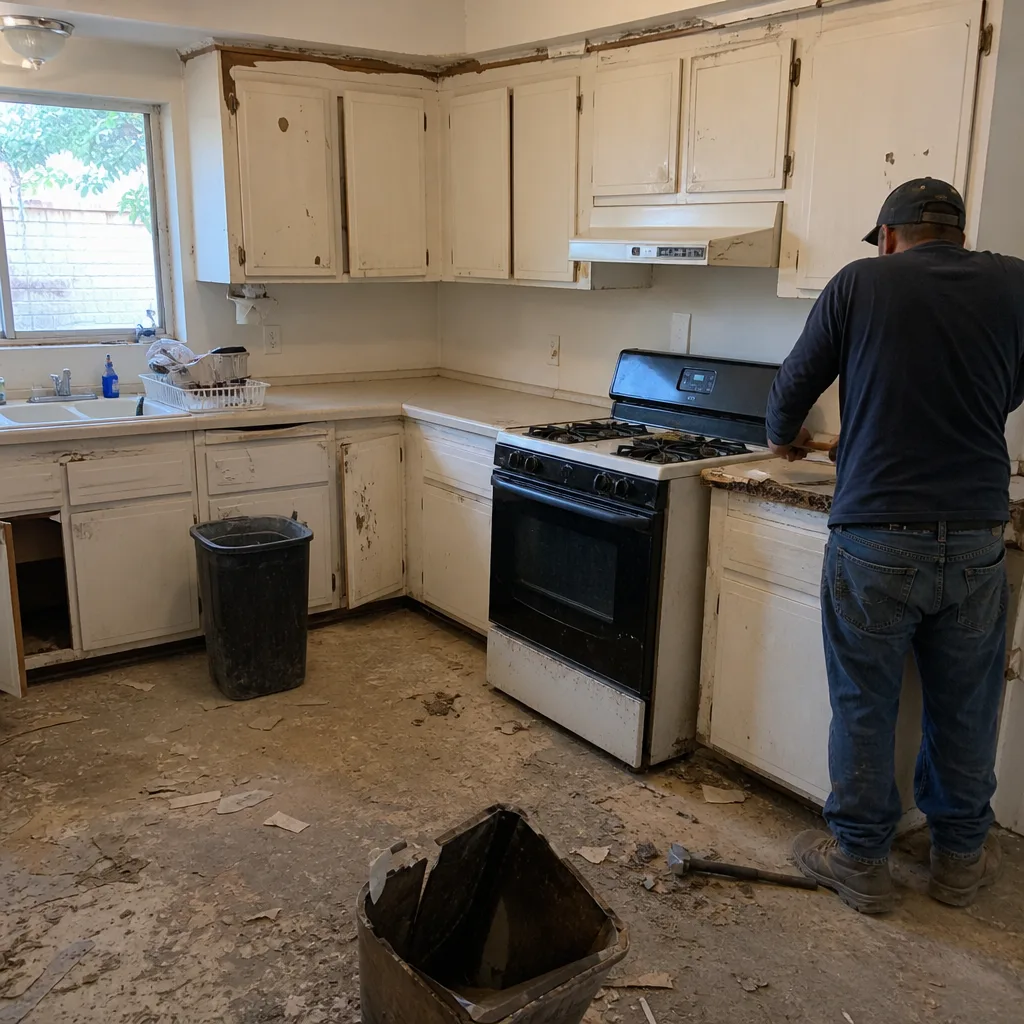 Before
 After
 Before
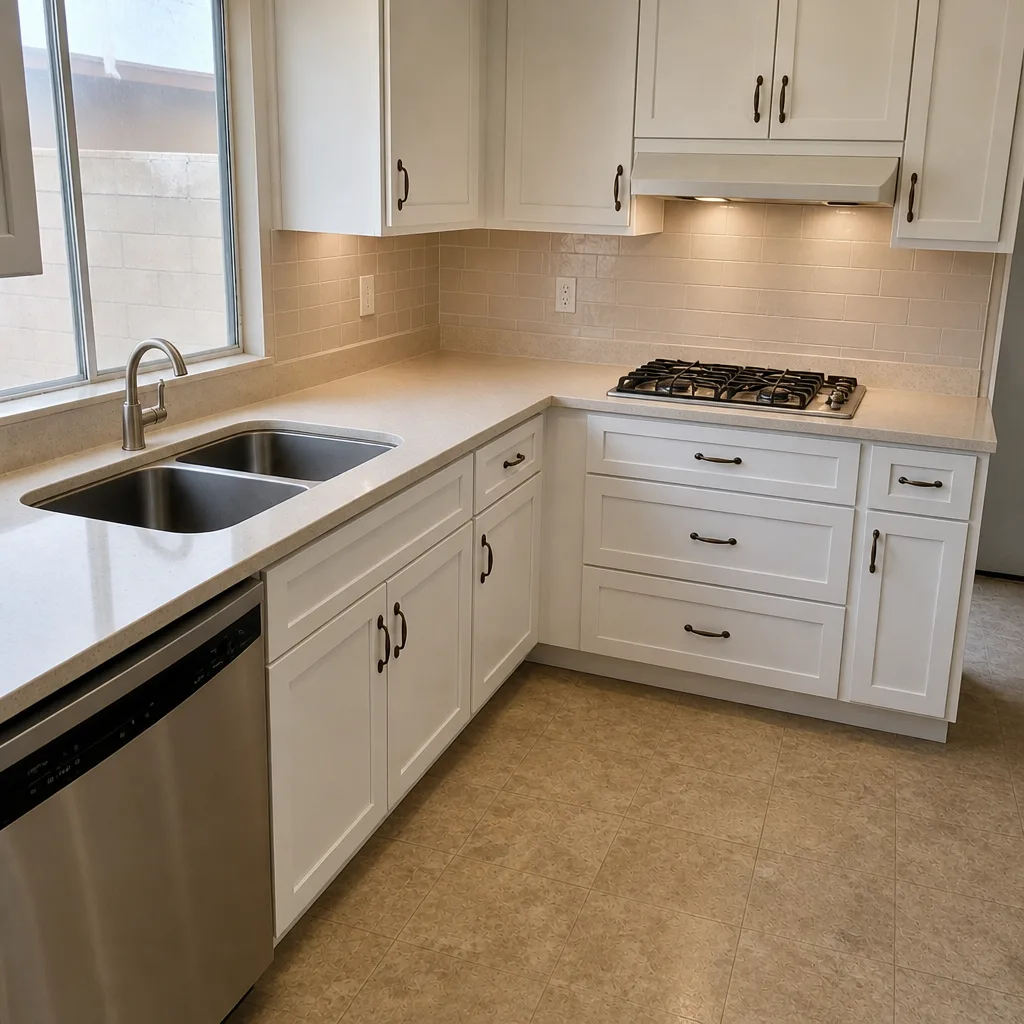 After
When to Call a Professional
Call a licensed professional when your project involves any work that triggers a permit, any change to the electrical panel or gas line, any structural alteration, or any work inside a wall. Those categories aren’t about skill level. They’re about code, inspection, and safety. Panel work carries arc-fault and electrical shock risk that kills people every year, gas line work carries explosion and carbon monoxide risk, and structural work carries load path risk that doesn’t show up until years later. Hire a licensed trade for those categories and ask for the permit in writing before work starts. Mason Remodeling Co Henderson offers free estimates in Henderson, and we’ll tell you on the first call which permits your project needs and which jurisdiction controls your parcel. Call (888) 325-9386. A live person answers every call, every day of the year, including weekends and holidays.
Frequently Asked Questions
Look up your Assessor’s Parcel Number and enter it into the Clark County GIS parcel viewer, which overlays jurisdiction boundaries on the map. Then call City of Henderson Building & Safety with the APN and ask whether it’s inside city limits. In our experience a ten-minute lookup avoids a month of delay. Call (888) 325-9386 for a free estimate, and we’ll walk you through the lookup before we pull anything.
Nevada adopted the 2024 editions of the International Residential Code and International Building Code statewide, and Henderson layers local amendments on top of the state adoption. The amendments that hit remodels hardest are energy provisions for envelope and fenestration, wind detailing on additions and structural work, and fire and life safety for accessory structures. Ask your contractor which code edition their drawings reference, and get the answer in writing. Call (888) 325-9386 for a free estimate.
At Mason Remodeling Co Henderson, no. We deliver a written price before any work starts, on every project, and that written price is standard, never an upgrade. Change orders do happen when a homeowner requests a change, but a price that grows because a contractor underestimated the job shouldn’t land on your invoice. Call (888) 325-9386 for a free estimate.
Nevada allows homeowners to pull permits as an owner-builder for work on their own primary residence, with restrictions. The trade-offs are insurance limitations on owner-builder work, resale friction from an open or unfinaled permit, and no written workmanship guarantee from a licensed contractor. If your project involves your electrical panel, gas line, or structural framing, hire a licensed trade regardless of your owner-builder status. Call (888) 325-9386 for a free estimate.
The inspector can require that work be reopened or undone so it can be inspected, and the permit can’t be closed with the hold showing open. An open permit typically surfaces during a resale disclosure or a lender’s title search, and a skipped hold can affect a workmanship warranty. The real cost of a skipped hold isn’t the inspection fee, it’s the coverage. Call (888) 325-9386 for a free estimate.
Yes. Permit pulls, plan review coordination, and inspection scheduling are part of every project, and we deliver a written price before we touch the portal. Our technicians have up to 22 years of experience reading plan sets against current Henderson and Clark County amendments. Call (888) 325-9386 for a free estimate.
The Bottom Line
Permit confusion in the Henderson area is rarely a paperwork problem. It’s a jurisdiction problem. City, county, and unincorporated pockets all have competent building departments, and the boundaries between them follow parcel maps, not mailing addresses. Look up your APN, confirm which office controls your parcel, and hand that answer to your contractor before they pull anything. Reference the 2024 IRC and Henderson’s local amendments, respect the five standard inspection holds, and understand the insurance and resale risk of owner-builder permits before you decide. For projects involving your panel, gas line, or structural framing, hire a licensed trade and get the permit in writing. Mason Remodeling Co Henderson offers free estimates on every project, with a written price before any work starts, a photo ID badge at the door, and a 365-Day Done Right Promise. Call (888) 325-9386 to schedule your free estimate.
Written by the team at Mason Remodeling Co Henderson.