
Last updated November 18, 2026








Free written scope consultation - allowances, timeline, and change-order rules on paper before a single trade is scheduled
Home Remodeling Troubleshooting: Common Problems and How to Fix Them
The most expensive moment in a remodel usually isn’t the tile you hate or the cabinet that arrived damaged. It’s the week you spent waiting to see if the contractor would handle it on his own. In our experience across Henderson, the homeowner who documents a problem on the day they find it and puts it in writing within 24 hours almost always gets it resolved. The one who waits until the final walkthrough is the one filing a complaint. This guide is a decision tree for that first moment: what to photograph, what to write, who to tell, and when to escalate. We’ll also cover how to tell a defect from a change-order fight from a real contract breach, and what a second contractor’s written assessment needs to include to actually help you.
Quick Answer
When a remodel goes wrong, the order is fixed: document first with dated photos and a written description, then communicate in writing (not by phone), then escalate to a formal notice, a licensing board complaint, or small claims only after those first two steps are on record. Most disputes are won or lost on the quality of that documentation, not the size of the problem.
Styles & brands we work with
- Kitchen remodeling
- Bathroom remodeling
- Home additions & ADU
- Roofing
- Windows & doors
- Driveway & pavers
- Fence
Table of Contents
- The 5-Step Response Protocol When You Find a Problem
- Defect, Change Order Dispute, or Contract Breach: Which One Do You Have?
- Filing a Complaint With the Nevada State Contractors Board
- The Payment Leverage Moment: What to Do When Work Is Defective and Payment Is Due
- Getting a Second Contractor’s Written Assessment
- The Most Common Remodel Problems and How They Get Fixed
- How to Prevent Problems Before They Start
The 5-Step Response Protocol When You Find a Problem
The day you notice a problem is the strongest your claim will ever be. Every day after that, the other side gets more time to build an explanation, finish the work over the top of the defect, or argue the problem predated their scope. Here’s the order we recommend to every homeowner we work with in Henderson.
- Stop and photograph on the day of discovery. Take wide shots showing the room and close shots showing the defect. Include something that dates the photo – a phone’s timestamp is enough. Do not move materials or clean up to get a better angle until the photos are taken.
- Write a plain description the same day. One or two paragraphs: what you see, where it is, when you first noticed it, and what it looks like compared to the scope of work. Keep it factual. “Grout in the hall bath has cracked along the north wall, roughly eight feet of run, noticed the morning of the 14th” is useful. “The tile guy did a terrible job” is not.
- Send it in writing within 24 hours. Email or text, not a phone call. Reference the contract. Ask for a response in writing within an agreed window, five business days is reasonable. A phone call that “we discussed it” is worthless in a dispute.
- Keep a running log. Every in-person conversation, every promise, every date. Reread your contract for the notice provision – some contracts require written notice within a specific number of days, and missing that window can weaken a legitimate claim.
- Escalate only after documentation is complete. If the response is inadequate, the next step is a formal written notice of the problem and your requested remedy. Only after that does a licensing board complaint or small claims filing make sense.
One more thing: never let a crew “just fix it quickly” without a record of what was wrong and what was done. Paper trail first, repair second. A real professional won’t mind – our own crews expect it. It’s part of how we run projects in Henderson.
Defect, Change Order Dispute, or Contract Breach: Which One Do You Have?
These three get lumped together, but they’re handled by different processes and need different paperwork. Getting the category right on day one saves months. Here’s the distinction laid out plainly:
- A defect is work that doesn’t meet the standard the contract promised – a shower that leaks, a door that doesn’t latch, a floor that’s out of level. What you need: the contract scope language, dated photos, and ideally a written assessment from another licensed pro saying the work is wrong and why.
- A change order dispute is a disagreement over whether something was in the original scope or was added later. What you need: the signed change order, the original contract, and any written communication about the addition. If there’s no signed change order, the dispute is usually about who agreed to what – and that’s where timestamps help.
- A contract breach is a failure to perform the contract as written – work stopped, a deadline blown by weeks without justification, a payment demanded for work not done. What you need: a copy of the contract, your payment records, and a written timeline of what was promised versus delivered.
In our experience, most homeowner complaints that eventually turn into formal disputes started as a change order disagreement that nobody wrote down. The fix is unromantic: put every conversation about scope in writing, even a text confirming “so we’re clear, the extra outlet in the hallway is included in the price we agreed on Tuesday.”
Why This Matters in Henderson
Henderson homes span a wide range of construction eras, and the original work in a home built decades ago often isn’t up to current standards in ways that surface only mid-remodel. We’ve seen plenty of projects where a wall opened up to reveal framing or plumbing that nobody could have predicted from the outside. Whether that’s a defect or a hidden condition requiring a change order depends entirely on what the contract said and what was documented. If the scope was written clearly and the discovery was documented the day it happened, the conversation is manageable. If neither happened, it isn’t.
Filing a Complaint With the Nevada State Contractors Board
The Nevada State Contractors Board investigates complaints against licensed contractors, and it’s often the right lever when an unlicensed problem or a serious workmanship issue can’t be resolved directly. Filing is free, and you can do it online. Here’s what it accomplishes and what it doesn’t.
What it does: It gets a licensed contractor’s work examined by an investigator, puts your complaint on the record, and can result in a citation, a required correction, or in serious cases action against the license. It also creates an official paper trail, which matters if you later end up in court.
What it doesn’t do: It is not a court. It doesn’t award you damages or force the contractor to refund a specific dollar amount. It’s slow – it can take weeks or months to work through, and the result may be a required repair rather than the outcome you wanted. It also isn’t a substitute for pursuing money you’re owed, which usually means small claims or civil court.
Small claims court in Nevada handles money claims up to a statutory limit (check the current figure for the county where you’d file, since it changes), moves faster than a full civil suit, and lets you present evidence directly. It does not have the power to discipline a license. So the two tools do different jobs: the Board regulates the contractor, the court resolves the money. If the licensing question is central – for example, whether the contractor was even licensed for the work – you may need the Board. If the question is “they owe me $4,200 for a job never finished,” small claims is usually the more direct route.
One practical note we always give: get your documentation packet finished before you file either one. Investigators and judges read a clean packet – contract, payment records, dated photos, written complaints, written responses – in minutes. A messy pile of texts read in court often gets lost.
The Payment Leverage Moment: What to Do When Work Is Defective and Payment Is Due
This is the hardest juncture for most homeowners. You’re being asked for a payment on work you believe is wrong, and you want to hold the check until it’s fixed. That instinct can be right – or it can cost you. Here’s the rule: withhold payment only with a written justification in hand, sent before the payment was due. Withholding without written justification can be treated as a breach on your part.
Here’s what we recommend, in order:
- Read your payment schedule. Payments are almost always tied to milestones, not dates. If the milestone isn’t met, the payment isn’t due – that’s my strongest position and it comes straight from the contract, not a negotiation.
- Put the defect in writing before payment is due. “We are not releasing the milestone payment until the following items are corrected: [list]. We’re happy to pay within two business days of verified correction.” That’s a position, in writing, on the record.
- Offer a reasonable path. A written list, a written response, a reinspection. The goal is a fixed project, not a stalemate. Documented willingness to pay is what keeps you looking reasonable if this ever gets reviewed.
- Never make a verbal-only withholding threat. “I’m not paying until it’s fixed” said on the driveway is worth nothing in a dispute. Said in writing before the payment date, it’s leverage.
A written price before work starts, and a written change procedure, are the two things that make this moment survivable. It’s a big part of why our own approach is a written, line-item price on every job before any tools come out – see our general contractor services in Henderson for how the process works. When our crews are on a project, the homeowner gets the name and photo of everyone arriving that day, a photo ID at the door, and everything above board. When you’re dealing with any contractor, the same standard applies: written scope, written price, written change process.
Getting a Second Contractor’s Written Assessment
A second opinion from another licensed contractor is one of the strongest pieces of evidence you can gather – if it’s written correctly. A verbal “yeah, that’s wrong” won’t do much. Ask for the assessment in writing, and ask specifically for the following. This is the same format we produce when homeowners ask us to look at disputed work in Henderson.
- The contractor’s name, license number, and date of the inspection on the document itself.
- What was inspected, specifically – room, component, visible conditions.
- What standard the work was measured against – the contract language, the manufacturer’s installation instructions, or applicable building or plumbing code. Name the standard; “not right” is an opinion, “doesn’t meet the manufacturer’s spec for the waterproofing product” is evidence.
- A description of what was done wrong, with photos attached and dated.
- An estimate of the cost to correct it, line-itemed, even if rough. This is what actually matters in small claims.
- A clear statement of whether the work is unsafe or poses a water or structural risk.
Ask the second contractor to inspect with the first contractor’s work visible – don’t let anyone demolish until the assessment is done. And ask them to sign it. A signed written assessment with a license number on it is worth more than three verbal opinions. If you need a starting point, our team at Mason Remodeling Co Henderson can produce a written assessment for disputed work in the Henderson area; call (888) 325-9386 to set it up.
The Most Common Remodel Problems and How They Get Fixed
Not every problem is a defect or a dispute. Many are just the ordinary complications of construction. Here are the ones we see most in Henderson, in bathrooms and kitchens especially, and the standard fix for each.
Water Where It Shouldn’t Be
Soggy drywall along a shower wall, a soft spot near a tub, musty smell in a bathroom. This is almost always a waterproofing failure. The fix is not “recaulk and hope.” The correct fix is to remove the affected tile and substrate, inspect the waterproofing layer, and redo it to the manufacturer’s spec. Products like Schluter systems make the standard explicit – the family of products has an installation spec, and if the installer didn’t follow it, that’s the finding. In Henderson’s climate this problem can hide for a while because drywall dries out fast, so the smell shows up before the staining does.
Tile Cracking or Grout Failure Over Newly Installed Floor
Hairline grout cracks in the first months can be normal settling. Cracks that run in patterns, tiles that sound hollow when tapped, or grout lifting along a crack are not. Common causes: insufficient mortar coverage, no uncoupling membrane over a slab that moves, or the wrong mortar. The fix is a call-out, a tap test, and often a localized redo of the affected area. Cheap and easy if handled early; expensive if the floor is allowed to fail further.
Cabinets That Don’t Sit Right
A cabinet box out of plumb, doors that rub, a drawer that won’t close. Sometimes it’s installation; sometimes it’s a wall out of plane that the installer should have shimmed against. Either way, cabinets from established manufacturers (KraftMaid, Wellborn, and others) have their own installation requirements. The fix is re-hanging, re-shimming, and adjusting hinges and drawer guides – inexpensive if caught before countertops go on.
Plumbing Fixtures That Leak at the Connection
The most common cause is a fixture installed to the wrong torque, a missing gasket, or a supply line that’s been over-tightened. Fixtures from reputable brands like Grohe, Kohler, and Toto are designed to be installed to spec – the spec exists for a reason. The fix is to isolate the water, inspect the connection, and reinstall per the manufacturer’s instructions. A small leak under a sink in a Henderson home can do a surprising amount of damage to cabinetry in a short window, so don’t wait.
The Scope Nobody Agreed On
You thought the tile was included. The contractor thought it was an upgrade. The only information that matters is what the signed documents say. This is where the written change order does its work – the fix for a scope dispute is to reach a written agreement on the addition, priced in writing, before the work continues. It’s also the reason we put a written price before work starts on every project and never proceed on a verbal only.
How to Prevent Problems Before They Start
The best time to handle a remodel problem is before the crew arrives. Here’s the pre-work checklist we give every homeowner, and it’s the same set of checks that protects you in a dispute later.
- Get the scope and price in writing before any work starts. Line-itemed. Signed by both sides. No verbal only.
- Confirm the change order process in writing. Ask, in writing, “how will you handle additions or hidden conditions?” Get the answer in writing.
- Have a payment schedule tied to milestones, not calendar dates. A written price and a milestone schedule are the two strongest levers you’ll ever have.
- Take dated photos before demolition begins. Every room, every wall. That photo set is the baseline for every later conversation.
- Check the contractor’s license through the Nevada State Contractors Board before signing. It takes two minutes.
- Ask who will be arriving, by name and photo, if that matters to you. At Mason Remodeling Co Henderson every crew member is background-checked and identity-verified, and we send the name and photo of the technician before the visit. For a homeowner home alone or with young kids, that’s not a small thing.
Common Mistakes to Avoid
- Waiting a week to “see if they handle it.” That week is exactly when your leverage erodes. Document and write the same day, and you keep the stronger position.
- Making the complaint by phone only. A verbal call that “they promised to fix it” leaves you with nothing in writing. Send it in an email and keep the copy.
- Withholding payment without written justification. It can become a breach on your side, not theirs. Put the withholding in writing before the due date and be specific about what you’re waiting on.
- Skipping the second written assessment. A signed, dated written assessment with a license number on it is the difference between a disagreement and evidence.
- Letting a crew “just fix it” without a record. Repair is fine; a record of what was wrong and what was done should come first. It protects both sides.
- Assuming a Henderson permit isn’t needed for a small change. Pulling the wrong line on what needs a permit in this valley can put you on the wrong side of the inspection window, and permit status matters in a dispute. When in doubt, ask the city.
- Judging a problem before you know whether it’s a defect, a scope issue, or a breach. Which one you have determines which process to use. Misdiagnose the category and you escalate to the wrong place.
See the difference
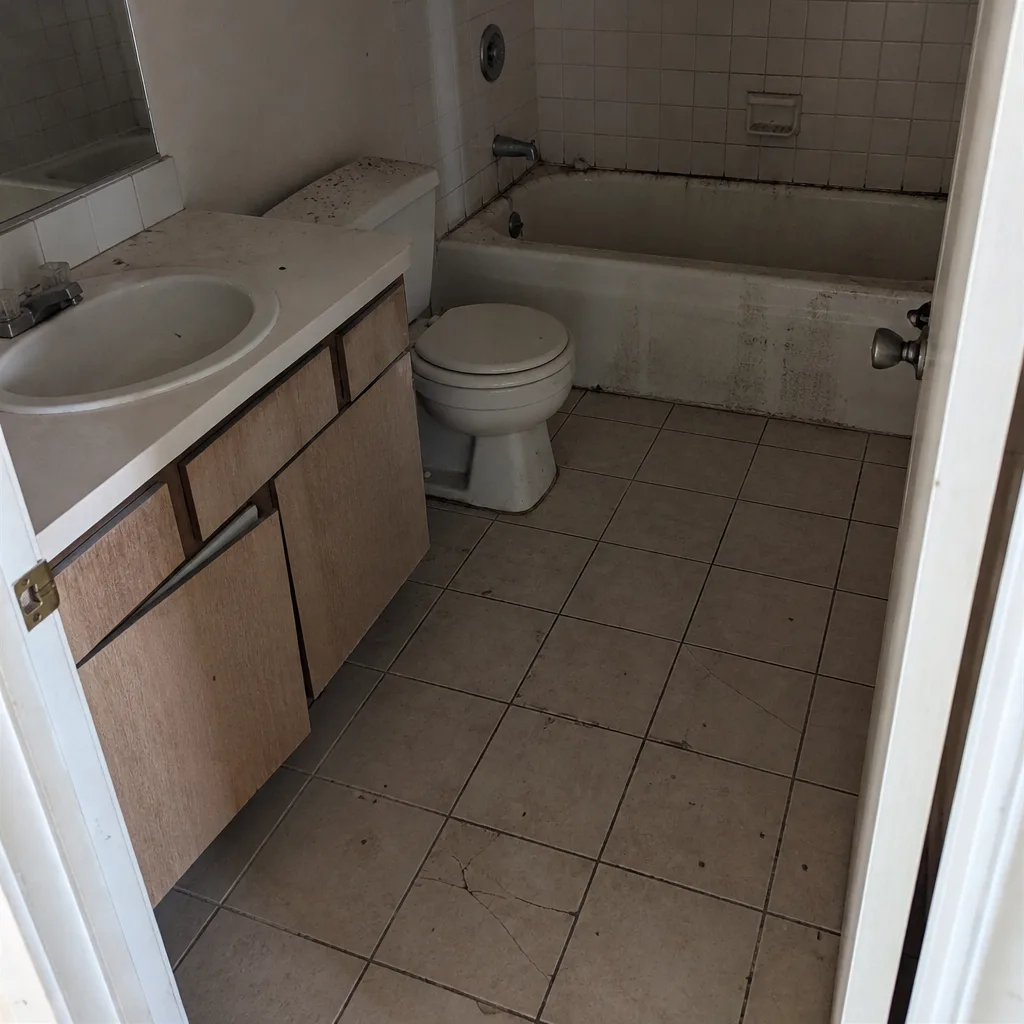 Before
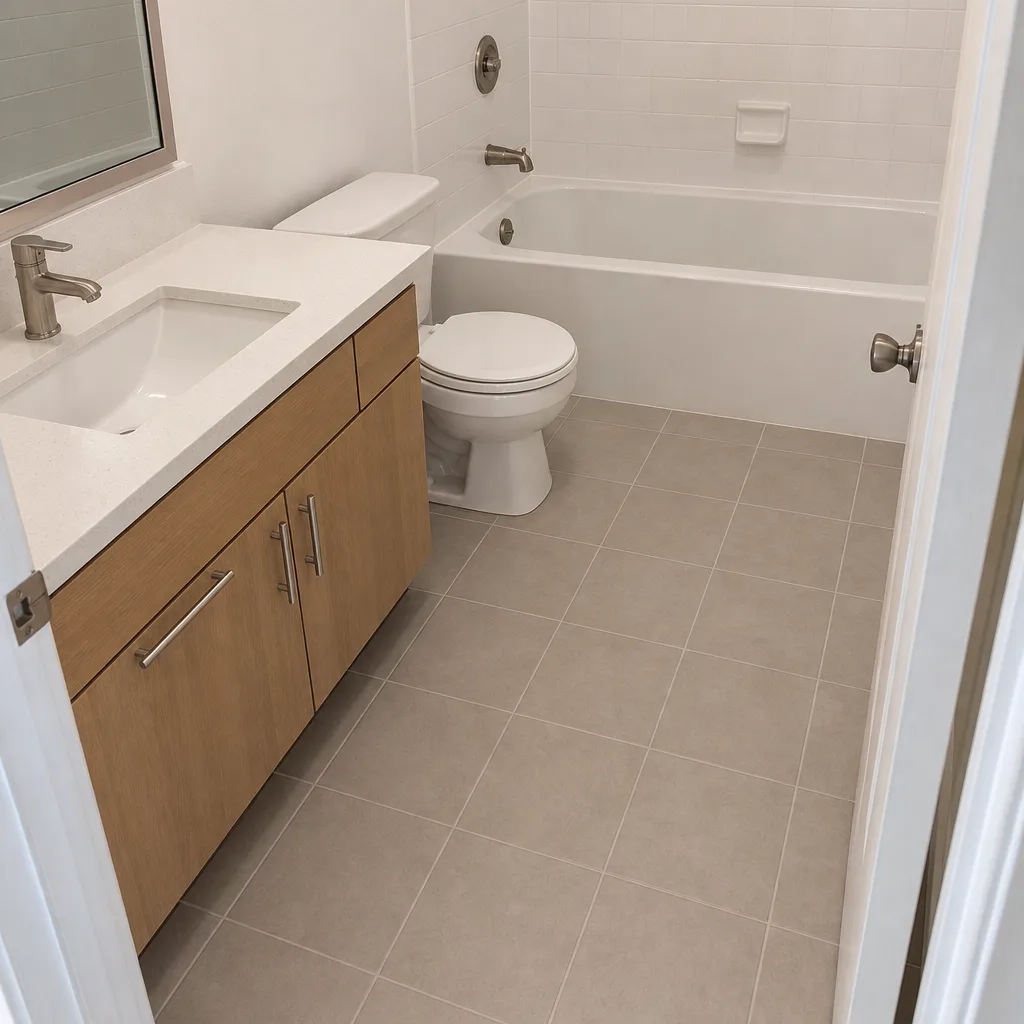 After
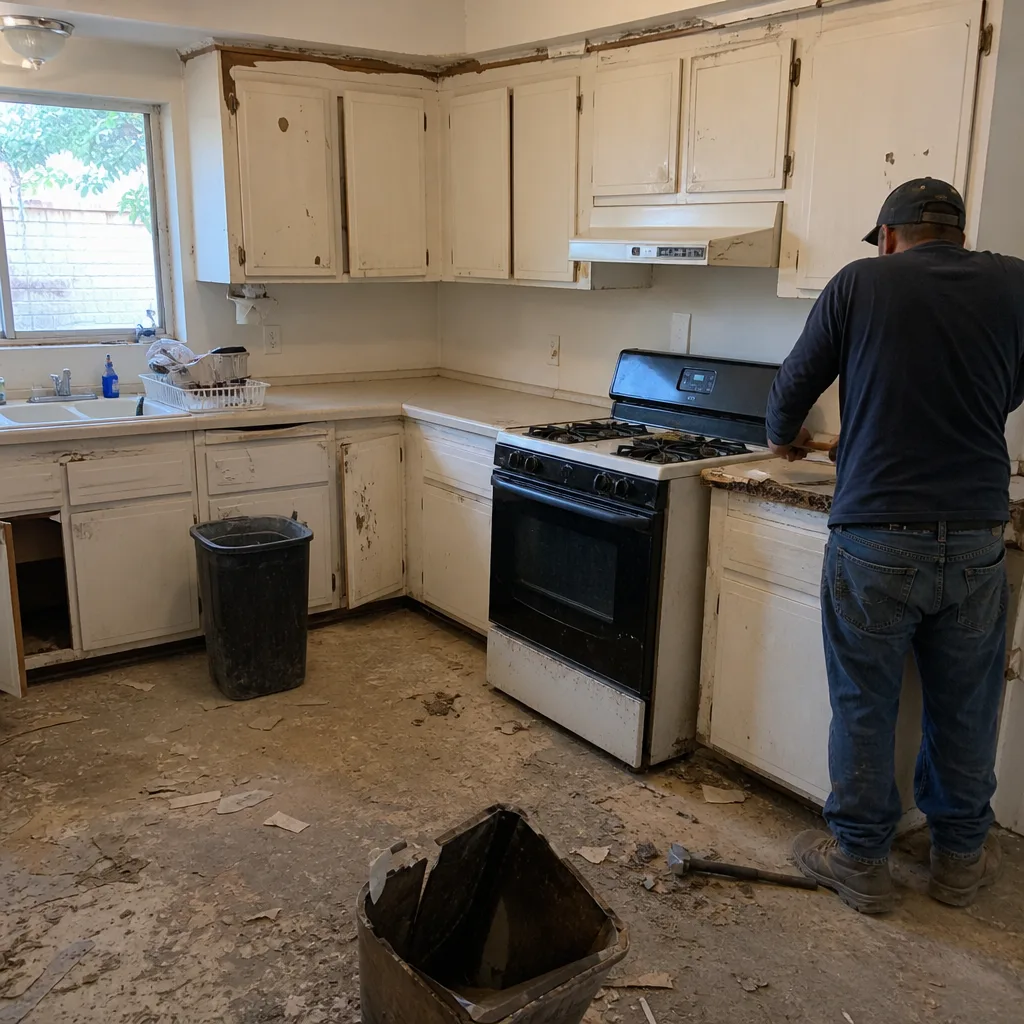 Before
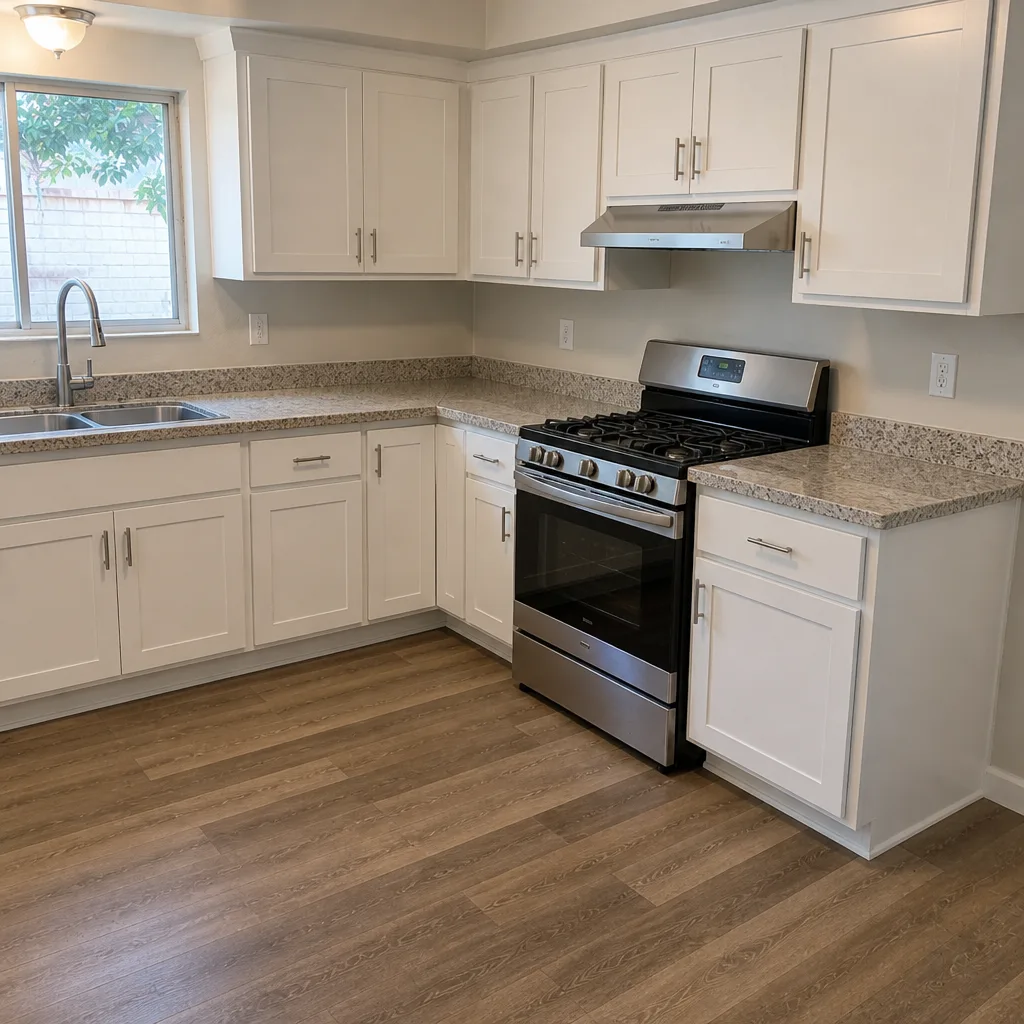 After
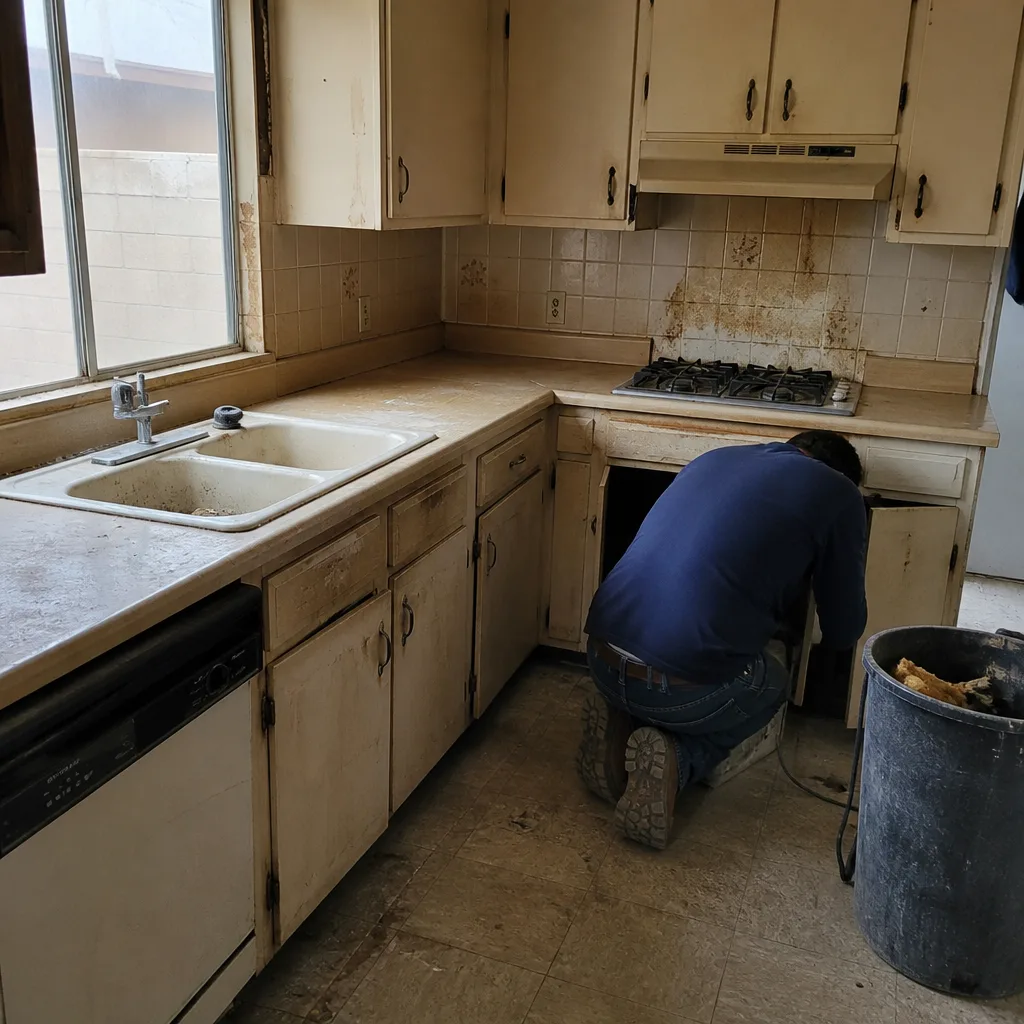 Before
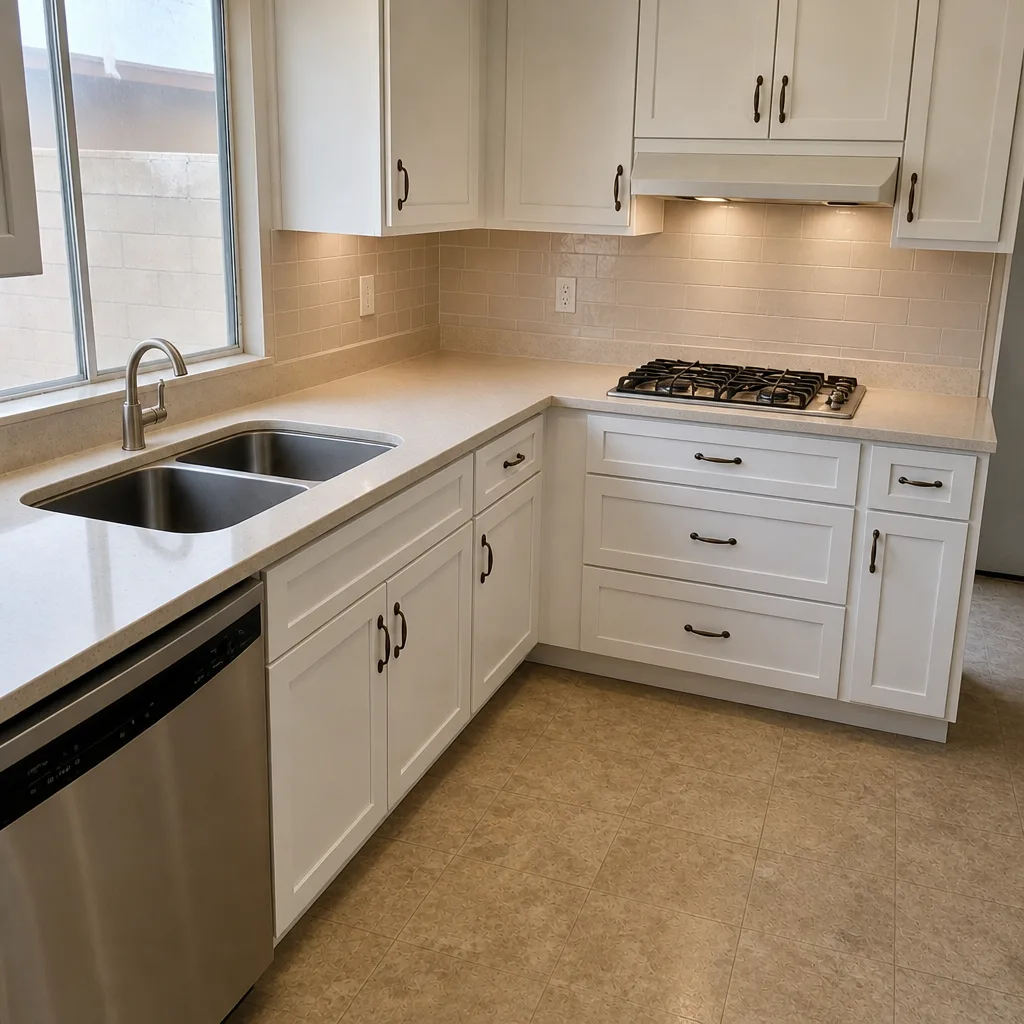 After
When to Call a Professional
Call a licensed professional – meaning a second licensed contractor – when the problem involves water where it shouldn’t be, a wall or floor that’s moved, a fixture that’s failed at a connection, or a dispute that has reached the point of written notice. Also call when the work is clearly unsafe or the original contractor has stopped responding. For the diagnostic and assessment work, a written opinion from a licensed pro is the single most useful thing you can have. Mason Remodeling Co Henderson offers free estimates for Henderson homeowners – call (888) 325-9386. Every project comes with a written price before work starts, a written guarantee with stated terms, and the 365-Day Done Right Promise: if the work isn’t right within a year of completion, it gets fixed at no cost. Our technicians bring up to 22 years of experience to a project and answer a live phone line around the clock. See our kitchen remodeling in Henderson or bathroom remodeling in Henderson for how we approach the work.
Frequently Asked Questions

Photograph it and write it down on the day you notice it, then send it in writing to the contractor within 24 hours. Do not move materials or clean up before the photos are taken. That dated record is the strongest position you’ll ever have.
Only with written justification sent before the payment is due, and only after you’ve checked whether the milestone the payment is tied to has actually been met. A written withholding notice is leverage; a verbal refusal is not, and it can become a breach on your side. Call (888) 325-9386 for a free estimate and a written second opinion if you’re not sure where you stand.
Most licensed contractors will inspect and produce a written assessment of disputed work for a visit fee that typically runs in the low hundreds, and some will roll the fee into a correction estimate if you hire them. Mason Remodeling Co Henderson provides written assessments; call (888) 325-9386 for pricing. The assessment is worth the fee when it might become evidence.
The Board accepts complaints for issues related to licensed contracting, and you should file as soon as your documentation is complete. There isn’t a simple one-size deadline for every situation – the timing can depend on the nature of the issue and the contract terms. The most useful step is to gather the contract, payment records, dated photos, and your written complaint before you file.
It depends on the coverage terms, which should be stated in writing on the guarantee itself: what’s covered, what’s excluded, and for how long. At Mason Remodeling Co Henderson, the 365-Day Done Right Promise covers work for 365 days from the completion date, and a free return visit is provided if a repair or installation fails. Ask any contractor for the guarantee in writing before you sign. Call (888) 325-9386 for a free estimate in Henderson.
Pay only through the contractor’s documented payment process, and only against written invoices and a milestone schedule. Keep every receipt and every payment record. If the job later becomes a dispute, those records are the difference between a resolved claim and a lost one. For a free estimate and a written price before work starts, call (888) 325-9386.
The Bottom Line
Most remodel disputes come down to one thing: how soon the homeowner started writing things down. Document on the day of discovery, send it in writing within 24 hours, and keep a running log – everything else gets easier if you do. Know which category you’re in, a defect, a scope dispute, or a breach, because the process is different for each. When you’re hiring, insist on a written scope and a written price before work starts, and confirm who’s arriving by name and photo if that matters to you. Mason Remodeling Co Henderson has been connecting Henderson homeowners with carefully vetted work since 2004, with a written price before every project and a written guarantee behind every completed one. Call (888) 325-9386 to schedule your free estimate. Our teams answer a live phone line day and night, and our technicians bring up to 22 years of experience to the job. For a broader view of our work, see our general contracting in Henderson.
Written by the team at Mason Remodeling Co Henderson.