Last updated November 18, 2026





Free written scope consultation - allowances, timeline, and change-order rules on paper before a single trade is scheduled
Bathroom Remodeling Troubleshooting: Common Problems and How to Fix Them
A hairline crack in new grout, a tile that sounds hollow when you tap it, a faint musty smell that wasn’t there before the remodel – most bathroom problems don’t show up while the crew is still on site. They show up three to six weeks later, and by then the homeowner is staring at the wall wondering whether they’re looking at normal settling or a slow leak feeding a much bigger repair. We see this constantly in Henderson, where the dry desert air and hard water punish shortcuts fast. This guide is about reading the difference. You’ll learn which symptoms are cosmetic, which point to a substrate or waterproofing failure, what you can fix yourself versus what needs the wall opened, and exactly how to document a problem before you call anyone back.
Quick Answer
Most post-remodel bathroom problems fall into three groups: cosmetic shrinkage (cracked grout, minor caulk gaps) that shows up in the first 60 days and is normal, moisture problems (staining, musty smell, soft drywall) that point to a waterproofing or plumbing failure and need investigation, and movement (loose tiles, cracked tile bodies, shifting fixtures) that signals a substrate or framing issue. The first can wait. The second and third can’t, because damage behind the wall compounds every week you leave it. When in doubt, open the wall or call a professional – guessing at a moisture problem is how a $400 repair becomes a $4,000 one.
Styles & brands we work with
- Kitchen remodeling
- Bathroom remodeling
- Home additions & ADU
- Roofing
- Windows & doors
- Driveway & pavers
- Fence
Table of Contents
- Cracked grout: cosmetic shrinkage or structural movement?
- Loose and hollow-sounding tiles after installation
- Water staining and soft drywall
- Musty smell after a remodel
- Running toilet after replacement
- Symptom-to-cause troubleshooting table
- What to document before you call anyone back
- How to make a workmanship warranty claim
Cracked grout: cosmetic shrinkage or structural movement?
Cracked grout is the number one post-remodel complaint, and it’s also the one homeowners most often misdiagnose. Grout is a cement-based product. It shrinks as it cures and it moves with temperature and humidity, so a thin hairline crack along a seam or a grout line within the first 60 days is usually normal shrinkage. The crack is narrow, follows a straight line, and doesn’t widen over time. Clean it out, re-grout the joint, and move on.
What is not normal is a crack that widens, a crack along a diagonal, or a crack that returns within weeks of being repaired. Those point to movement underneath: a subfloor that flexes, a backer board that wasn’t fastened properly, or a shower that shifts slightly when weight is on it. In a Henderson bathroom remodel, that pattern is worth paying attention to because our slab-on-grade homes can telegraph minor settling through tile, and the fix is never at the surface. Re-grouting a crack caused by substrate movement just hides the symptom until it cracks again.
How to tell them apart:
- Normal shrinkage: thin, straight, appears within 30-60 days, doesn’t widen, doesn’t come back after repair.
- Structural movement: diagonal or widening cracks, cracks that return within weeks, cracks accompanied by hollow-sounding tiles or a loose fixture.
- Water intrusion: dark or discolored grout lines, cracks around the shower floor, soft grout that crumbles when you touch it.
If you’re unsure, tap the tile on each side of the crack with a screwdriver handle. A solid tile rings. A hollow tile means the thinset has released, and that’s a substrate problem, not a grout problem. A loose tile doesn’t fix itself.
Loose and hollow-sounding tiles after installation
A tile that sounds hollow when you tap it has lost its bond to the thinset. The tile itself is fine; the adhesion has failed. That happens for three reasons: too little thinset coverage at installation (the standard is at least 80% coverage on floor tile and 95% in wet areas), a substrate that wasn’t properly prepared or fastened, or moisture getting behind the tile and breaking down the bond over time.
Loose tiles are a real warning sign because they’re often the first visible symptom of a waterproofing failure. In a shower, waterproofing is a system – a bonded sheet membrane, a liquid-applied membrane, or a cement backer board with a vapor barrier behind it. When the system is done right, tile stays put for decades. When it’s compromised, the water that gets past the tile face works on the bond and eventually on the framing behind it. The following is what a professional looks for when opening up a loose tile, and we’re describing it so you understand what you’re being told, not so you attempt it yourself:
- Check whether the thinset is still stuck to the back of the tile or the substrate – one or the other tells you which side separated.
- Look for wet or dark thinset, which indicates water has been sitting behind the tile.
- Inspect the waterproofing layer at the tile edge. If it’s torn, missing at a corner, or never lapped correctly, that’s the root cause.
- Verify the shower pan has a pre-slope. A flat pan without slope holds water under the tile and destroys the assembly from below.
One loose tile in an otherwise solid floor can sometimes be reset. A cluster of loose tiles, or any loose tile in a shower floor, usually means the assembly needs to come apart. That’s not a repair a homeowner should attempt – opening a wet area without reinstating the waterproofing correctly guarantees the problem returns.
Water staining and soft drywall
Water staining is the symptom that deserves the most urgency. A brown or yellow ring on the ceiling below the bathroom, a dark line at the base of a wall, or paint that bubbles and peels on a bathroom wall are all signs that water is moving where it shouldn’t. The stain itself is the least important part. What matters is the source.
Three culprits account for nearly every staining call we get in Henderson after a remodel: a shower pan or curb that leaks, a supply or drain connection that’s seeping behind the wall, and an exhaust fan ducted incorrectly so moisture condenses in the wall cavity or attic. That third one surprises people. A bathroom fan that dumps into the attic instead of outside sends warm, humid air into a cool space, and our dry desert nights make that condensation land fast. You’ll see staining at the top of the wall near the ceiling.
How to respond before you call anyone:
- Photograph the stain with something for scale (a coin, a ruler) and note the date you first saw it.
- Press the drywall around the stain with a fingertip. If it’s soft or spongy, stop poking – you’ve confirmed the damage and further probing just widens the hole.
- Check whether the stain grows after a shower. If it does, the shower assembly is the source.
- Look for a smell of damp or a musty note near the stain, which tells you it’s been wet a while.
Do not paint over a water stain. It will come back and you’ll lose the evidence. Water behind drywall damages framing, promotes mold, and in a Henderson summer heat can spread fast. This is a call-a-professional situation, not a weekend project.
Musty smell after a remodel
A musty smell with no visible moisture is often the hardest problem to pin down. It can come from a shower drain trap that loses its seal, a fan that isn’t moving enough air, a slow leak that’s been wet long enough to grow mold on the back of the drywall, or new material off-gassing (which usually fades within a few weeks and doesn’t smell like a basement).
Distinguish them by location and timing. A smell that’s strongest when you walk into the bathroom in the morning is often a drain trap issue or an undersized fan. A smell that’s strongest right after a shower, or that centers on one wall, usually points to moisture behind a surface. Off-gassing from new cabinets and caulk fades. A biological smell gets stronger.
What you can check yourself:
- Run the fan for 20 minutes and hold a tissue to the grille. If the tissue doesn’t stay, the fan isn’t moving enough air, and the CFM rating is the likely issue.
- Pour a cup of water down any floor drain you haven’t used, which reseals a dry trap.
- Sniff along the base of walls and around the shower curb to narrow where it’s coming from.
What you should not do is seal the room and spray an air freshener over it. A musty smell after a remodel is your house telling you about moisture. If the smell returns after you clean, the source is behind a surface, and it needs to be opened up.
Running toilet after replacement
A running toilet after a new install is almost always one of three things: a flapper that isn’t seating, a fill valve set too high so water spills into the overflow tube, or debris caught under the flapper seat from the installation. None of these are emergencies, and the first two are the easiest fixes on this entire page.
You can diagnose it in two minutes. Shut the water off at the angle stop behind the toilet and see if the running stops. If it does, the problem is in the tank – flapper or fill valve. If it continues with the water off, the problem is at the supply connection. Lift the tank lid and look at the water level relative to the overflow tube; it should sit about an inch below the top of the tube. A flapper that doesn’t seat cleanly often has a mineral film on it, which is common in Henderson’s hard water. Wiping the flapper and seat with a cloth and a little vinegar fixes it more often than people expect.
What’s not a DIY fix: a leak at the base of the toilet, a wobbling toilet, or water pooling around the flange. A failed wax ring or a cracked flange lets water into the subfloor and the ceiling below. If you see water at the base, stop using the toilet and call a professional. A new American Standard or Toto install shouldn’t leak at the base, and if it does, the wax seal or flange is the cause.
Symptom-to-cause troubleshooting table
Here’s the quick-reference version. Use it to sanity-check what you’re seeing before you call, and to describe the problem clearly when you do.
- Cracked grout, thin and straight, within 60 days: normal cure shrinkage. Urgency: low. You can fix it yourself.
- Cracked grout, diagonal or widening, or returning after repair: substrate movement or flexing. Urgency: moderate. Needs a professional to inspect.
- Loose or hollow-sounding tile: thinset bond failure, possible waterproofing compromise. Urgency: high in wet areas. Needs opening up.
- Water staining on ceiling or wall: active leak from pan, drain, supply line, or fan duct. Urgency: high. Call a professional.
- Musty smell, strongest after showers: moisture behind a surface or a fan that’s not exhausting outside. Urgency: moderate to high. Investigate the fan first, then call.
- Running toilet: flapper, fill valve, or debris. Urgency: low. DIY-able with the steps above.
- Water at the base of the toilet or a wobbling toilet: wax ring or flange failure. Urgency: high. Call a professional.
- Paint peeling on a bathroom wall: moisture behind the wall, often from a fan ducted into the attic. Urgency: moderate. Needs a professional.
What to document before you call anyone back
The single thing that separates a smooth warranty resolution from a long argument is documentation. The homeowner who calls with dated photos and a written description gets a decision fast. The homeowner who says “something’s wrong with my shower” starts a conversation that takes weeks. Here’s what to gather:
- Photos with dates. Take the same photo from the same spot every week. A crack that’s stable looks different from a crack that’s growing, and photo dates prove which you have.
- A written description. When you first noticed it, what it looks like now, whether it changes after a shower or with weather, and what you’ve done so far (don’t do more than you already have).
- The original contract and scope. Check what was in scope – was the waterproofing part of the job? Was the shower pan replaced or just re-tiled? Your warranty claim lives or dies on what the contract says was covered.
- The warranty document itself. Read it before you call. Know the coverage period and what’s excluded.
- A record of your calls. Date, time, who you spoke with, and what they said. A live person answers every call to Mason Remodeling, so you’ll have a name to reference.
If your original remodeler’s warranty doesn’t cover the problem, or the installer is unresponsive, this is where a second opinion matters. Mason Remodeling Co Henderson offers free estimates on bathroom troubleshooting in Henderson, and our written price is delivered before any work starts, so you’re never guessing what the fix will cost.
Common Mistakes to Avoid
- Re-grouting over a structural crack. If the crack comes back within a month, the grout wasn’t the problem – the substrate was. You’ve just spent money twice.
- Painting over water stains. It hides the evidence, not the leak. The stain will reappear and the moisture keeps working on the framing behind it.
- Ignoring a hollow-sounding tile in the shower for months. In our Henderson work, a loose shower tile left long enough usually means the waterproofing needs to come apart, not just the tile. Early action saves the assembly.
- Assuming a musty smell is just new construction. Off-gassing fades. A biological smell gets stronger. If it’s still there in month three, it’s moisture.
- Caulking over a gap that keeps reopening. Caulk is meant to be flexible, but a gap that opens and closes means something is moving. Find out what before you seal it again.
- Fixing a running toilet by turning the water down. It stops the sound, not the leak. The flapper or valve still needs attention, and a running toilet wastes water every day until it’s fixed.
- Calling the original installer without documentation. A dated photo and a written description get a faster, fairer resolution than a phone call that starts with “something’s leaking.”
See the difference
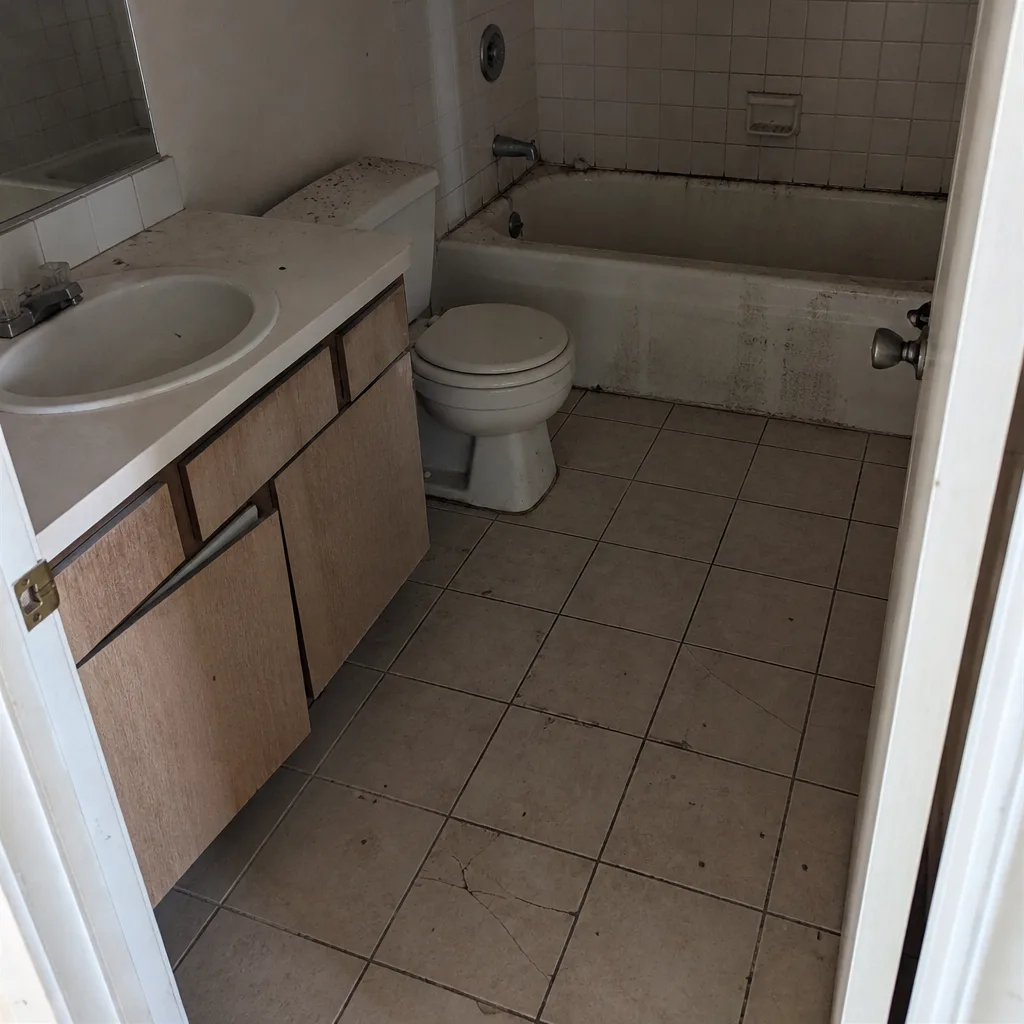 Before
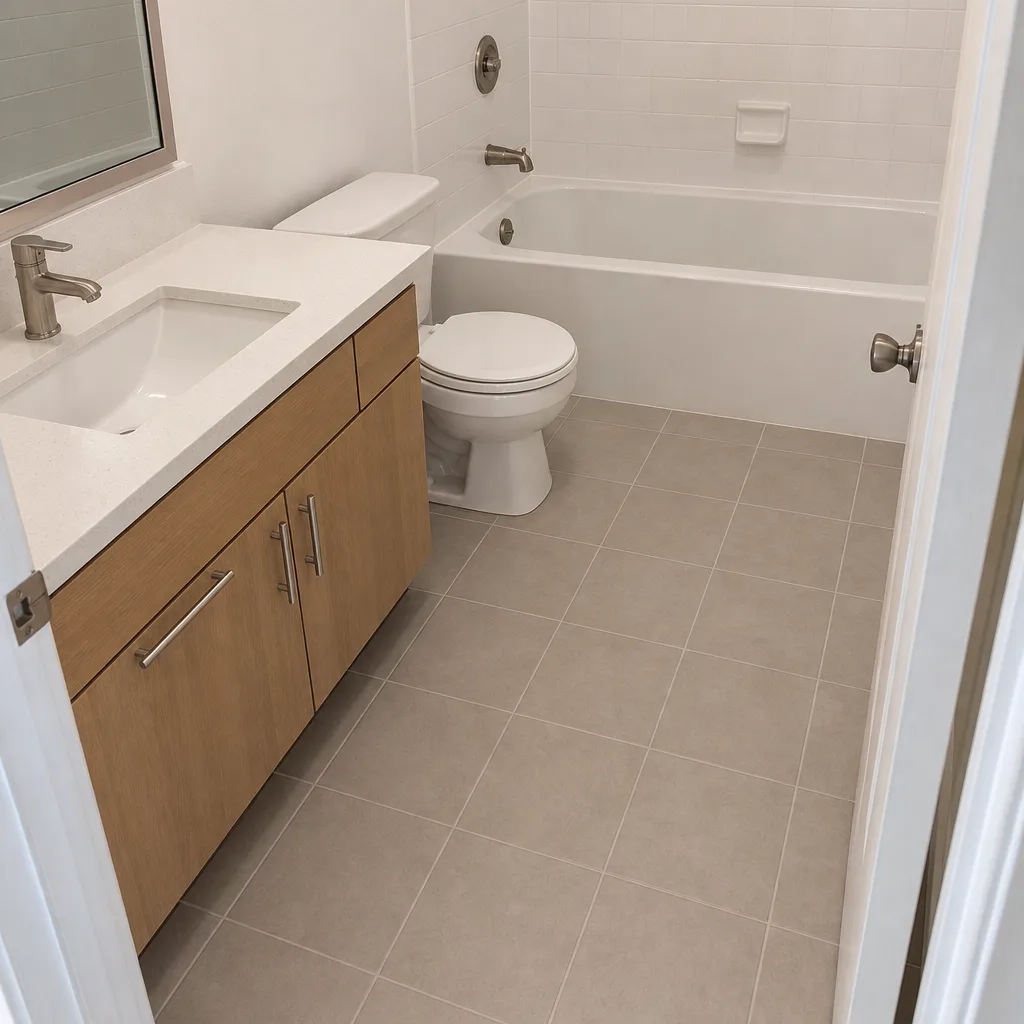 After
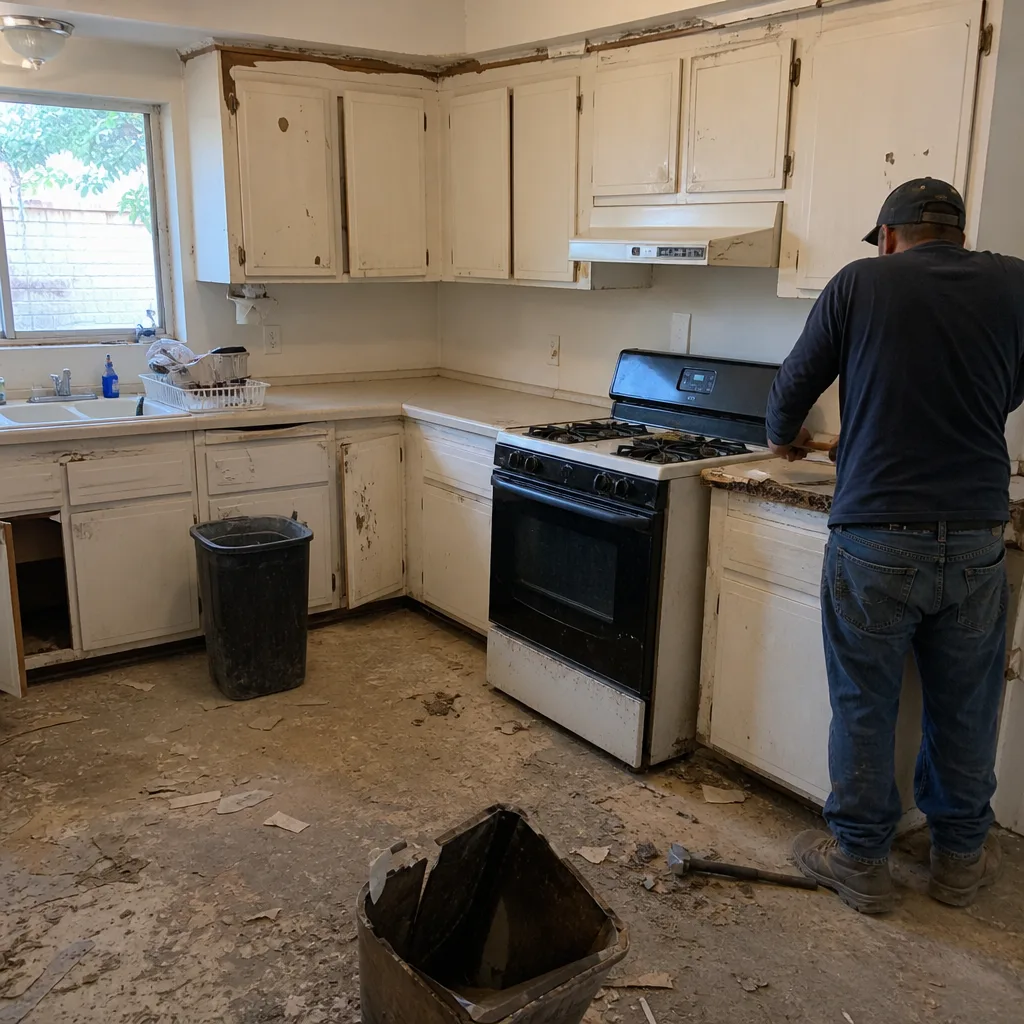 Before
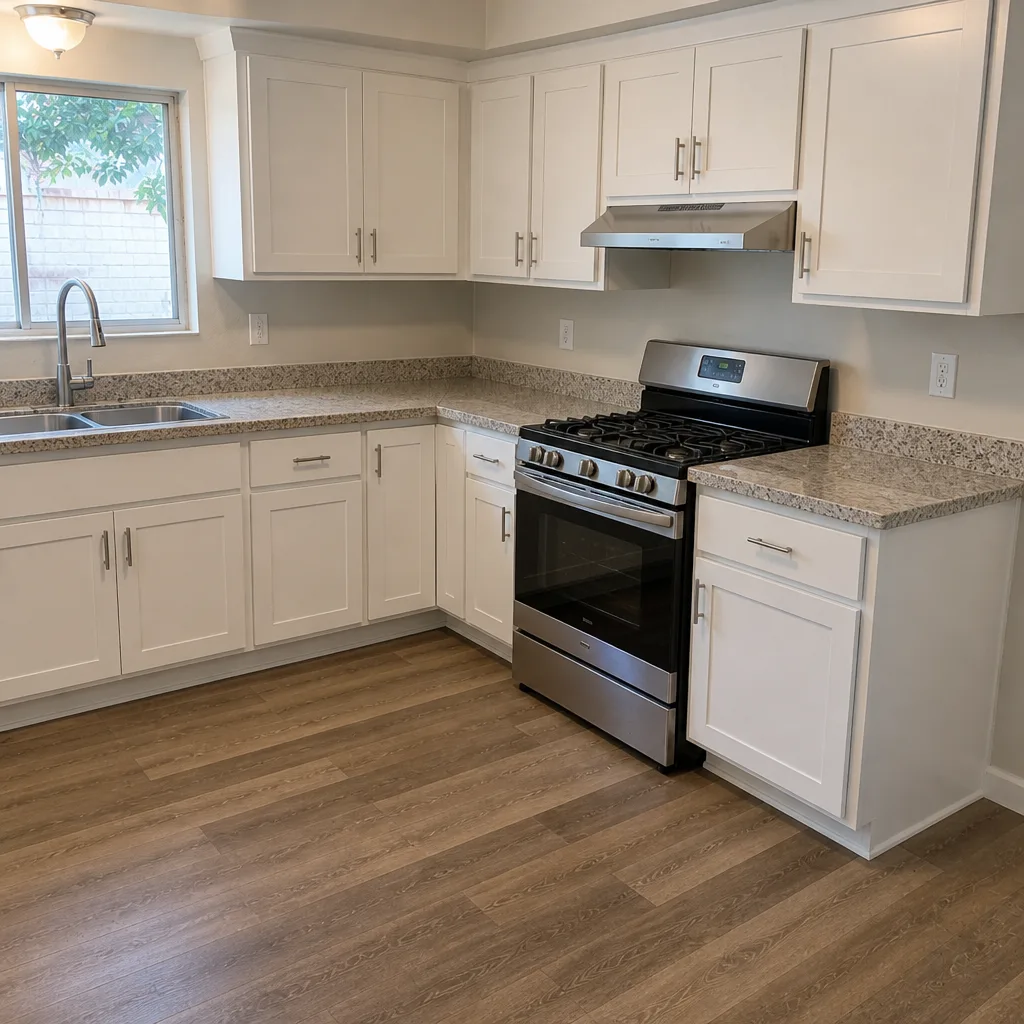 After
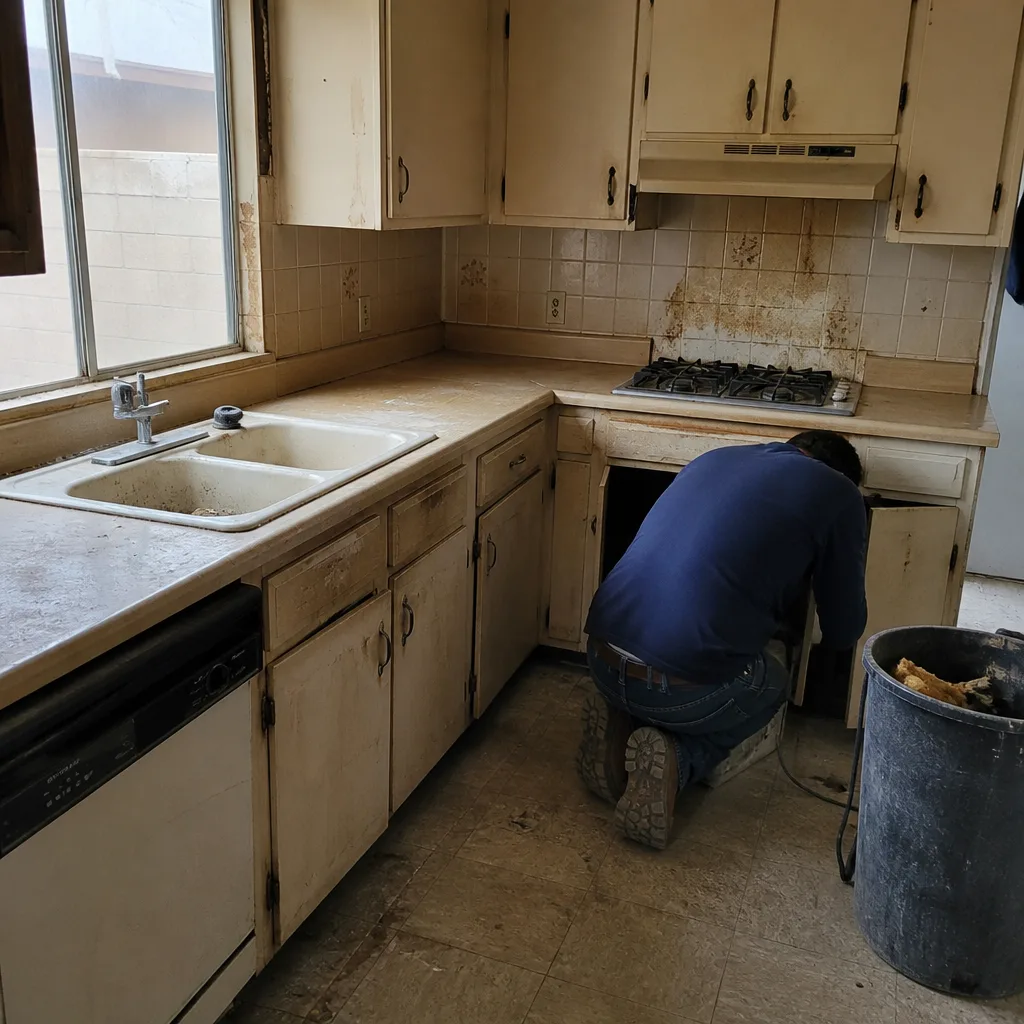 Before
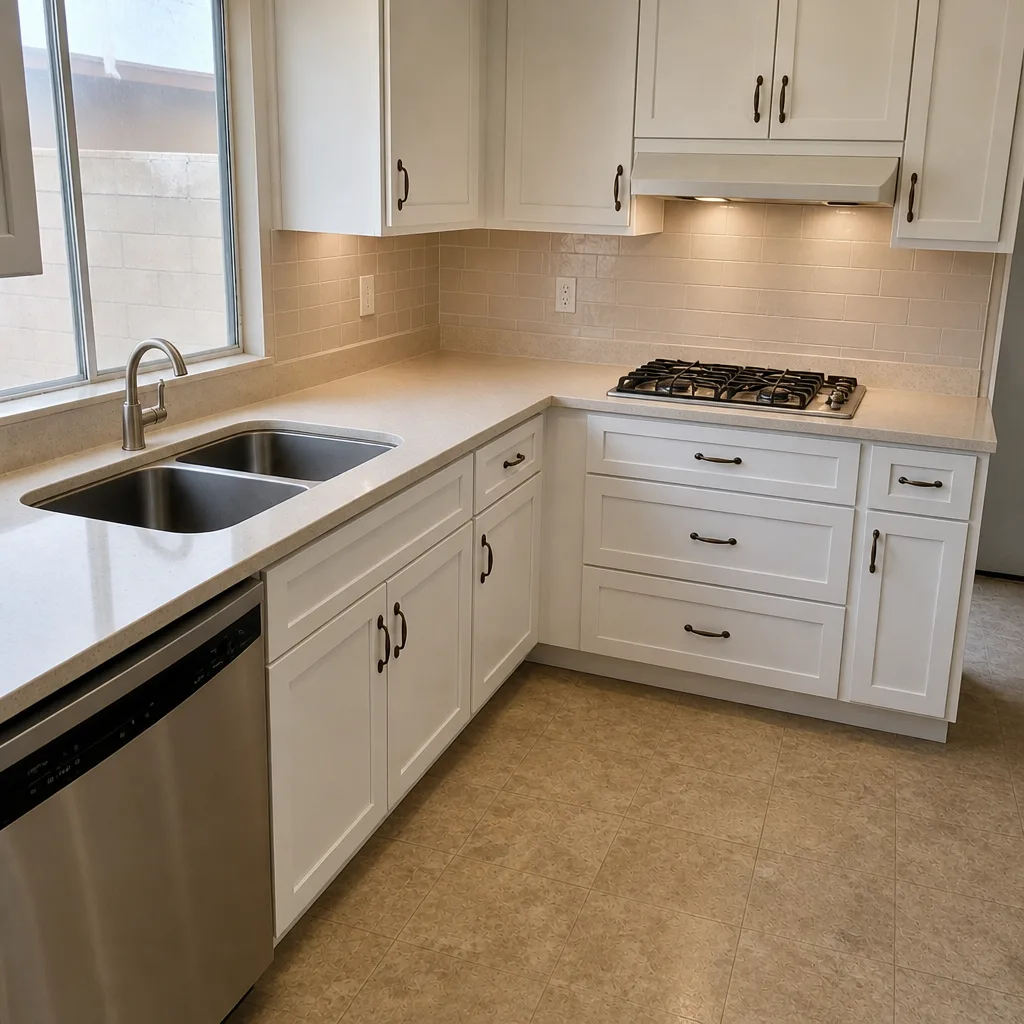 After
When to Call a Professional
Call a professional the moment you see water where it shouldn’t be, a soft or spongy wall or ceiling, a loose tile in a shower, or water at the base of a toilet. Those are the situations where the visible damage is a fraction of the real problem, and every week you wait adds cost. Also call if you’re not sure whether a crack is structural – a trained eye can tell shrinkage from movement in a five-minute inspection, and our technicians have up to 22 years of experience reading exactly that difference. Mason Remodeling Co Henderson offers free estimates in Henderson, delivers a written price before any work begins, and backs its work with the 365-Day Done Right Promise: if the work isn’t right within a year of completion, we make it right at no cost. Call (888) 325-9386 to schedule your free estimate.
How to make a workmanship warranty claim
A workmanship warranty covers the quality of the installation itself – not the materials, which carry their own manufacturer warranties, and not damage the homeowner caused. A good one should cover water intrusion from a shower or tub installation, tile delamination caused by installation error, and fixture leaks traced to the install. It should clearly state the coverage period, what’s excluded, and how a claim is filed. Here in Nevada, where the desert climate swings between dry heat and cool nights, the coverage period matters: an installation that’s going to fail often does it within the first full seasonal cycle.
How to file a claim properly, so it actually moves:
- Read the warranty document and identify the coverage period and exclusions.
- Gather your documentation: dated photos, written description, contract scope, and your call log.
- Submit the claim in writing – email or a written form – rather than a phone call alone, so there’s a record.
- Request a site visit and a written scope of the repair. A reputable remodeler will put the proposed fix in writing before touching anything.
- Ask which party covers the repair and on what timeline. Get it in writing.
The 365-Day Done Right Promise at Mason Remodeling covers the year from the completion date, and if a repair or installation fails within that window, we return for a free second visit – no charge, no dispute process, no conditions. That’s what a real workmanship guarantee looks like: it names the term, names what’s covered, and puts the fix in writing. When you’re comparing remodelers, ask for their warranty document in writing before you sign, and read the exclusions. If you’re still planning a project, our bathroom remodeling in Henderson page walks through what to expect from start to finish.
Frequently Asked Questions
Most installation problems surface within 30 to 90 days, which is exactly why a one-year workmanship warranty matters. Cracking grout and minor caulk gaps show up first, usually in the first 60 days. Water intrusion from a shower or a slow drain leak often takes longer to become visible, sometimes three to six months, because it has to soak through the assembly before it shows on the other side. A musty smell can take longer still. If you haven’t seen a problem in the first full year and the installation was done right, you’re generally past the high-risk window. Call (888) 325-9386 for a free estimate if you’re seeing something now.
Thin, straight hairline cracks in the first 60 days are normal cure shrinkage and you can re-grout them yourself. Diagonal cracks, widening cracks, or cracks that return within weeks of a repair are not normal, and they point to a substrate or movement problem that re-grouting won’t fix. In Henderson’s climate, the dry heat pulls moisture out of grout quickly during cure, which can make normal shrinkage slightly more visible than in a humid climate, but the pattern to watch is the same: straight and stable is fine, diagonal or recurring is a call. Call (888) 325-9386 for a free estimate if you’re not sure which you have.
Normal moisture is condensation on a mirror or a steamy window that clears when the fan runs. A waterproofing failure is water that gets past the tile face into the assembly and stays there. The tell is location: a waterproofing failure shows up as staining, soft drywall, a musty smell that’s strongest after showers, or loose tiles in a shower. Normal moisture doesn’t leave stains. If you see water where it shouldn’t be, the waterproofing layer is the place to look, and that means opening the wall or the shower. Call (888) 325-9386 for a free estimate on the repair.
Call the original contractor first if your workmanship warranty is still active, because that’s who’s obligated to make it right. Give them your documentation and put the claim in writing. If the warranty has expired, the installer is unresponsive, or the original work wasn’t covered, call a different remodeler for a second opinion. Mason Remodeling Co Henderson offers free estimates in Henderson, and we’ll tell you plainly whether the problem is a warranty matter for the original installer or a repair you need to price. Call (888) 325-9386 to schedule.
Usually yes, if the problem is in the tank. Shut the water off at the angle stop, check whether the running stops, and inspect the flapper and fill valve. A flapper with mineral film (common in Henderson’s hard water) or a fill valve set too high causes most post-install running. Clean or adjust the flapper and check the water level relative to the overflow tube. If water is pooling at the base or the toilet wobbles, stop and call a professional, because that’s a wax ring or flange issue that will damage the subfloor. Call (888) 325-9386 for a free estimate if you’d rather have it looked at.
A real workmanship warranty covers installation quality and names the coverage period in plain terms. It should cover water intrusion from the shower or tub install, tile delamination caused by installation error, and fixture leaks traceable to the install. It should state exclusions clearly – material warranties are separate, and homeowner damage or neglect isn’t covered. A one-year term is standard. The Mason Remodeling 365-Day Done Right Promise runs 365 days from the completion date and includes a free return visit if a repair or installation fails. Ask any remodeler for the written warranty before you sign. Call (888) 325-9386 for a free estimate.
The Bottom Line
Most post-remodel bathroom problems announce themselves quietly, and the difference between a small fix and a big one is how fast you read the symptom. Thin, straight grout cracks in the first two months are normal. Diagonal or returning cracks, hollow tiles, water stains, soft drywall, and musty smells are not, and they get more expensive every week you wait. Document what you see with dated photos and a written description, read your warranty before you call, and put your claim in writing. If you’re not sure what you’re looking at, have it inspected rather than guessed at. That’s the whole method, and it works whether you’re in Green Valley, Anthem, or anywhere else in Henderson. For a clear answer on your specific problem, call (888) 325-9386 to schedule your free estimate. Our written price comes before any work starts, and the 365-Day Done Right Promise stands behind the fix for a full year. When you’re ready to plan a project from scratch, our Mason Remodeling Co Henderson home page is the place to start, and our general contractor in Henderson and kitchen remodeling in Henderson pages cover the work we do beyond the bathroom.
Written by the team at Mason Remodeling Co Henderson.