
Last updated November 18, 2026
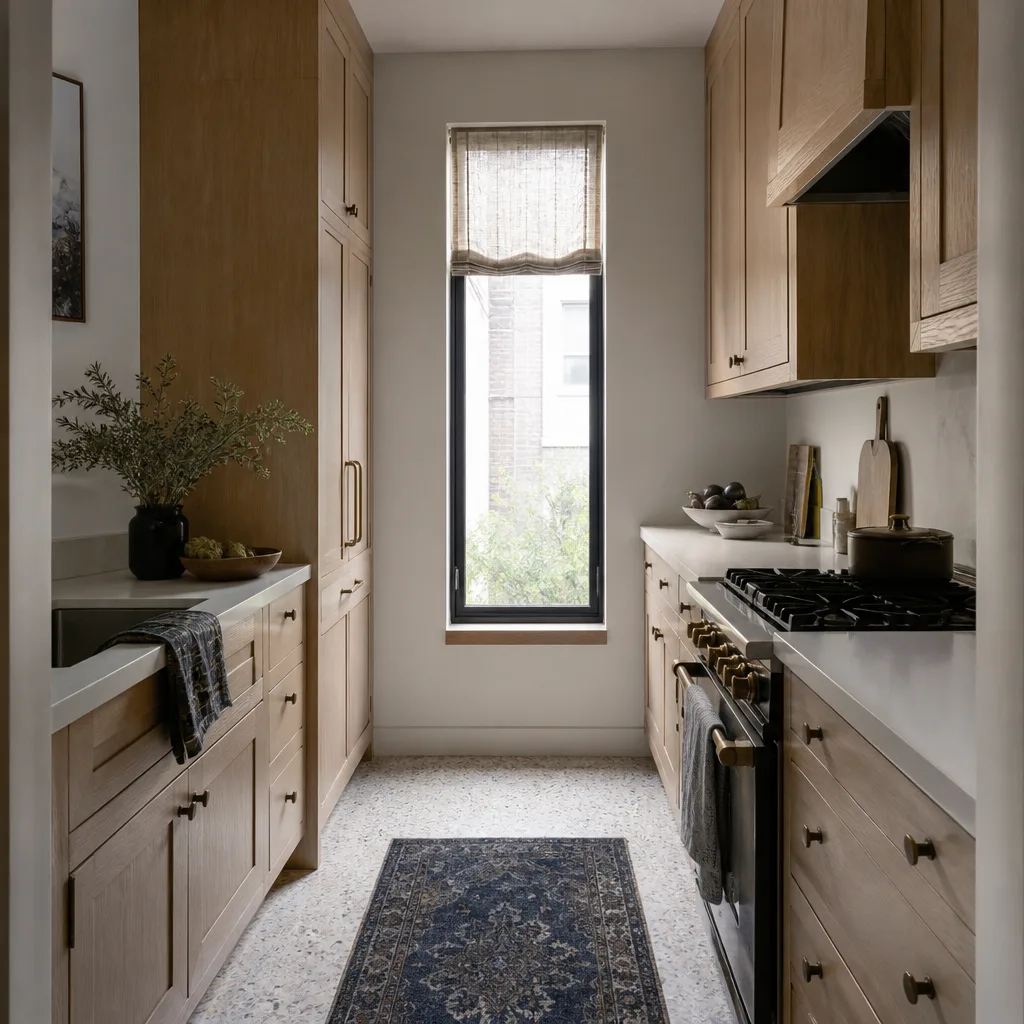
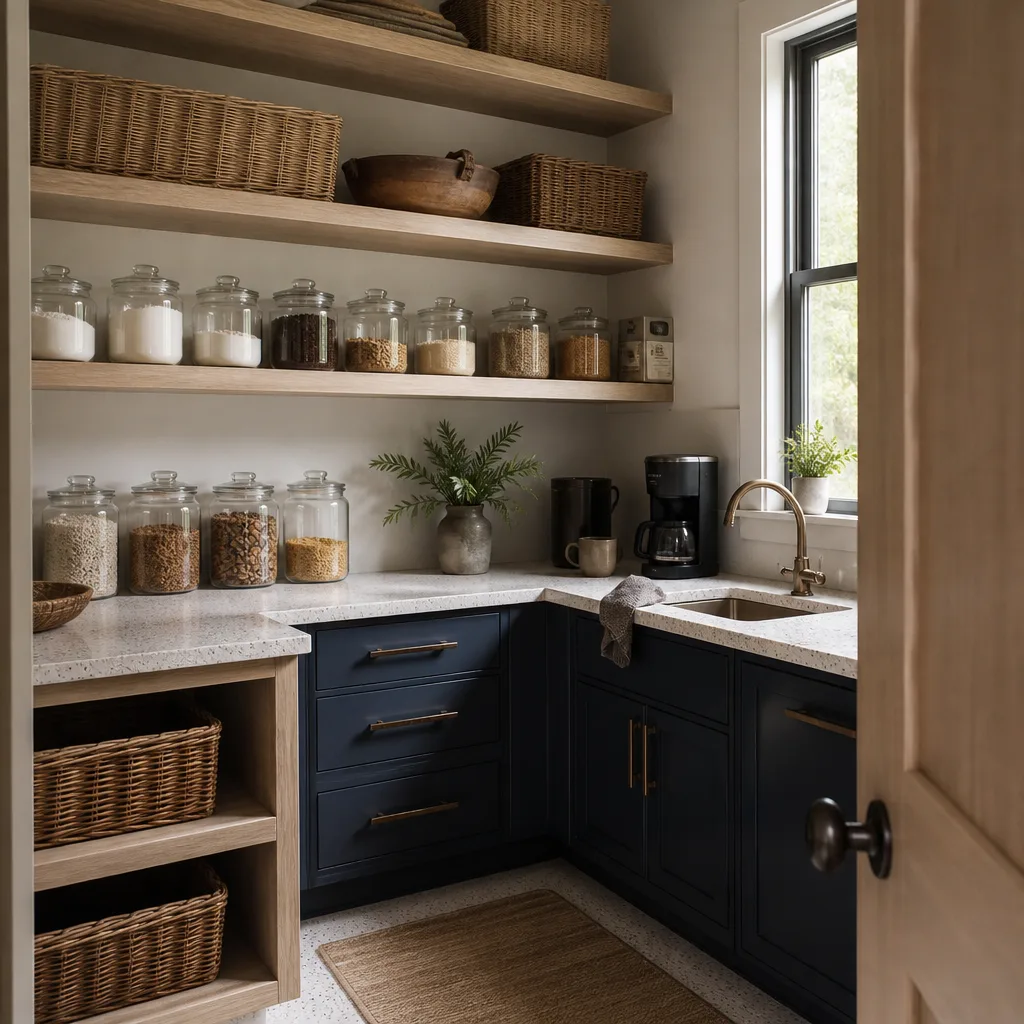





Free written scope consultation - allowances, timeline, and change-order rules on paper before a single trade is scheduled
Kitchen Remodeling Troubleshooting: Common Problems and How to Fix Them
The most expensive kitchen remodel surprise in Henderson isn’t cracked tile or a crooked cabinet door. It’s the corroded galvanized supply lines hiding inside the walls of homes built before 1985, discovered only after the drywall comes down. We’ve watched homeowners budget for quartz and cabinet pulls, then face a plumbing replacement nobody scoped. The trouble is that kitchen problems don’t all behave the same way. Some surface during demolition, some during installation, and some months after the final walkthrough. Each phase needs a different response. This guide breaks the three phases apart, shows you how to tell a workmanship defect from a material defect, and explains what “substantial completion” actually means when money is on the line.
Quick Answer
Kitchen remodel problems fall into three phases: mid-demo discoveries, mid-install defects, and post-completion failures. Handle demo discoveries with a written change order before work continues, document install defects with dated photos and a written notice, and resolve post-completion failures through your written warranty rather than a handshake. The response strategy differs for each, and using the wrong one is what turns a small fix into a dispute.
Styles & brands we work with
- Kitchen remodeling
- Bathroom remodeling
- Home additions & ADU
- Roofing
- Windows & doors
- Driveway & pavers
- Fence
Table of Contents
- Why Kitchen Remodel Problems Split Into Three Distinct Phases
- Mid-Demo Discoveries: The Five Most Common in Henderson Homes
- Mid-Install Defects: Workmanship or Material?
- How to Document a Punch-List Dispute Correctly
- What Substantial Completion Means in Nevada
- Post-Completion Failures: What the Warranty Should Cover
- What Common Fixes Cost in Henderson
- Common Mistakes to Avoid
- When to Call a Professional
Why Kitchen Remodel Problems Split Into Three Distinct Phases
A problem you find during demolition is a scope problem. It requires a change order and a revised written price before anyone picks up a tool. A defect that shows up during installation is a quality-control problem. It requires a documented defect report and a decision about who pays. A failure that appears six months after you’ve moved back in is a warranty problem. It requires a written claim against a stated guarantee.
Most homeowners treat all three the same way: they call the contractor, describe the problem, and hope for the best. That works sometimes. It fails badly when a demo discovery gets handled verbally and later turns into a billing dispute, or when a warranty claim gets treated like a fresh service call and drifts past the coverage window.
In Henderson, the phase distinction matters more than in most markets because of the housing stock. Large parts of the city were built between the late 1970s and the mid-1990s. Green Valley, Whitney Ranch, and older sections of Henderson near downtown carry construction methods that regularly surface surprises once walls open. Newer builds in Inspirada and MacDonald Ranch tend to be cleaner on the demo side but can carry different issues, like builder-grade cabinets reaching the end of their service life sooner than the homeowner expects.
Here’s the framework we use on every kitchen we touch:
- Phase 1 (Demo): Stop, photograph, document, and issue a written change order. No verbal approvals.
- Phase 2 (Install): Photograph the defect with a reference object for scale, notify in writing within 24 hours, and request a written determination of cause.
- Phase 3 (Post-Completion): Submit a written warranty claim referencing the completion date and the specific guarantee terms. Keep the claim inside the coverage window.
If you’re planning a kitchen project and want the scope reviewed before demolition starts, our Kitchen Remodeling in Henderson page covers how we build the initial scope.
Mid-Demo Discoveries: The Five Most Common in Henderson Homes
Demo discoveries are the single biggest source of budget overruns in Henderson kitchen remodels. The five below account for most of what we find. Each one has a typical cost range and a delay estimate, and each one belongs in a written change order before the crew continues.
1. Asbestos-containing texture and joint compound
Homes built before roughly 1980 often have asbestos in the drywall joint compound or the ceiling texture. A licensed abatement crew must handle it. Typical cost: $1,500 to $4,500 depending on square footage. Delay: three to seven days for testing plus abatement.
2. Galvanized supply lines
This is the one that catches people. Homes built before 1985 frequently still have galvanized steel supply piping. It corrodes from the inside, restricts flow, and can fail under the pressure change when you shut off and restart the system. Repiping a kitchen zone runs $2,200 to $6,500. Full-house repiping runs higher. Delay: three to five days.
3. Undersized electrical service
A modern kitchen with a double oven, induction cooktop, and dedicated circuits for small appliances often needs more amperage than the original panel provides. Upgrading a panel runs $2,000 to $4,000. Delay: two to four days, plus permit and inspection time.
4. Missing or damaged subfloor
Water damage under a sink or a dishwasher leak can rot the subfloor for years before anyone notices. Replacing a section of subfloor plus a moisture barrier runs $600 to $1,800. Delay: one to two days.
5. Improperly vented range hoods
Older Henderson homes sometimes vent a range hood into the attic instead of outside. Correcting that means new ductwork through a wall or the roof. Cost: $500 to $1,500. Delay: one to two days.
Every one of these belongs on a written change order with a fixed price before work resumes. If a contractor tells you to “just keep going and we’ll settle up at the end,” that’s your signal to slow down.
Mid-Install Defects: Workmanship or Material?
A cabinet door that won’t close flush, a countertop seam that catches a fingernail, a drawer that rubs the frame: these are install-phase defects, and the first question is always who pays. The answer depends on the cause, and the cause is usually diagnosable in under five minutes.
Workmanship defects come from how something was installed. The cabinet box was shimmed out of level. The hinge was set in the wrong bore position. The countertop template was measured wrong. These are the contractor’s responsibility and belong on the contractor’s cost.
Material defects come from the product itself. A cabinet door that warps within its first season. A drawer slide that fails under normal load. A quartz slab with a factory flaw. These fall under the manufacturer’s warranty. That’s why specification-grade cabinetry matters: brands like KraftMaid and Wellborn carry clear written material warranties, while unknown builder-grade cabinets often carry nothing you can enforce.
Here’s how to tell the difference in practice:
- Check the pattern. If one cabinet door in a run of eight is out of alignment, that’s workmanship. If all eight are out the same way, it’s more likely a manufacturing tolerance issue.
- Check the timing. A defect visible on day one is almost always workmanship. A defect that appears after three months of normal use points toward material.
- Check the adjustment. European-style hinges have adjustment screws that correct small misalignments. If adjustment fixes the problem, it was an install issue. If it doesn’t, the door or the box is the problem.
- Check the documentation. Manufacturer warranties are written. If your contractor can’t produce the warranty document for the cabinet line, that’s a problem worth raising before final payment.
In our experience across Henderson kitchens, roughly 70 percent of what looks like a material defect turns out to be installation. The other 30 percent is a real warranty claim, and it’s worth pursuing because specification-grade brands will honor it.
How to Document a Punch-List Dispute Correctly
A punch-list dispute that goes unmanaged can turn into a mechanic’s lien on your home. That’s the worst-case outcome, and it happens more often than people realize, usually because the homeowner communicated by phone and the contractor’s records don’t match what they remember.
The correct documentation sequence looks like this:
- Create the punch list in writing on the walkthrough day. Every item numbered, described specifically (“cabinet door under sink rubs frame on left side,” not “cabinet doors need fixing”), and signed by both parties.
- Photograph every item. Date-stamped photos with a reference object for scale. Keep them in a folder you can produce later.
- Set a written completion date for each item. Not “soon.” A specific date. Write it into the punch list document.
- Send written notice of any unresolved item within the agreed window. Email is best because it timestamps automatically. Keep it factual: item number, description, date noticed, what was agreed.
- Hold final payment only on the disputed amount. Withholding the entire final payment over a $200 punch item is what escalates disputes into lien claims. Pay the undisputed portion, hold the disputed portion in writing.
- Request a written response to your written notice. If the contractor won’t respond in writing, that’s a signal to get a third-party inspection before releasing funds.
The pattern that protects you is simple: written, dated, photographed, and specific. Verbal punch lists are common and they’re the reason most disputes end up in mediation.
What Substantial Completion Means in Nevada
Substantial completion is the legal threshold at which the project is considered usable for its intended purpose, even if punch-list items remain. In Nevada, substantial completion is significant because it starts the clock on several things: the warranty period, the deadline for recording a mechanic’s lien, and, on many contracts, the trigger for final payment.
The practical definition in most residential contracts: the kitchen is fully functional. Cabinets installed, countertops set, appliances working, plumbing and electrical live and inspected. Minor cosmetic items can remain open. The key word is “minor.”
Why this matters for a final payment dispute: if you’ve reached substantial completion and you’re holding final payment over small punch items, you’re in a weaker position than you’d think. Courts and mediators generally treat substantial completion as the point where the bulk of the money is owed. The better approach is to pay the undisputed amount, hold back only the itemized cost of the disputed work, and document the holdback in writing.
On the contractor side, substantial completion also starts the warranty clock. That’s why the date matters. If your written guarantee runs 365 days from completion, knowing the exact date of substantial completion tells you exactly when the coverage expires. A guarantee with clearly stated terms, including the start date and the coverage window, is one of the first things to check before signing. Our General Contractor in Henderson page covers how we structure completion dates on every project.
Post-Completion Failures: What the Warranty Should Cover
A failure six months after move-in is a warranty claim, not a service call. The difference matters because warranties have stated terms, and service calls are billed hourly. If you don’t know which one you’re in, you’re likely to pay for something that should have been covered.
A written guarantee worth the paper it’s on should state three things plainly:
- What’s covered. Workmanship defects in installed materials. Specific systems. The guarantee should name them, not gesture at them.
- What’s excluded. Normal wear, damage from misuse, water damage from an unrelated source, and anything the homeowner caused. Exclusions should be listed, not implied.
- How long. “365 days from the date of substantial completion” is a guarantee. “Backed by our guarantee” is a marketing line. Ask for the former.
Common post-completion failures in Henderson kitchens include:
- Caulk failure at countertops and backsplashes. Dry desert air and rapid temperature swings work caulk loose faster here than in humid climates. A 12-month return visit to re-caulk is standard.
- Grout cracking at tile backsplash. Usually from deflection in the substrate, not the grout itself. Covered under workmanship if the substrate was installed wrong.
- Cabinet door warping. Often a material issue, sometimes an install issue. Requires inspection to determine cause.
- Drawer slide failure. Usually a material defect and covered by the manufacturer’s warranty when a specification-grade line was used.
A guarantee with clear terms plus a free return visit if a repair fails is the structure that turns a post-completion failure into a non-event. If your contractor’s guarantee is a handwritten note or a verbal promise, ask for the written version before final payment.
What Common Fixes Cost in Henderson
These are the ranges we expect to see on Henderson jobs. Actual numbers depend on the specific home, the phase the problem surfaces in, and whether permits are required.
- Galvanized supply line repipe (kitchen zone): $2,200 to $6,500
- Electrical panel upgrade for kitchen load: $2,000 to $4,000
- Asbestos testing plus abatement: $1,500 to $4,500
- Subfloor section replacement: $600 to $1,800
- Range hood re-venting to exterior: $500 to $1,500
- Cabinet door replacement (material defect, under warranty): $0 to $300 per door
- Countertop re-caulking and backsplash reseal: $150 to $400
- Grout repair at backsplash: $200 to $600
Every item above should show up as a fixed price in a written change order or warranty claim, not as an estimate to be settled later. If your contractor quotes a range and tells you “it depends” without a written number, that’s the wrong answer for a change order. Ranges are fine for planning. Change orders need fixed numbers.
Common Mistakes to Avoid
- Approving a change order verbally. Verbal change orders are the single most common source of Henderson kitchen disputes. If a number isn’t in writing, it doesn’t exist. Ask for it in writing before the crew continues.
- Assuming the pre-1985 homes are the only risky ones. Homes built in the late 1990s and early 2000s in Green Valley often carry builder-grade cabinets and hollow-core doors that fail faster than older construction. Age of the home isn’t a proxy for condition.
- Treating a material defect as a workmanship issue. If you blame the contractor for a warped cabinet door the manufacturer is responsible for, you burn goodwill without solving the problem. Get a written determination of cause first.
- Holding the entire final payment over a small punch item. This is what turns a small dispute into a mechanic’s lien. Pay the undisputed portion and hold only the itemized cost of the disputed item in writing.
- Signing off on substantial completion without a written punch list. Once you’ve accepted substantial completion without a documented list, you’ve lost your evidence trail. Create the list on the walkthrough day.
- Letting the warranty window close without a written record. If a caulk failure appears in month eleven, submit the written claim in month eleven, not month thirteen. Keep the claim inside 365 days from substantial completion.
- Relying on verbal warranty promises. “We’ll take care of it if anything goes wrong” is not a guarantee. Ask for the written document with coverage terms, exclusions, duration, and the start date.
When to Call a Professional
Some kitchen problems are worth handling yourself: caulk that’s failed at the backsplash, a cabinet hinge that needs a quarter turn with a screwdriver, a drawer slide that needs a drop of lubricant. Others aren’t, and the line is clearer than most people think.
Call a professional when the problem involves the electrical panel, gas lines, galvanized or corroded supply piping, or any suspected asbestos or moisture intrusion behind a wall. Those four categories are where a weekend fix becomes a safety problem, and where the permit and inspection record matters for both resale and insurance. If a mid-demo discovery surfaces one of them, stop the work and get a written scope before anything else happens.
We also get calls about kitchen problems that turn out to be related to a bathroom remodel that went sideways, or a whole-home issue that surfaced during the kitchen work. Locating the right trade matters before the diagnostic work starts. If you’re seeing signs of trouble across more than one room, our Bathroom Remodeling in Henderson and Mason Remodeling Co Henderson home pages give context on how we scope across rooms.
Mason Remodeling Co Henderson offers free estimates in Henderson. Every project comes with a written price before any work starts, a written guarantee with plainly stated terms, and the 365-Day Done Right Promise covering workmanship for a full year from completion. Call (888) 325-9386 to schedule your free estimate.
See the difference
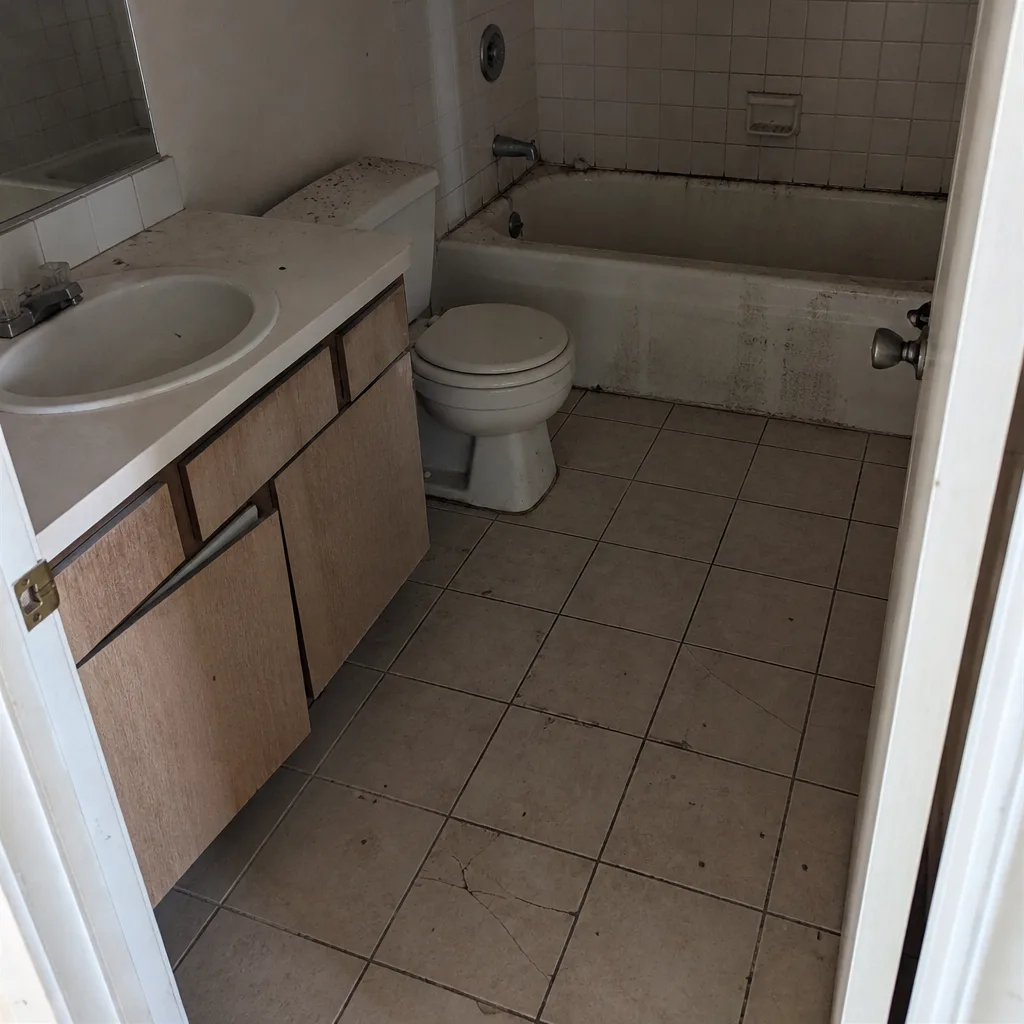 Before
 After
 Before
 After
 Before
 After
Frequently Asked Questions

Corroded galvanized supply lines, usually in homes built before 1985. They’re frequently missed during the initial scope because they’re hidden inside walls, and they show up during demo. The fix runs $2,200 to $6,500 and adds three to five days. Call (888) 325-9386 for a free scope review before your project starts.
Check the pattern and the timing. A single out-of-alignment door is almost always workmanship. Every door in a run showing the same issue is more likely a manufacturing tolerance problem. Small misalignments that correct with hinge adjustment are install issues. Get a written determination of cause before you decide who pays. Call (888) 325-9386 and we’ll walk through it with you.
Not without a written change order. Demo discoveries are the only legitimate reason for a price change on a kitchen remodel, and every one of them should come to you as a fixed price in writing before the crew continues. Verbal “we’ll settle up later” arrangements are where budgets break. Call (888) 325-9386 for a free estimate with a written price.
Substantial completion is the point at which the kitchen is usable for its intended purpose, even if small punch items remain. In Nevada, it typically triggers the warranty clock and the obligation for final payment. If you’re holding final payment over punch items, hold only the itemized disputed amount in writing, not the full amount. Call (888) 325-9386 if you need help untangling a payment dispute.
Yes, when the scope requires it, and every project that needs a permit should show the permit number and inspection results in writing. Electrical panel upgrades, plumbing changes, and structural work all typically require permits and inspection. Call (888) 325-9386 for a free estimate and we’ll tell you upfront which parts of your scope need permitting.
A typical kitchen remodel runs six to ten weeks. A galvanized repipe adds three to five days, an electrical panel upgrade adds two to four, and asbestos abatement adds three to seven. The honest answer is that Henderson homes built before 1985 should plan for one or two demo discoveries in the schedule. Call (888) 325-9386 for a free estimate with a written timeline.
The Bottom Line
Kitchen remodel problems follow a pattern, and the pattern is phase-based. Demo discoveries need a written change order before work continues. Install defects need a documented determination of who pays: workmanship or material. Post-completion failures need a written warranty claim filed inside the coverage window. Get the phase right, and every other decision follows.
The three things that protect a Henderson homeowner across all three phases are a written price before work starts, a written guarantee with clearly stated terms, and dated photos plus written notice for anything you’re disputing. Those three tools resolve more kitchen problems than any phone call. We’ve seen it across kitchens in Green Valley, Whitney Ranch, and Inspirada, and the pattern doesn’t change. Document it, put it in writing, and know the timeline. The rest works itself out.
Written by the team at Mason Remodeling Co Henderson.