Last updated November 18, 2026







Free written scope consultation - allowances, timeline, and change-order rules on paper before a single trade is scheduled
How to Hire a Construction Contractor in Henderson: A Step-by-Step Guide
Nevada’s contractor license database will tell you whether a company is legal. It won’t tell you whether anyone on the crew has ever poured a footing in 108°F heat, or what caliche hardpan does to a standard excavation bid. That gap matters right now. Henderson’s building boom has pulled in crews from across the country who hold Nevada licenses but have never worked desert soil, desert schedules, or desert inspections. This guide walks you through the screening steps that separate a contractor who has actually built here from a licensed stranger with a truck. You’ll learn how Nevada’s license classes work, how to verify a crew before they reach your door, and which five contract clauses decide who pays when the ground surprises you.
Quick Answer
To hire a contractor in Henderson, verify their Nevada license class matches the work (A, B, or C), confirm the license and insurance directly on the state board’s lookup, demand a fixed written price rather than a verbal estimate, and read five contract clauses before signing: scope, change orders, lien waivers, dispute resolution, and warranty. A legal license alone doesn’t prove local experience. Ask how they handle caliche and summer concrete cure times, and require crew identity verification before anyone arrives.
Styles & brands we work with
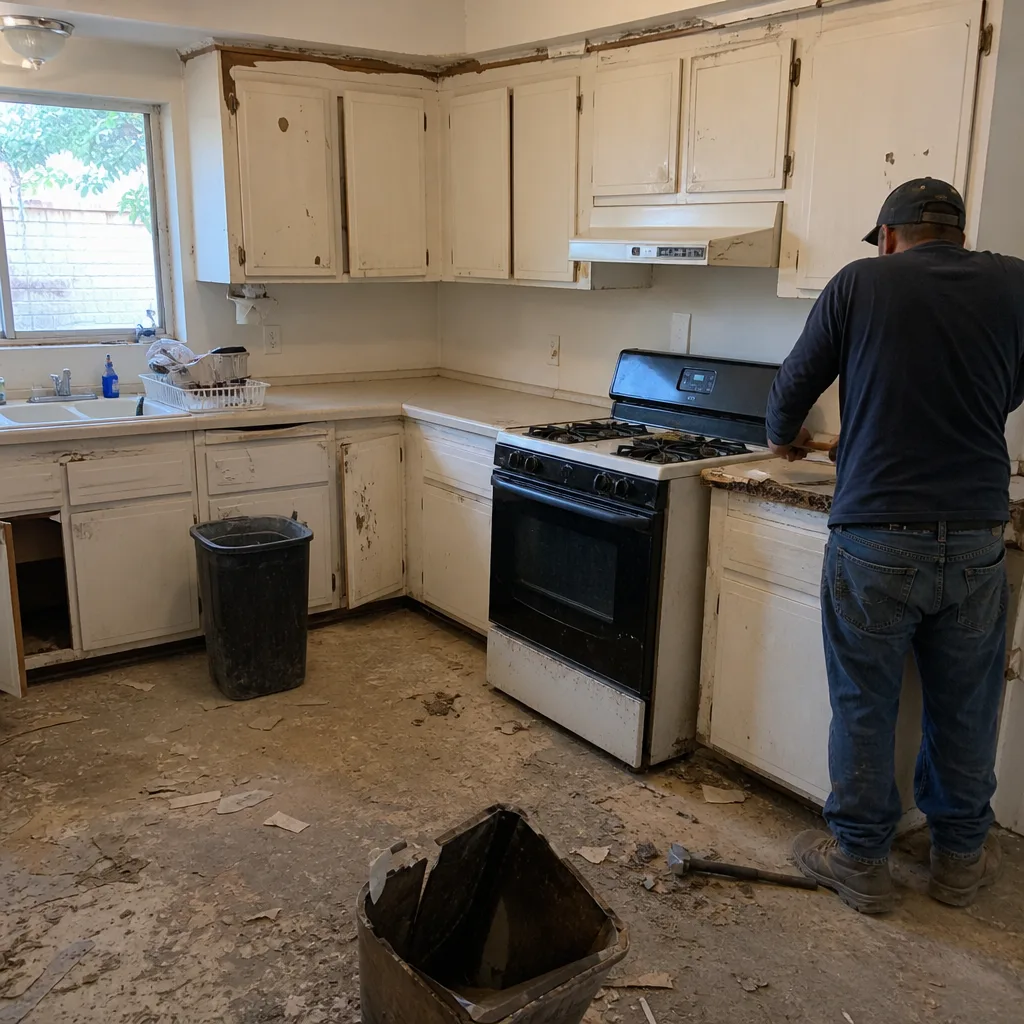
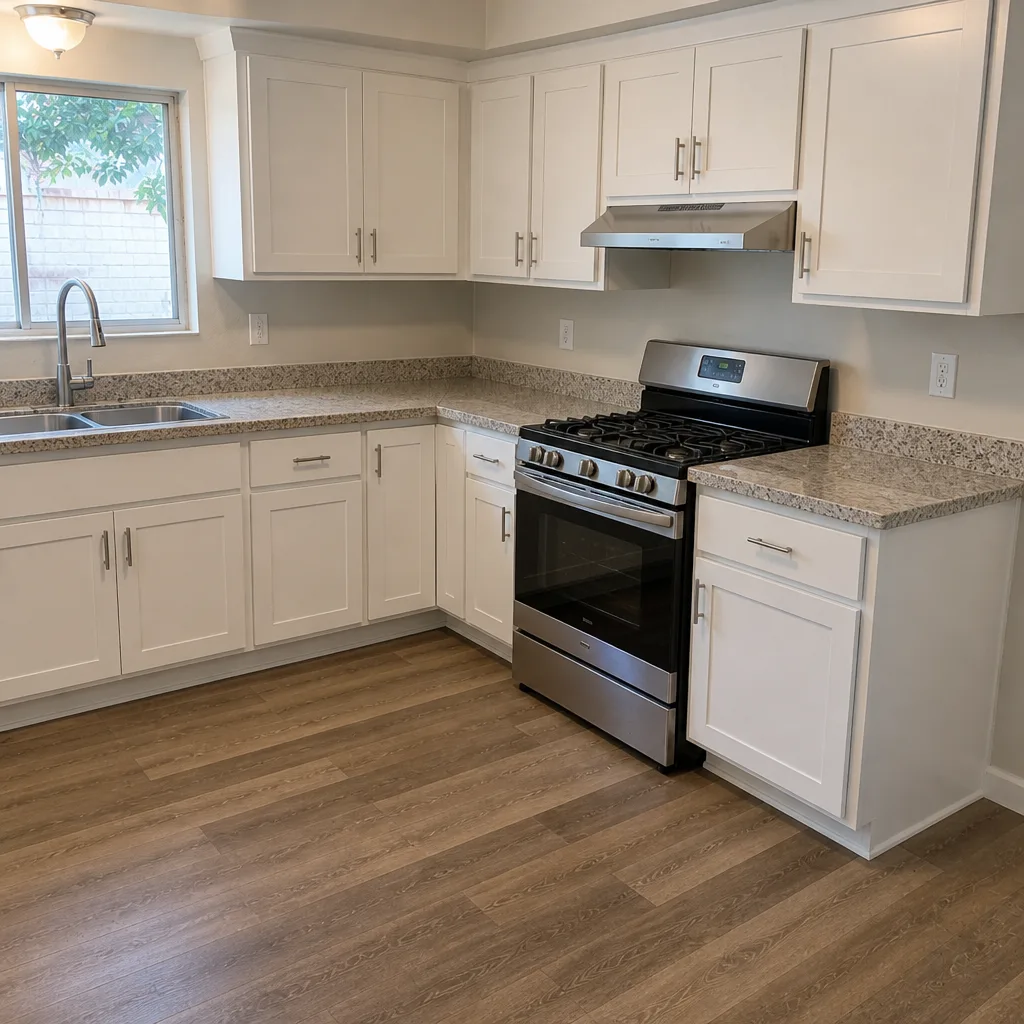
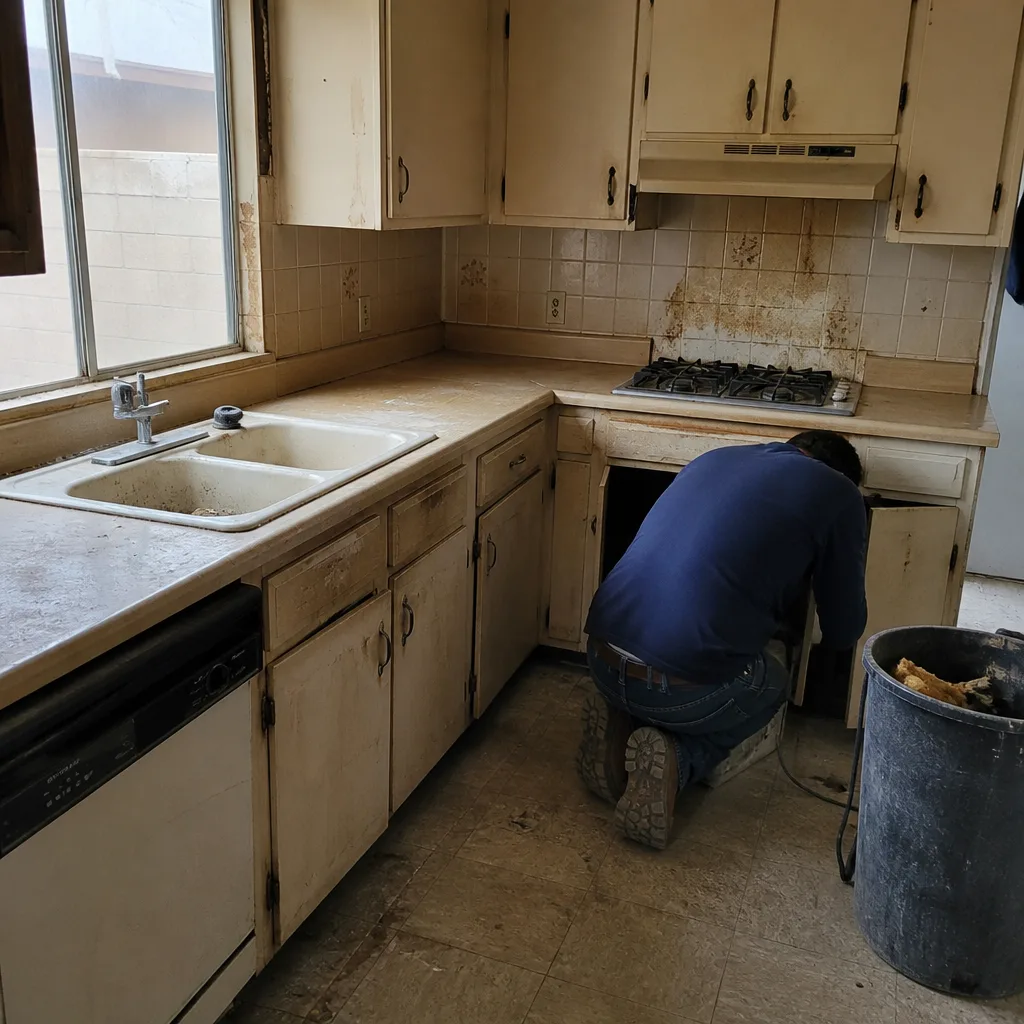
- Kitchen remodeling
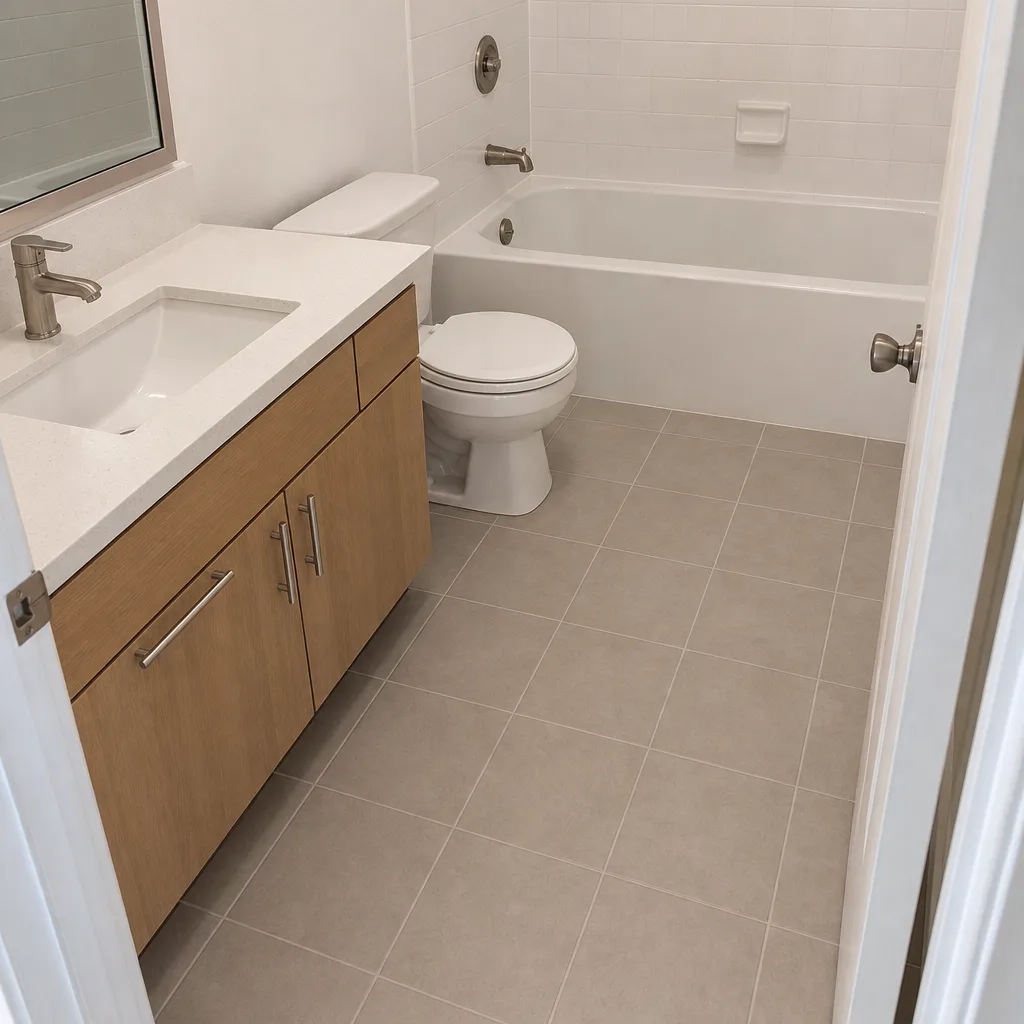
- Bathroom remodeling
- Home additions & ADU
- Roofing
- Windows & doors
- Driveway & pavers
- Fence
Table of Contents
- What Nevada’s A, B, and C License Classes Actually Permit
- How to Verify a Contractor and Their Crew in Henderson
- Preliminary Estimate vs. Proposal vs. Fixed Written Price
- The Five Contract Clauses That Decide Who Pays
- Subcontractor Vetting: Who Is the GC Responsible For?
- Why Henderson Schedules Slip in Summer
- Red Flags That Show Up Before the First Invoice
What Nevada’s A, B, and C License Classes Actually Permit
Nevada classifies contractors three ways, and the difference isn’t cosmetic. Most homeowners assume a “general contractor” can do anything. In Nevada, that’s not accurate, and the gap matters when a bid comes in low.
- Class A (General Engineering): Covers large-scale work like roads, grading, and major site infrastructure. Rare on a residential remodel, but you’ll see it on large lot development.
- Class B (General Building): Covers construction of buildings and structures. A Class B holder can manage a whole project, but here’s the part most people miss: a Class B general contractor cannot legally self-perform all specialty trades. They must hold a specialty license for those trades or subcontract to someone who does.
- Class C (Specialty): Divided into dozens of subcategories, including plumbing (C-1), electrical (C-2), tile (C-54), and drywall (C-19). These licenses are trade-specific. A C-2 electrician can wire your kitchen, but they can’t build the addition around it.
In our experience across Henderson, the most common and expensive confusion happens when a Class B contractor frames, drywalls, and tiles without holding the C-class specialties for those tasks. That work is often done by unlicensed help. When it fails, your recourse shrinks fast.
So before you hire, ask each bidder two questions: What is your license number, and what class does it carry? Then check it yourself. The Nevada State Contractors Board lookup shows the class, the status, and any disciplinary history. Don’t take a photocopy as proof; verify the number directly on the board’s site the same day you sign.
If you’re planning a full renovation, the General Contractor in Henderson page lays out how a properly licensed job should be run from the first walkthrough to the final inspection.
How to Verify a Contractor and Their Crew in Henderson
A license proves the company is legal. It says nothing about the person knocking on your door. That distinction has become more important as out-of-state crews flood Henderson looking for boom work. Identity verification is now a basic screening step, not a courtesy.
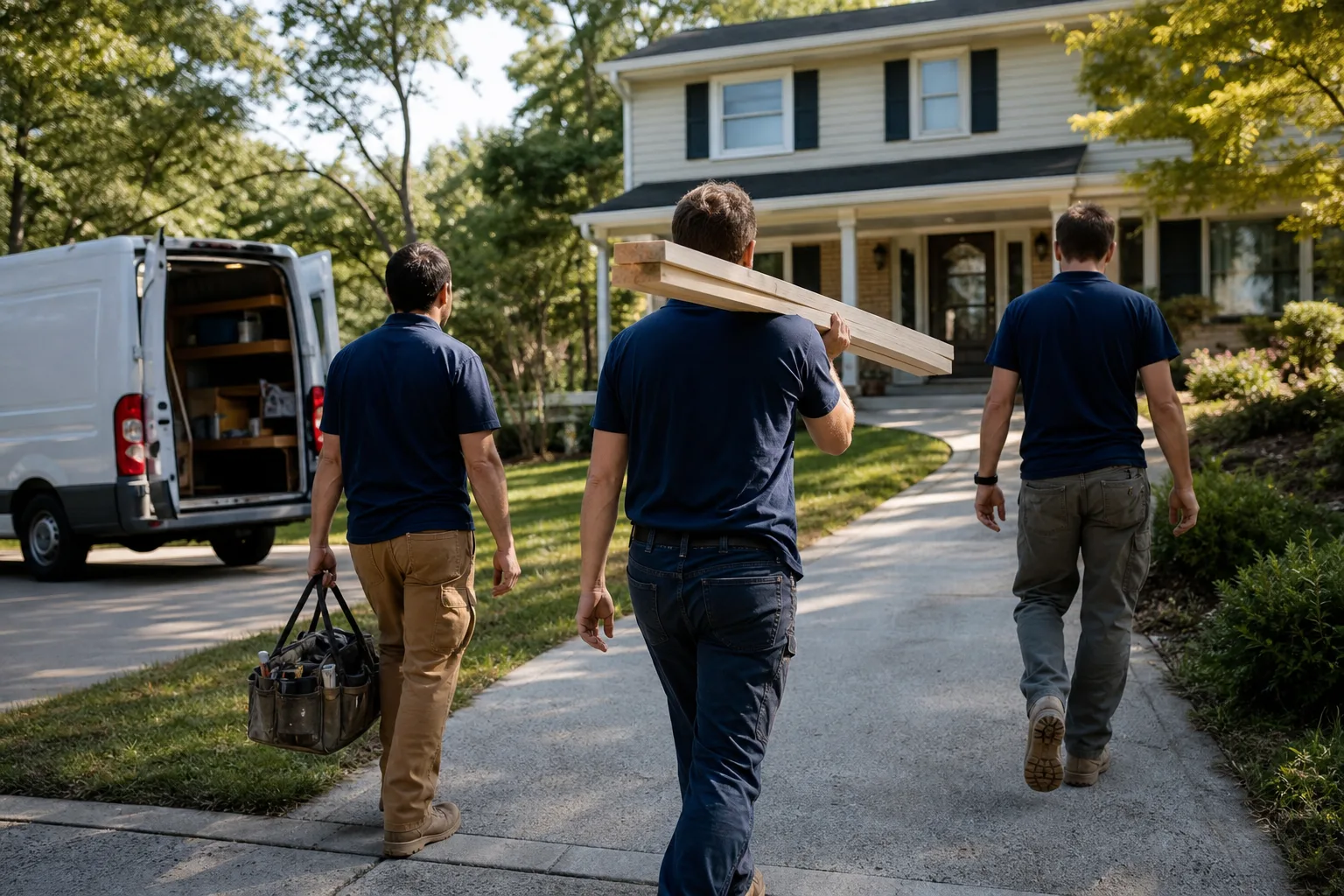
“The Threshold Standard” is one version of what good looks like. It’s a named process: every crew member is background-checked, identity-verified, arrives in a clean marked uniform, shows a photo ID badge at the door, and is introduced to the homeowner by name and photo before the visit. Not every legitimate contractor runs a program with a name, but every legitimate contractor should be able to answer how they screen the people they send. If a company can’t explain its vetting, treat that as the answer.
Here’s a verification script you can use with any contractor, in order:
- “What’s your contractor license number, and what class is it?” Write it down. Look it up on the state board site the same day.
- “Will the people doing the work be your employees or subcontractors?” Note the answer, since it affects your liability (see the subcontractor section below).
- “Will I get the name and photo of the crew leader before they arrive?” A firm with a real vetting process says yes without hesitation.
- “Will they show a photo ID at the door?” Match the face on the badge to the photo you received. This is the ten-second step that catches the rare worst case.
- “Who do I call if something goes wrong on the crew side, and is that a live person?” A working number with a human on the other end is part of the screening, not a bonus.
Run this script before you sign, not after. Contractors who can’t produce answers up front usually can’t produce them later either.
Preliminary Estimate vs. Proposal vs. Fixed Written Price
These three words get used interchangeably. They shouldn’t, because they represent three different levels of commitment, and the difference is where budgets go to die.
- Preliminary estimate is a ballpark. Often a range, sometimes over email, sometimes verbal. It is not a promise. Useful for early planning, useless for signing anything. If a contractor gives you a number over the phone and you show it to a lender, you have nothing.
- Proposal is more detailed: scope, materials, a price range. But a proposal often includes language like “subject to site conditions” or “final pricing after demo.” A proposal is a step toward a contract, not a fixed price.
- Fixed written price is the number you sign against. It states scope, line items, and a firm figure, with change orders only for work the owner authorizes in writing. This is the document you must have in hand before signing.
In Henderson, the trap comes from soil and schedule, not from vagueness. A site with heavy caliche can turn a modest excavation into a several-day blade-and-hammer job, and the estimate that assumed easy digging is where a “subject to site conditions” clause bites. Ask directly: did you walk the site, and is your number fixed even if the ground is harder than expected? If the answer is no, you’re looking at a range, not a price.
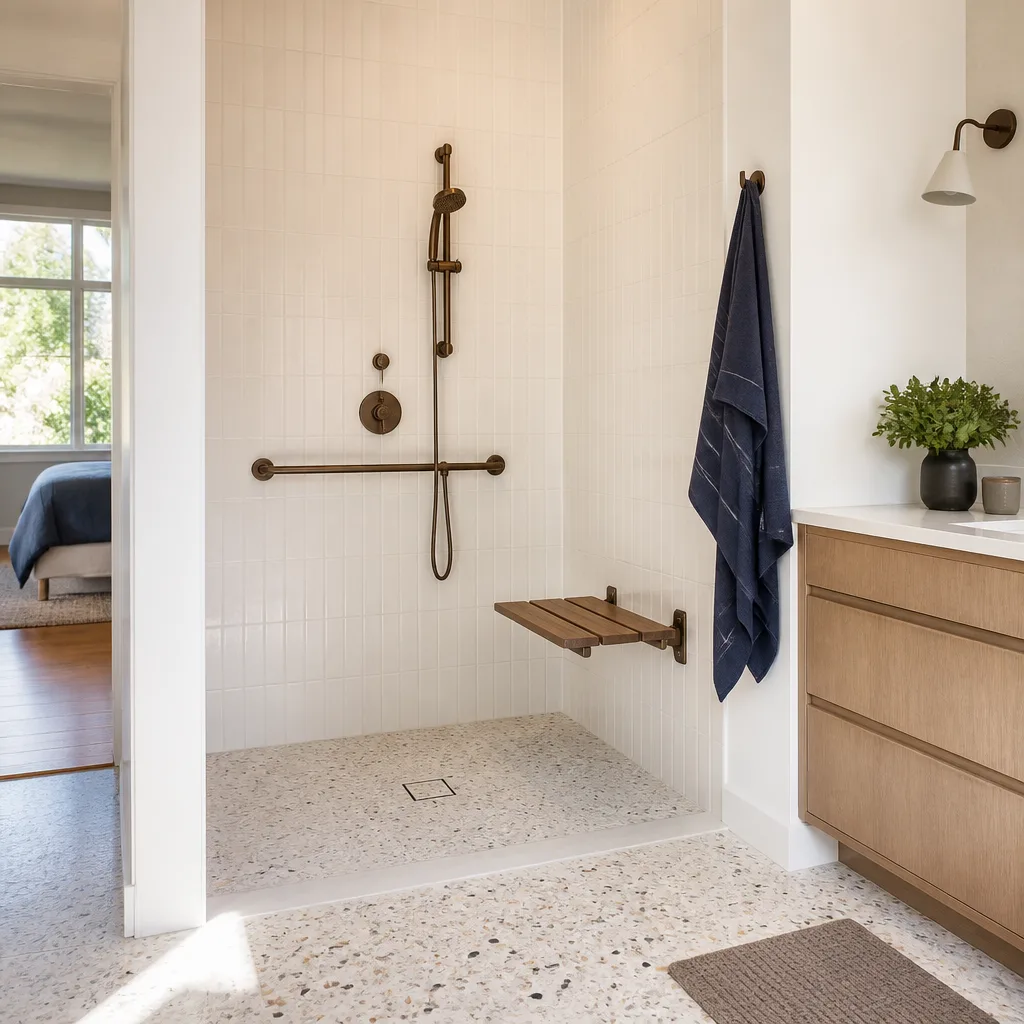
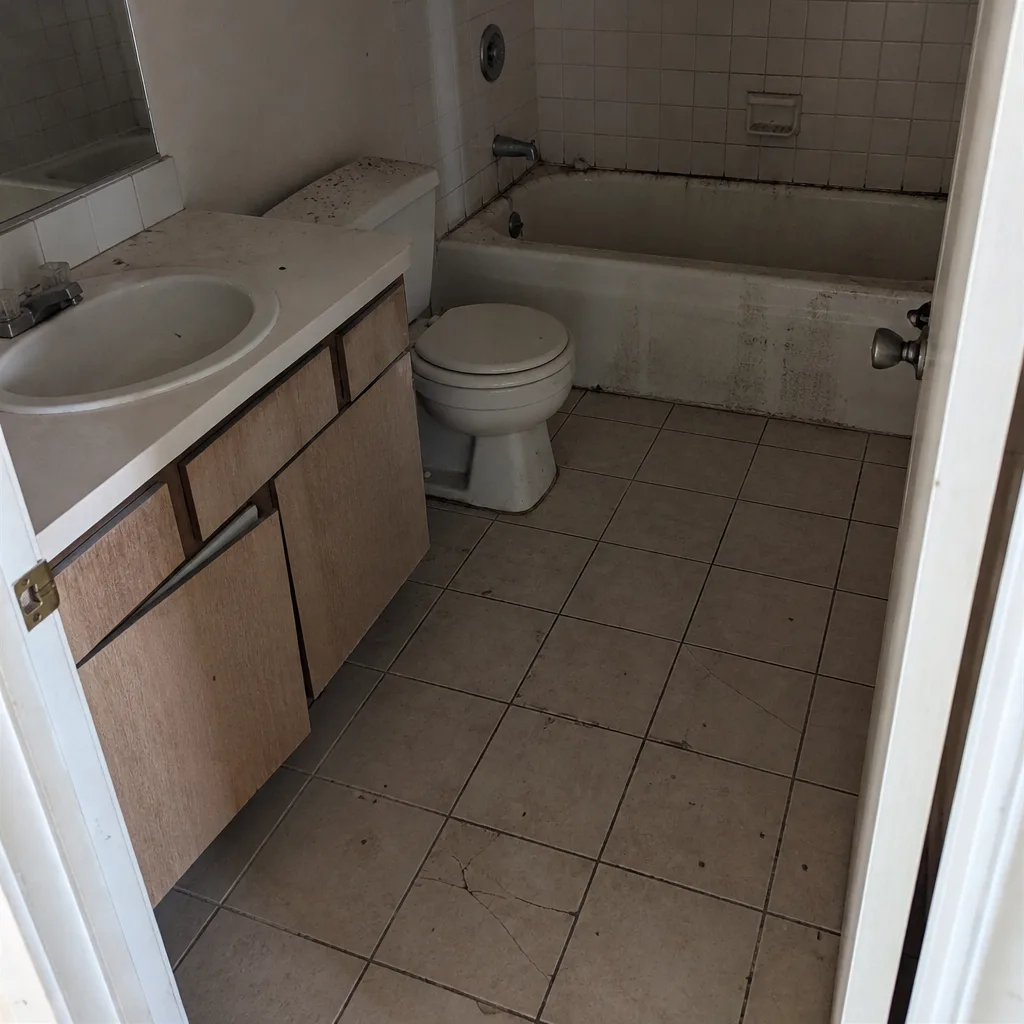
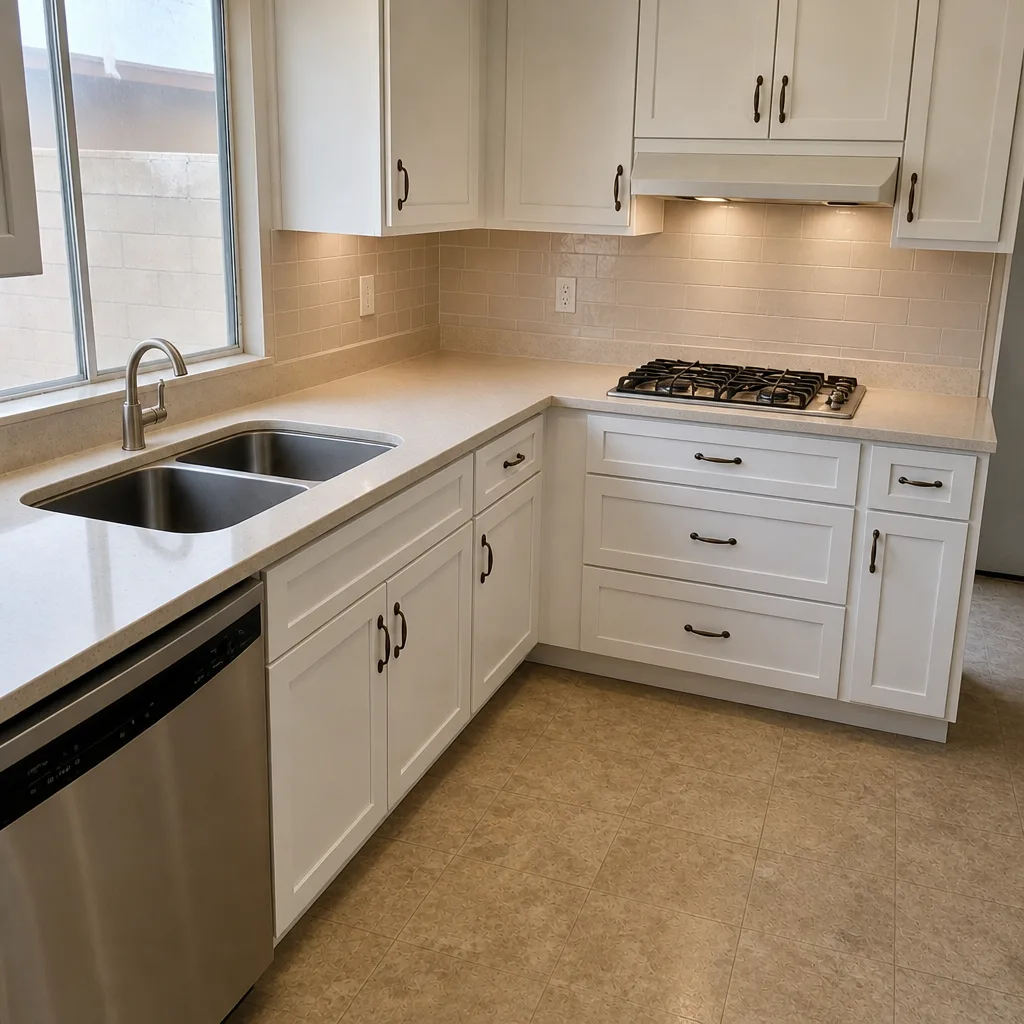
For kitchen and bath projects in particular, line-item pricing matters more than a lump sum. The Kitchen Remodeling in Henderson and Bathroom Remodeling in Henderson pages show how a properly scoped, line-itemed project breaks down, from cabinetry (KraftMaid, Wellborn) to fixtures (Kohler, Moen) and hardscaping materials like Belgard or Techo-Bloc on exterior jobs. A contractor who can’t itemize can’t price you fairly.
The Five Contract Clauses That Decide Who Pays
Every construction contract in Henderson should contain five clauses. Missing or vague language in any one of them hands the risk to you. Read them in this order.
- Scope definition. What’s included, what’s explicitly excluded, and what materials are specified by brand and model. “Tile allowance” without a dollar figure is an invitation to upgrade charges later.
- Change-order authorization. The rules for any work outside the original scope. It should say clearly that no change proceeds without a written, signed change order stating the exact cost and schedule impact. Verbal change orders are how budgets drift.
- Lien waiver timing. Nevada allows subcontractors and suppliers to file a mechanics lien against your property if they aren’t paid, even if you paid the general contractor. Require conditional lien waivers with each progress payment and a final unconditional waiver at completion. Read when the waiver is due, not just whether it exists.
- Dispute resolution. Does the contract require arbitration, mediation, or litigation, and where? A clause that routes disputes to an out-of-state venue is a problem for a Henderson homeowner. Know your forum before you sign.
- Warranty terms. What’s covered, for how long, and what’s excluded. A phrase like “backed by our guarantee” is marketing. A line that says “365 days from the completion date” is a contract term. Demand the specific length and the specific exclusions in writing.
Read all five before you sign anything, and don’t accept a “standard contract” answer if a clause is missing. A firm with a real warranty program will hand you the terms in writing without being asked twice.
Subcontractor Vetting: Who Is the GC Responsible For?
When a general contractor hires subcontractors, the GC is legally responsible for the work those subs perform under the license rules, and your contract should say so. But “responsible on paper” and “vetted in practice” are different things, and you want both.
Ask these questions before the first crew arrives:
- Are your subcontractors licensed with the correct Nevada C-class specialty for their trade?
- Do you carry general liability and workers’ comp coverage that extends to subs working on my property?
- What happens if an unlicensed sub causes damage here? Whose insurance responds?
- Are subs subject to the same identity verification as your own crews?
The risk isn’t abstract. If an unlicensed sub damages your home and their coverage doesn’t apply, your homeowner policy may be the last payer standing, and the premium hit follows you. A licensed GC with a proper vetting process filters that risk before it reaches your driveway. If a company can’t name their subs or confirm their coverage, that’s your answer.
Why Henderson Schedules Slip in Summer
A schedule that works in March can wreck a June project here. Concrete placed in 105°F-plus heat cures too fast and can crack unless the pour is scheduled early, covered, and cured deliberately. Exterior work on west-facing walls can be deferred to the morning. Roofing, if it’s part of the job, is scheduled around heat advisories and afternoon winds. A crew from out of state that hasn’t built here often learns this the expensive way, on your job.
So ask the scheduling question directly: how do you adjust the timeline for summer heat and monsoon season? A local contractor answers with specifics, like early pours and staged exterior work. A licensed stranger answers with a shrug. That single question tells you a lot about how many summers the crew has actually spent here. If your project involves a roof, ask how they sequence it around heat and wind, and ask what roofing system they use (GAF, CertainTeed, and Owens Corning are the professional-grade names you’ll see).
Red Flags That Show Up Before the First Invoice
Most of these appear between the first call and the signed contract. None of them alone means “walk away.” Two or more together is a strong signal.
- A verbal-only price. If it isn’t written and itemized, it isn’t a price. It’s a conversation.
- A license number that won’t verify. Check the state board yourself. A “pending” number is not a license.
- No answer to the crew verification question. Legitimate firms know exactly who they send.
- An unlicensed sub doing specialty work. Electrical, plumbing, and tile carry C-class requirements for a reason.
- A warranty with no term. “Backed by our guarantee” isn’t a contract. Ask for the days and exclusions.
- Pressure to sign today. Good contractors can wait a week. Any “only two slots left” language is a sales tactic, not a schedule.
- A contract with no lien waiver clause. In Nevada, this omission is where a homeowner gets stuck paying twice.
Pair a verified license with a verified crew and a fixed written price, and you’ve filtered most of the risk out before the tools come off the truck.
Common Mistakes to Avoid
- Treating a license as proof of local experience. A Nevada license confirms legal status, not desert know-how. The crew that’s never dug caliche will either charge you for discovery or ask for a change order the day they hit it.
- Accepting a phone estimate as a price. Verbal numbers grow on the final bill. Insist on a fixed written price with line items before any work starts.
- Skipping the crew identity question. If a company can’t say who’s coming and how you’ll recognize them, you’ve lost your best safety check. Match the badge photo at the door.
- Ignoring the lien waiver clause. Nevada’s lien laws are strictly enforced. Paying your GC and still facing a sub’s lien is a real scenario, and the waiver schedule prevents it.
- Not asking about summer sequencing. Concrete, exterior work, and roofing all shift in Henderson’s heat. A schedule that ignores this will slip, and the slip lands on your calendar, not theirs.
- Accepting “backed by our guarantee” without terms. Ask for the exact coverage length and the exclusions in writing. Vague warranties are unenforceable in practice.
- Letting a contractor self-perform a trade they aren’t licensed for. Ask which trades are handled by C-class specialty license holders, and get the answer in the contract.
See the difference
 Before
 After
 Before
 After
 Before
 After
When to Call a Professional
Some projects are homeowner-appropriate and some aren’t. Repairing a fence, repainting a hallway, swapping a faucet: doable and reasonable. Anything involving load-bearing changes, moving plumbing or gas lines, new electrical circuits, structural framing, permits, or a whole-kitchen or whole-bath remake is a professional job, and it’s where a bad hire can cost more than a good one. The same is true for any remodel where you’ll need an inspection to close out the permit, or where a mistake would be hidden behind drywall for years. Given Henderson’s hot, dry climate and demanding inspection schedule, it’s fair to be cautious. Mason Remodeling Co Henderson offers free estimates in Henderson – call (888) 325-9386 when you want a fixed written price before you commit. For whole-home projects, the Mason Remodeling Co Henderson home page lays out how the process runs.
Frequently Asked Questions
Yes. Always verify the license number on the Nevada State Contractors Board lookup yourself, even if a contractor shows you a copy. The board’s database shows the license class, current status, and any disciplinary history. Verify the same day you sign, since a license can lapse between your first call and your contract.
A Class B license lets a contractor build buildings and manage whole projects, but they can’t legally self-perform every specialty trade. Specialty work like electrical, plumbing, tile, and drywall requires a matching Class C license held by the person doing the work. If a Class B contractor says they’ll handle it all, ask which C-class specialty license applies to each trade, and who holds it. Call (888) 325-9386 for a free estimate where every trade is properly licensed.
Ask the contractor, before signing, whether you’ll receive the crew leader’s name and photo in advance and whether each worker arrives in a uniform and shows a photo ID badge at the door. The Threshold Standard does exactly this; every crew member is background-checked and identity-verified, and homeowners get the name and photo before the visit. Match the badge face to the photo you received. If a contractor can’t answer how they vet crews, that’s your screening result.
A fixed written price shouldn’t change unless you authorize a written change order for new work. The best protection is to ask, before signing, whether the price is fixed even if site conditions are harder than expected (heavier caliche, longer demo, hidden plumbing). A firm with no-hassle upfront pricing delivers the number in writing before any tool is unpacked, and unexpected conditions become their problem, not a surprise invoice on yours. Call (888) 325-9386 for a free estimate in writing.
Yes. Require conditional lien waivers with each progress payment and a final unconditional lien waiver at completion. Nevada’s mechanics lien law protects subs and suppliers even if you’ve paid the general contractor, so the waiver schedule in your contract is the thing that protects you from paying twice. Make the schedule part of the contract before signing. If a contract has no lien waiver clause, ask why.
No. A verbal number is a preliminary estimate, not a price you can sign against or show to a lender. For any project that needs permits or inspection, you want a fixed written price with line items before work begins. Kitchen and bathroom projects live or die by line-item pricing. Get the written number first, then compare. Call (888) 325-9386 to schedule a free written estimate.
The Bottom Line
Hiring a contractor in Henderson comes down to three things most homeowners don’t check, layered on top of the standard advice. First, verify the license class against the actual work, since a Class B license doesn’t cover every specialty trade. Second, screen the crew, not just the company, because the person who shows up is the one who matters to your safety. Third, demand a fixed written price with all five contract clauses in place: scope, change orders, lien waivers, dispute resolution, and warranty terms with an actual number of days. A license proves the contractor is legal. A verified crew and a fixed written price prove the contractor is safe to hire. Mason Remodeling Co Henderson provides written pricing on every project and stands behind its work with a 365-Day Done Right Promise and a free return visit if a repair or installation fails. Call (888) 325-9386 for a free estimate, with a live person answering every call, day or night.
Written by the team at Mason Remodeling Co Henderson.